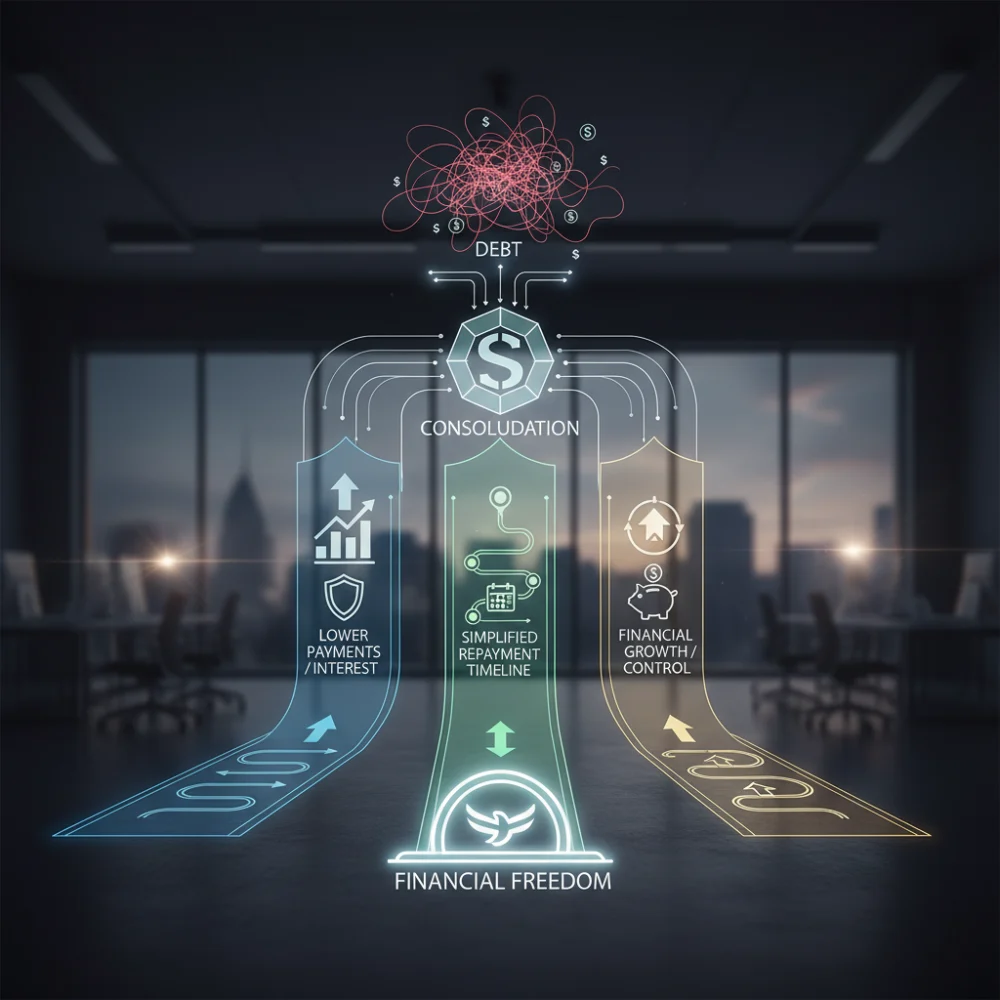







Living with significant debt can feel like carrying a heavy weight that never lightens. Whether it is student loans, credit card balances, or medical bills, the stress of owing money affects not just your wallet, but your mental health and future aspirations. Many people attempt to pay off debt haphazardly, throwing random amounts of money at different accounts without a clear strategy. However, to truly gain financial freedom, you need to implement debt reduction plans that work step by step. A structured approach transforms an overwhelming mountain of debt into a manageable series of hill climbs.
The primary reason most people fail to eliminate debt is the lack of a cohesive plan. Paying only the minimum balance due is a trap designed by creditors to keep you in debt for decades. By understanding the mechanics of interest rates and payment hierarchies, you can take control of your financial narrative. This article will guide you through the most effective strategies, helping you choose the path that aligns best with your financial situation and psychological needs.
Step 1: The Financial Audit
Before you can attack your debt, you must know exactly what you are up against. This requires a brutally honest financial audit. Gather all your financial statements, login credentials, and bills. Create a comprehensive spreadsheet or list that includes the name of the creditor, the total balance owed, the current interest rate (APR), and the minimum monthly payment. Seeing these numbers in black and white can be intimidating, but it is the critical first step in any debt reduction plan.
Once you have your list, calculate your total debt load. This figure serves as your baseline. Next, review your monthly income and essential expenses. You need to determine exactly how much disposable income you have available to allocate toward debt repayment. If your expenses exceed your income, your first step isn’t repayment—it is budget correction. You must stop the bleeding before you can heal the wound.
Step 2: Stop Creating New Debt
It is impossible to get out of a hole while you are still digging. To make any debt reduction plan work, you must commit to a cash-only or debit-only lifestyle for the foreseeable future. Freeze your credit cards—literally, in a block of ice, if necessary—or cut them up. Remove saved credit card information from online shopping portals to reduce the temptation of impulse buying. This behavioral shift is essential for the success of the subsequent steps.
Step 3: Build a Mini Emergency Fund
It might seem counterintuitive to save money while you owe money, but an emergency fund is a vital buffer. Without a safety net, the moment your car breaks down or a medical issue arises, you will be forced to use credit again, undoing your hard work. Aim to save a small, starter emergency fund—typically around $1,000 to $2,000—before aggressively attacking your debt. This fund provides peace of mind and keeps your debt reduction plan on track when life throws a curveball.
Step 4: Choose Your Strategy
There are two primary schools of thought regarding debt payoff: the Debt Snowball and the Debt Avalanche. Both are effective debt reduction plans that work, but they appeal to different motivations. Choosing the right one for you depends on whether you are motivated more by mathematics or psychology.
- The Debt Snowball Method: This method focuses on psychological wins. You list your debts from the smallest balance to the largest balance, ignoring interest rates. You pay minimums on everything except the smallest debt, which you attack with every extra dollar you have. When that debt is gone, you roll that payment amount into the next smallest debt. The quick victories build momentum and motivation.
- The Debt Avalanche Method: This is the mathematically superior method. You list debts from the highest interest rate to the lowest. You attack the debt with the highest APR first. By eliminating high-interest debt sooner, you save more money over the long term and get out of debt slightly faster, though it may take longer to see the first account close completely.
Step 5: Optimize Your Budget
To accelerate your debt reduction, you need to maximize the gap between your income and your expenses. This involves a two-pronged approach: cutting costs and increasing income. Review your bank statements for recurring subscriptions you do not use, dine out less frequently, and look for cheaper alternatives for insurance and utilities. Every dollar saved is a dollar that fights debt.
Simultaneously, look for ways to increase your income. This could involve picking up a side hustle, freelancing, selling unused items around the house, or asking for overtime at work. Even a temporary increase in income can drastically shorten your debt repayment timeline. Remember, this intensity is temporary; you are working hard now to buy your freedom later.
Step 6: Lower Your Interest Rates
While you are paying down principal, high interest rates are your enemy. Call your credit card companies and ask for a rate reduction. If you have a good payment history, they may be willing to lower your APR to keep you as a customer. Alternatively, consider a balance transfer credit card with a 0% introductory APR period. This allows every dollar of your payment to go toward the principal balance rather than interest, provided you can pay it off before the promotional period ends.
Step 7: Debt Consolidation Loans
For some, managing multiple payments is the biggest hurdle. A debt consolidation loan involves taking out a single personal loan to pay off all your smaller debts. This leaves you with one monthly payment, often at a lower interest rate than your credit cards. However, this strategy only works if you have addressed the spending habits that got you into debt in the first place. Otherwise, you risk running up the credit card balances again while still owing the consolidation loan.
Step 8: The Power of Automation
Decision fatigue is real. To ensure your debt reduction plan works step by step without constant willpower, automate your payments. Set up automatic transfers for your minimum payments to avoid late fees. If you have a fixed amount for your extra debt payment, automate that as well. Treating debt repayment like a mandatory bill rather than an optional choice ensures consistency.
Step 9: Monitor and Celebrate Milestones
Debt repayment is a marathon, not a sprint. It is crucial to track your progress to stay motivated. Update your spreadsheet monthly and watch the total balance decrease. Set milestones—such as paying off 25% of your total debt or clearing a specific card—and celebrate these victories with non-monetary rewards. Recognizing your hard work reinforces the positive behavior.
Conclusion: Reclaiming Your Future
Implementing debt reduction plans that work step by step requires discipline, patience, and a willingness to change your lifestyle. However, the reward is worth the struggle. Becoming debt-free opens the door to wealth building, investing, and living a life not dictated by past financial mistakes. Start today by listing your debts, choosing your method, and taking that first step toward financial independence.