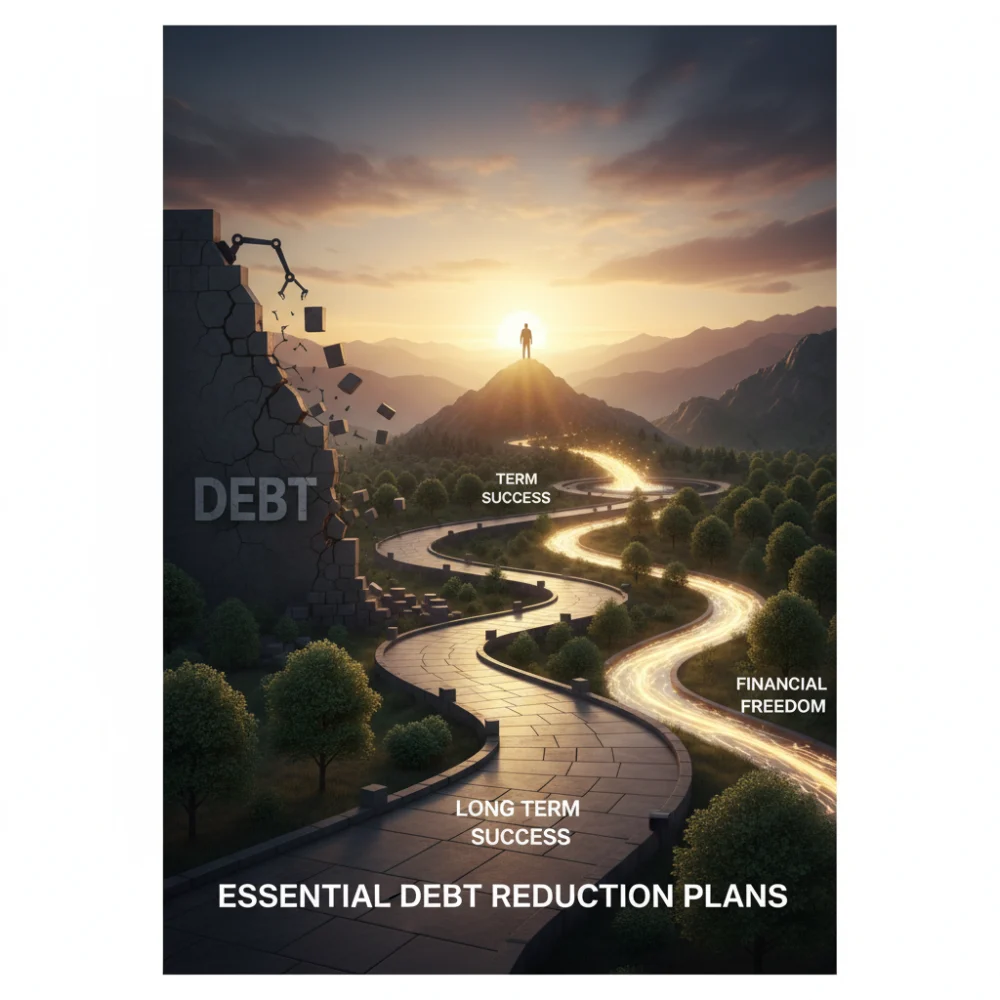







In today’s fast-paced consumer economy, falling into a financial pitfall is easier than ever. The concept of a debt trap is terrifyingly simple: it is a situation where you are forced to borrow new money just to pay off existing debts, creating a vicious cycle that is incredibly difficult to break. Understanding how to avoid debt traps is not just about saving money; it is about preserving your mental health, securing your future, and maintaining control over your life choices. This article digs deep into the mechanisms of debt and offers authoritative advice on staying in the green.
Understanding the Anatomy of a Debt Trap
A debt trap often starts innocuously. It might begin with a credit card purchase you plan to pay off next month, or a small payday loan to cover an emergency car repair. However, the trap snaps shut when high-interest rates and fees accumulate faster than your ability to repay the principal amount. Before you know it, your monthly payments are only covering the interest, leaving the original debt untouched. This stagnation is the hallmark of a financial trap, turning temporary relief into a long-term burden.
The psychological toll of this cycle cannot be overstated. When a significant portion of your income is earmarked for debt repayment immediately after payday, it leads to stress, anxiety, and a feeling of hopelessness. This emotional burden often leads to poor financial decision-making, such as ‘retail therapy’ or ignoring bills, which only exacerbates the problem. Recognizing this psychological pattern is the first step in understanding why you should avoid debt traps at all costs.
Common Triggers and Red Flags
To avoid the trap, you must first identify the bait. One of the most common culprits is the payday loan. These short-term, high-interest loans are designed to bridge the gap between paychecks but often come with Annual Percentage Rates (APRs) reaching triple digits. Borrowers frequently find themselves taking out a second loan to pay off the first, instantly initiating the cycle of debt.
Another major trigger is the misuse of credit cards, specifically the habit of making only the minimum monthly payment. Credit card issuers structure minimum payments to keep you in debt for as long as possible. By paying only the minimum, you are essentially servicing the interest while the principal balance remains largely unchanged. Over time, compounding interest can double or triple the cost of your original purchase.
Why You Must Prioritize Debt Avoidance
Avoiding debt traps is crucial for your long-term financial health. Excessive debt destroys your credit score, which acts as your financial report card. A low credit score can prevent you from renting an apartment, buying a home, securing a car loan, or even getting certain jobs. By falling into a debt trap, you are effectively limiting your future opportunities and freedom of movement.
Furthermore, the opportunity cost of debt is staggering. Money spent on high-interest payments is money that cannot be invested in your retirement, your children’s education, or your own personal growth. The power of compound interest can work for you or against you; in a debt trap, it works aggressively against you, eroding your wealth potential with every passing month.
Actionable Strategies: How to Avoid Debt Traps
The most effective defense against debt is a robust budget. You cannot manage what you do not measure. Adopting a budgeting framework, such as the 50/30/20 rule (50% needs, 30% wants, 20% savings/debt repayment), ensures that you live within your means. This discipline prevents the reliance on credit for daily expenses, which is a primary entry point into the debt cycle.
Building an emergency fund is another non-negotiable strategy. Life is unpredictable; cars break down, medical emergencies happen, and jobs are lost. Without a cash cushion typically worth three to six months of living expenses, you are one crisis away from needing a high-interest loan. An emergency fund acts as a financial shock absorber, keeping you from falling into the hands of predatory lenders.
Financial literacy plays a pivotal role in avoidance. You must read the fine print before signing any financial agreement. Understanding terms like APR, origination fees, and prepayment penalties is essential. If a lender is not transparent about their fees or if the deal sounds too good to be true, it is likely a trap. Educating yourself empowers you to say no to bad deals.
Escaping the Trap: If You Are Already In Deep
If you are already struggling, do not panic; there is a way out. Two popular strategies are the Snowball Method and the Avalanche Method. The Snowball Method involves paying off your smallest debts first to build psychological momentum. Conversely, the Avalanche Method focuses on paying off debts with the highest interest rates first to save money mathematically over the long run. Choosing the method that aligns with your personality is key to sticking with the plan.
Consolidation can also be a viable tool, provided it is used correctly. Debt consolidation involves taking out a single loan with a lower interest rate to pay off multiple high-interest debts. This simplifies your monthly payments and reduces interest costs. However, this only works if you address the spending habits that caused the debt in the first place; otherwise, you risk running up new balances on the cleared accounts.
The Role of Lifestyle Inflation
One subtle trap is lifestyle inflation, where your spending increases as your income rises. Instead of using a raise or bonus to pay down debt or save, many people upgrade their cars or move to expensive apartments. To avoid debt traps, it is vital to maintain a modest lifestyle even as your earnings grow, widening the gap between income and expenses to fuel your savings.
Finally, do not hesitate to seek professional help. Non-profit credit counseling agencies can help you create a debt management plan (DMP). Unlike predatory debt settlement companies, these non-profits work with creditors to lower interest rates and waive fees, offering a structured path out of the trap without ruining your credit reputation.
In conclusion, the question of ‘why you should and how to avoid debt traps’ is answered by the desire for freedom. Debt is a form of bondage that restricts your choices and drains your vitality. By building an emergency fund, budgeting strictly, avoiding predatory loans, and maintaining financial vigilance, you can bypass these pitfalls and build a secure, prosperous future.