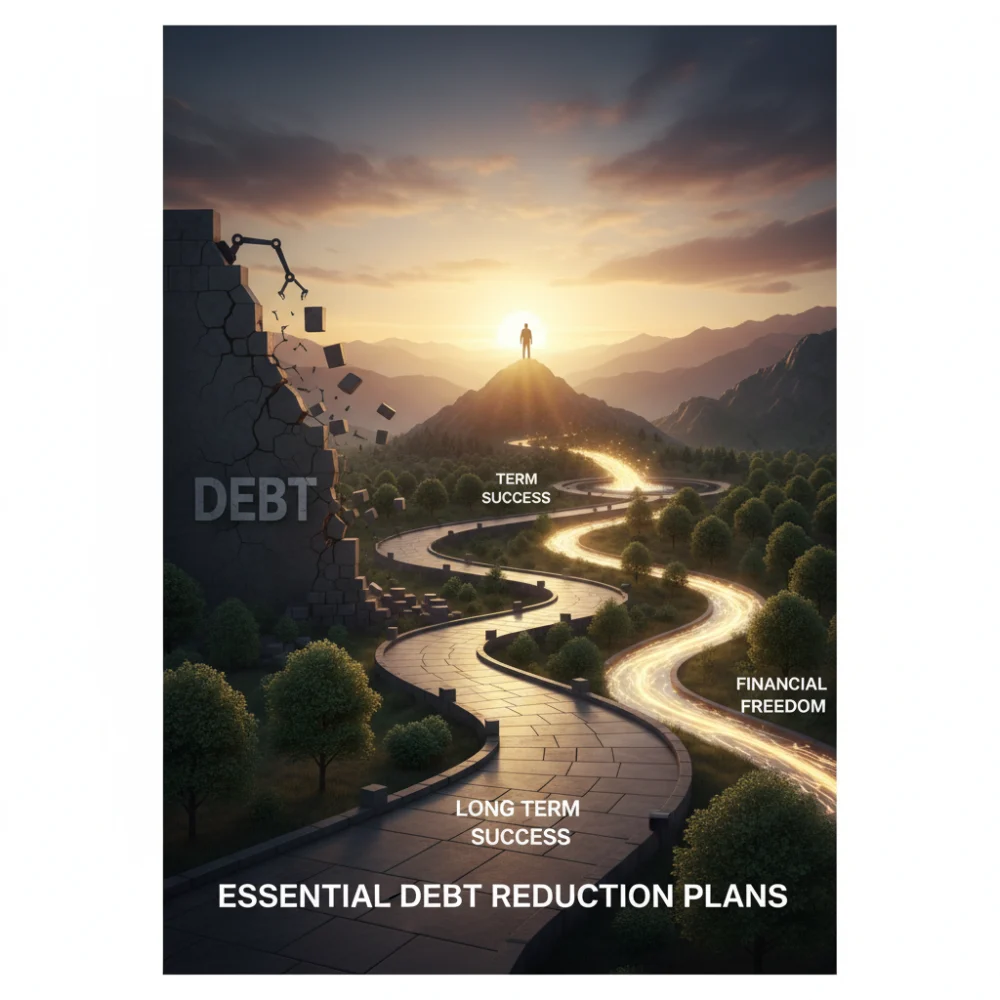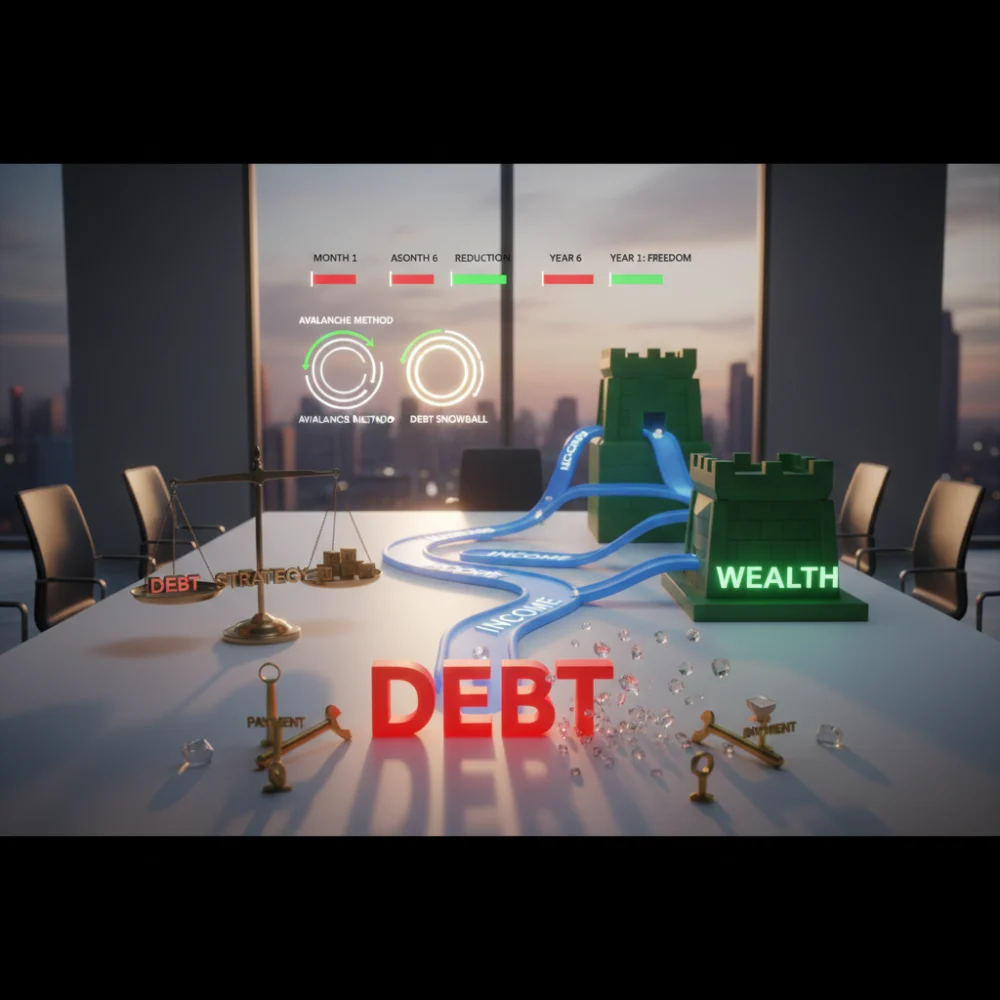






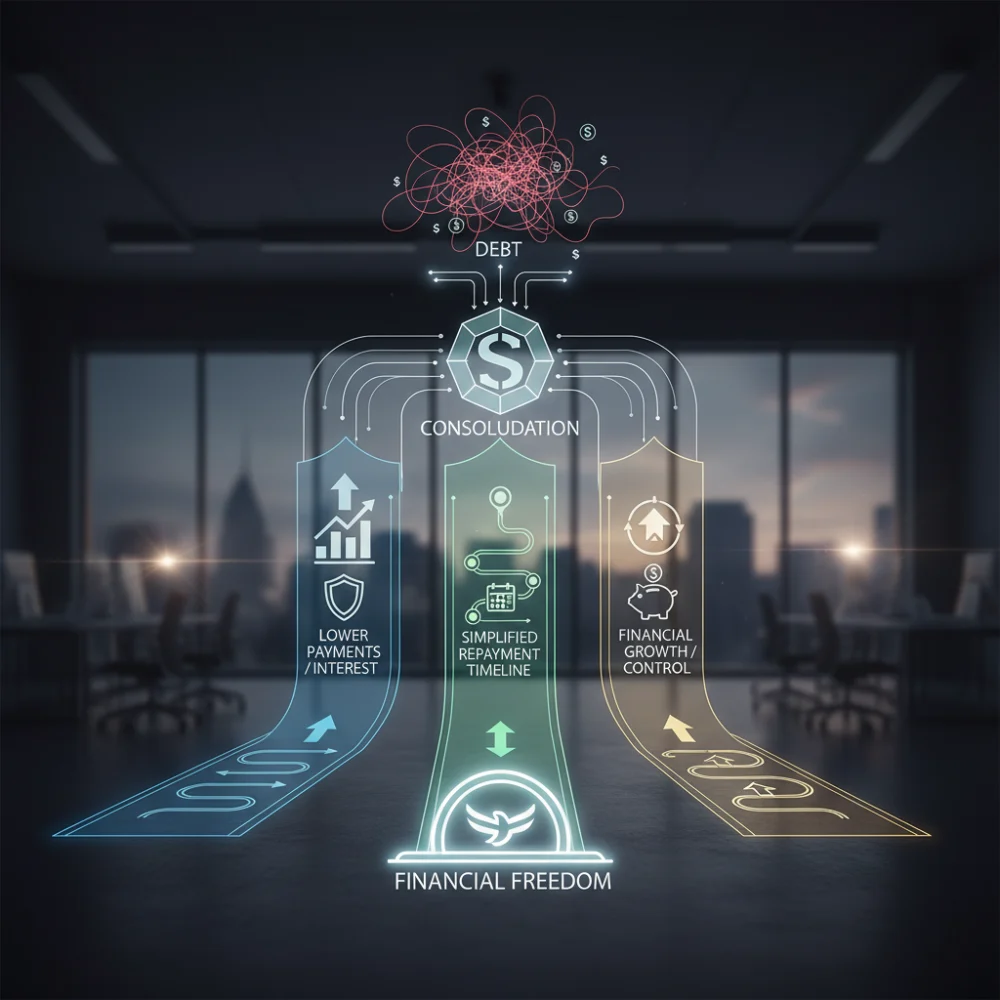
Managing multiple streams of debt can feel like trying to keep several plates spinning at once. Between varying due dates, fluctuating interest rates, and different minimum payment requirements, it is easy to feel overwhelmed. This is where the concept of debt consolidation comes into play. It is not merely a financial product; it is a strategic maneuver designed to simplify your financial life. By understanding why you should consolidate debt and applying a structured approach, you can turn a chaotic financial situation into a manageable path toward freedom.
At its core, debt consolidation involves taking out a new loan to pay off multiple existing debts. Ideally, this new loan comes with more favorable terms, such as a lower interest rate or a lower monthly payment. However, simply moving money around is not enough to solve underlying financial issues. To truly benefit, one must adopt a comprehensive strategy we call the Wisely Framework. This framework ensures that consolidation serves as a ladder out of debt, rather than a shovel digging a deeper hole.
The Primary Incentive: Reducing the Cost of Borrowing
The most compelling reason to consider consolidation is the potential for significant savings on interest. Credit cards often carry high annual percentage rates (APRs), sometimes exceeding 20% or even 25%. If you carry a balance month-to-month, a large portion of your payment goes strictly toward interest, barely touching the principal. By consolidating these high-interest debts into a single personal loan or a balance transfer card with a lower rate, you can save hundreds or even thousands of dollars over the life of the loan.
Furthermore, a lower interest rate means that more of your monthly payment goes directly toward reducing the principal balance. This accelerates the payoff timeline, allowing you to become debt-free sooner than you would have by making minimum payments on multiple high-interest accounts. This mathematical advantage is the cornerstone of the Wisely Framework, turning the mechanics of compound interest in your favor rather than against you.
Psychological Relief and Simplified Management
Beyond the math, there is a profound psychological benefit to consolidation. The mental load of tracking five or six different payment dates can lead to decision fatigue and anxiety. Missing a single payment due to an oversight can result in late fees and damage to your credit score. Consolidating streamlines this chaos into one single monthly payment. This simplification reduces stress and makes budgeting significantly easier, freeing up mental energy to focus on income generation or savings goals.
The Wisely Framework: Step 1 – The Financial Audit
To consolidate debt wisely, you must first perform a rigorous financial audit. This involves listing every single debt you owe, including the total balance, the current interest rate, and the minimum monthly payment. You cannot effectively fight an enemy you cannot see. This audit provides a clear baseline to compare against potential consolidation offers. If the new loan does not offer a lower weighted average interest rate than your current debts, consolidation may not be the right choice.
The Wisely Framework: Step 2 – Selecting the Right Vehicle
Not all consolidation methods are created equal, and choosing the right vehicle is critical. The three most common methods are personal loans, balance transfer credit cards, and home equity loans. Personal loans offer fixed rates and fixed terms, providing stability. Balance transfer cards often offer 0% APR for an introductory period, which is excellent for aggressive repayment, but they require discipline to pay off the balance before the regular rate kicks in.
Home equity loans or lines of credit (HELOCs) often boast the lowest interest rates because they are secured by your property. However, the Wisely Framework advises extreme caution here. While the numbers look attractive, you are converting unsecured debt (credit cards) into secured debt. If you default on a credit card, you damage your credit score; if you default on a HELOC, you could lose your home. Weighing risk versus reward is a non-negotiable step in this process.
The Wisely Framework: Step 3 – Reading the Fine Print
A common pitfall in debt consolidation is ignoring the fees. Origination fees on personal loans can range from 1% to 8% of the loan amount, and balance transfer fees are typically 3% to 5%. To consolidate wisely, you must calculate the effective APR, which includes these fees. If the cost of the transfer negates the interest savings, the strategy fails. Always read the terms and conditions to ensure there are no prepayment penalties that would punish you for paying off the debt early.
The Wisely Framework: Step 4 – Addressing Behavioral Root Causes
Perhaps the most critical aspect of the Wisely Framework is behavioral modification. Consolidation treats the symptom (the debt balance), but it does not cure the disease (overspending). A tragic scenario occurs when an individual consolidates their credit card debt into a loan, effectively clearing their cards to zero, only to run the balances up again within a year. This is known as double-dipping, and it leaves the borrower with twice the debt they started with.
To prevent this, the framework requires a commitment to a strict budget and a moratorium on new debt. Once the credit cards are paid off via the consolidation loan, consider cutting them up or removing them from digital wallets and online stores. You must break the cycle of reliance on credit for daily expenses. Without this behavioral shift, consolidation is merely a temporary bandage on a growing financial wound.
Impact on Credit Scores
Many people worry about how consolidation affects their credit score. Initially, applying for a new loan results in a hard inquiry, which may drop your score by a few points temporarily. However, the long-term effects are generally positive. By paying off revolving credit card debt with an installment loan, you lower your credit utilization ratio, which is a major factor in credit scoring models. As you make consistent on-time payments on the new loan, your payment history improves, further boosting your score.
Creating an Emergency Buffer
Part of consolidating wisely involves preparing for the unexpected. One reason people accumulate debt is the lack of an emergency fund. When the car breaks down or a medical bill arrives, they turn to credit cards. As part of your new financial plan, allocate a portion of your monthly cash flow—freed up by the lower consolidation payment—toward building a cash reserve. This buffer ensures that when life happens, you do not have to revert to high-interest borrowing.
Conclusion: The Path Forward
Debt consolidation is a powerful tool when wielded with precision and discipline. It offers the immediate benefits of lower interest rates and simplified payments, alongside the long-term potential for improved credit health. However, it requires a commitment to the Wisely Framework: auditing your finances, choosing the right product, understanding the costs, and fundamentally changing spending habits. By following these steps, you can transform debt consolidation from a simple financial transaction into a pivotal moment of reclaiming your financial independence.