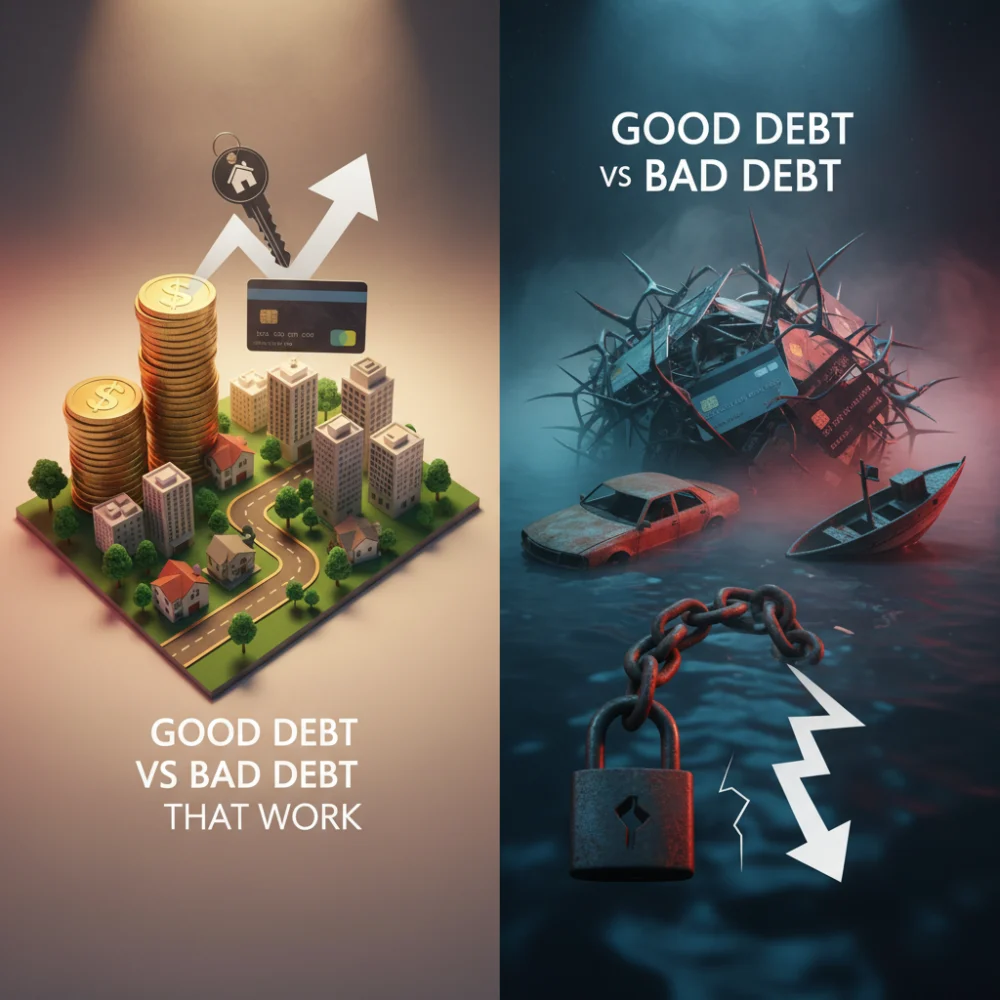







Debt is often described as a heavy anchor that drags down your financial potential and limits your life choices. For beginners, the concept of becoming debt-free can seem overwhelming, especially when faced with high-interest credit cards, student loans, or personal lines of credit. However, learning how to pay off debt faster is not just about saving money; it is about reclaiming your peace of mind and building a secure future. This guide will walk you through the essential steps and strategies to accelerate your journey to financial freedom.
Before diving into the mechanics of repayment, it is crucial to understand why you should pay off debt faster. The most obvious reason is the mathematical cost of borrowing. Interest is essentially the penalty you pay for using someone else’s money. Over time, compound interest can cause your debt to balloon significantly, meaning you end up paying back far more than you originally borrowed. By accelerating your payments, you drastically reduce the amount of interest paid, keeping more hard-earned money in your pocket in the long run.
Step 1: Confront Your Financial Reality
You cannot defeat an enemy you cannot see. The first step for any beginner is to organize all financial obligations. Create a comprehensive list of every single debt you owe. This list should include the creditor’s name, the total balance, the minimum monthly payment, and most importantly, the interest rate. Seeing these numbers written down can be intimidating, but it is a necessary shock to the system that provides a clear starting point for your payoff plan.
Step 2: Stop the Bleeding
While you are formulating a plan to pay off debt, you must ensure you are not adding to it. This means adopting a temporary lifestyle of austerity. Put away the credit cards and switch to using cash or a debit card. If you continue to swipe while trying to pay down balances, you are essentially trying to bail water out of a sinking boat without plugging the hole first. Establishing a zero-based budget—where every dollar of income is assigned a job—is critical during this phase.
Step 3: Choose Your Payoff Strategy
There are two primary schools of thought when it comes to debt repayment: the Debt Snowball and the Debt Avalanche. Choosing the right one depends on your personality and financial goals. Both methods require you to pay the minimums on all debts except one, which you will attack with every extra dollar you have.
The Debt Snowball Method focuses on psychology. You list your debts from the smallest balance to the largest balance, ignoring interest rates. You attack the smallest debt first. When it is paid off, you take the money you were paying on that debt and roll it into the next smallest one. The quick wins you get from eliminating small debts early on provide a massive morale boost, which is often what beginners need to stay motivated.
The Debt Avalanche Method focuses on mathematics. In this approach, you list your debts from the highest interest rate to the lowest. You attack the debt with the highest interest rate first. Mathematically, this is the superior method because it saves you the most money in interest charges over time and gets you out of debt slightly faster. However, it requires more discipline as it may take longer to see the first debt completely disappear.
Step 4: Lower Your Interest Rates
One of the most effective ways to pay off debt faster is to reduce the cost of the debt itself. If you have good credit, consider a balance transfer credit card with a 0% introductory APR period. This allows you to move high-interest debt to a card that accrues no interest for 12 to 18 months, meaning 100% of your payments go toward the principal balance. Alternatively, a personal consolidation loan with a lower interest rate than your credit cards can simplify your payments and save you money.
Step 5: Cut Expenses Ruthlessly
To accelerate your debt payoff, you need to widen the gap between your income and your expenses. Look at your bank statements from the last three months and identify non-essential spending. Cancel unused subscriptions, cook meals at home instead of dining out, and negotiate bills like insurance or internet. Every $10 or $20 you save is an extra amount you can throw at your debt principal. Remember, these sacrifices are temporary; you can resume some luxuries once you are debt-free.
Step 6: Increase Your Income
There is a limit to how much you can cut from your budget, but there is no limit to how much you can earn. To pay off debt faster, consider starting a side hustle. Whether it is freelancing, driving for a rideshare app, or selling unused items around your house on online marketplaces, generating extra income acts as a turbocharger for your debt repayment plan. Dedicate 100% of this extra income directly to your debt.
Utilize Windfalls Wisely
Throughout the year, you may receive unexpected money, such as tax refunds, work bonuses, or birthday gifts. It is tempting to treat yourself, but if you are serious about becoming debt-free, these windfalls should be applied immediately to your debt balances. Using a $1,000 tax refund to pay down a credit card balance can shave months off your repayment timeline and save you significant interest.
The Importance of an Emergency Fund
It might seem counterintuitive to save money while you are in debt, but having a small emergency fund is vital. Aim to save roughly $1,000 before you start aggressively attacking your debt. This buffer prevents you from having to use credit cards again when an unexpected expense arises, such as a car repair or medical bill. Without this safety net, a single emergency can derail your progress and force you back into the cycle of borrowing.
Staying Motivated for the Long Haul
Paying off debt is a marathon, not a sprint. There will be months where you feel discouraged or tempted to overspend. To stay on track, visualize your life without debt. specific goals for what you will do with your money once the payments are gone—perhaps saving for a house, traveling, or investing for retirement. Tracking your progress visually, such as coloring in a chart as you pay down balances, can also provide a dopamine hit that keeps you moving forward.
In conclusion, learning how to pay off debt faster requires a combination of strategic planning, behavioral changes, and unwavering discipline. By confronting your numbers, choosing a strategy like the Snowball or Avalanche, and maximizing your income, you can eliminate debt years ahead of schedule. The journey may be challenging, but the reward of financial freedom and the ability to build true wealth is worth every sacrifice.