






Living under the weight of debt can feel like an endless uphill battle that drains your emotional energy and financial resources. Understanding why you should find ways to escape debt permanently is the first step toward reclaiming your freedom. Debt is more than just a balance on a statement; it is a barrier to your future aspirations and long-term success. By addressing this issue head-on, you open the door to a life of stability and abundance.
The Psychological Freedom of Being Debt-Free
One of the most immediate benefits of eliminating debt is the reduction of stress and anxiety. Financial obligations often lead to sleepless nights and strained relationships. When you commit to a debt-free lifestyle, you experience a profound sense of mental clarity, allowing you to focus on growth rather than survival. This peace of mind is invaluable and serves as the bedrock for making better decisions in all areas of your life.
Moreover, the psychological shift that occurs when you are no longer beholden to creditors is transformative. You begin to see money as a tool for building a life you love, rather than a source of constant worry. This mindset shift is essential for maintaining long-term financial health and avoiding the pitfalls of consumerism that often lead back into the debt cycle.
Distinguishing Between Good and Bad Debt
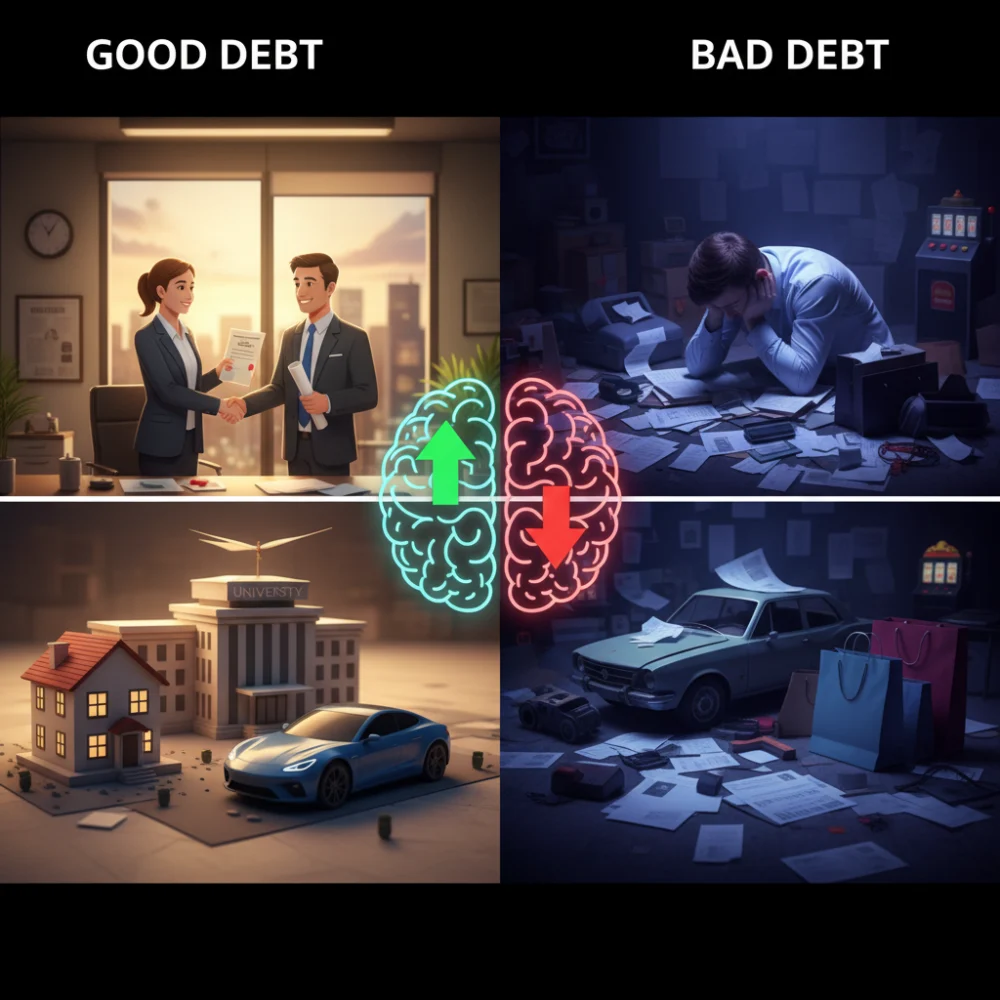
Not all debt is created equal, and understanding the difference is crucial for long-term success. Bad debt typically involves high-interest loans for depreciating assets, such as credit card balances for luxury items or high-interest payday loans. These drain your wealth without providing any long-term value. On the other hand, good debt might include low-interest mortgages or student loans that serve as investments in your future earning potential.
The Power of Budgeting and Tracking Expenses
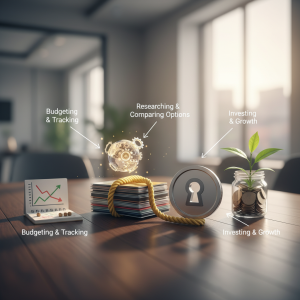
Escaping debt requires a meticulous approach to managing your cash flow. Creating a comprehensive budget allows you to see exactly where your money is going and identify areas where you can cut back. By tracking every penny, you gain the upper hand in your financial life and can redirect funds toward debt repayment. A budget is not a restriction; it is a roadmap to your financial independence.
A successful budget should include the following components:
- Fixed expenses like rent or mortgage payments.
- Variable expenses such as groceries and utilities.
- Discretionary spending for entertainment and hobbies.
- A dedicated category for debt reduction and savings.
Implementing the Debt Snowball Method
The debt snowball method is a popular strategy that focuses on psychological wins. By paying off your smallest debts first while making minimum payments on others, you build momentum. Each eliminated balance provides a boost of confidence, making it easier to tackle larger debts over time. This method is highly effective for those who need visible progress to stay motivated on their journey.
Utilizing the Debt Avalanche Strategy
For those focused on mathematical efficiency, the debt avalanche method is superior. This approach involves targeting the debt with the highest interest rate first. While it may take longer to see a balance reach zero compared to the snowball method, you will save a significant amount of money in interest payments over the long run. Choosing the right method depends on your personal psychology and financial goals.
The Importance of an Emergency Fund
One of the primary reasons people fall back into debt is the lack of a financial safety net. Building an emergency fund with at least three to six months of living expenses is vital. This fund acts as a buffer against unexpected medical bills, car repairs, or job loss, ensuring you do not have to rely on high-interest credit cards during a crisis. It is the first line of defense in maintaining a debt-free life.
Increasing Your Income Streams
While cutting expenses is important, increasing your income can significantly accelerate your journey to financial freedom. Consider taking on a side hustle, freelancing, or investing in professional development to qualify for higher-paying roles. Every extra dollar earned can be funneled directly into your debt repayment plan, shortening the time it takes to reach your goals and start building real wealth.
Avoiding the Trap of Lifestyle Inflation
As your income grows, it is tempting to upgrade your lifestyle immediately. However, lifestyle inflation is a silent killer of financial progress. To escape debt permanently, you must resist the urge to spend more as you earn more. Instead, maintain your current standard of living and use the surplus to build your emergency fund and invest. Discipline today leads to true wealth tomorrow.
Negotiating with Creditors for Better Terms
Many individuals do not realize that they can negotiate with their creditors. If you are struggling with high interest rates, calling your credit card company to request a lower rate can save you hundreds or even thousands of dollars. In some cases, creditors may also offer hardship programs or settlement options if you are experiencing extreme financial difficulty. Communication is key to finding a manageable path forward.
Seeking Professional Financial Guidance
If your debt feels insurmountable, seeking help from a non-profit credit counseling agency can be a wise move. These professionals can help you create a structured debt management plan and provide education on budgeting and money management. Their expertise can provide a clear path out of the financial wilderness and help you avoid bankruptcy, which can have long-lasting negative effects on your credit score.
Investing for the Future After Debt
Once the shackles of debt are removed, the real work of building long-term success begins. You can now redirect the money that used to go to interest and principal payments toward investments like retirement accounts, stocks, or real estate. This transition from paying for the past to investing in the future is the hallmark of true financial independence and ensures a comfortable life in your later years.
Conclusion: A Commitment to Lasting Freedom
Escaping debt permanently is not a one-time event but a lifelong commitment to disciplined financial habits and a growth-oriented mindset. By prioritizing debt repayment, building a solid financial foundation, and investing wisely, you pave the way for a future filled with opportunities and security. Start today by taking one small step toward your goals, and your future self will thank you for the courage to break free from the cycle of debt.