






Understanding the Core Concept of Financial Freedom
Financial freedom is more than just having a large sum of money in your bank account; it is the state where your passive income covers your living expenses, allowing you to make life choices without being constrained by financial limitations. To reach this level of independence, one must undergo a fundamental shift in perspective, moving from a consumer-driven mindset to an investor-oriented one. This journey requires discipline, a clear roadmap, and the willingness to sacrifice short-term gratification for long-term security.
The Importance of a Wealth-Building Mindset
Before diving into numbers, you must cultivate the right psychological foundation. A wealth-building mindset involves recognizing that money is a tool for freedom rather than just a means for consumption. Successful individuals often practice delayed gratification and understand the power of compounding. By viewing every dollar as a potential seed for future growth, you begin to treat your finances with the respect and strategic planning necessary for lasting prosperity.
The first practical step is conducting a thorough financial audit. You cannot reach a destination if you do not know your starting point. This involves listing all your assets, such as cash, investments, and property, and subtracting your liabilities, including credit card debt, student loans, and mortgages. Knowing your net worth provides a baseline from which you can measure progress and identify the most critical areas that need immediate attention.
Mastering the Art of Budgeting
Effective budgeting is the cornerstone of financial success. Many experts recommend the 50/30/20 rule as a starting point: 50% of income for needs, 30% for wants, and 20% for savings and debt repayment. However, for those seeking rapid financial freedom, increasing the savings rate to 40% or 50% can drastically accelerate the timeline. Tracking every expense helps reveal hidden leaks in your cash flow that could be redirected toward wealth-building assets.
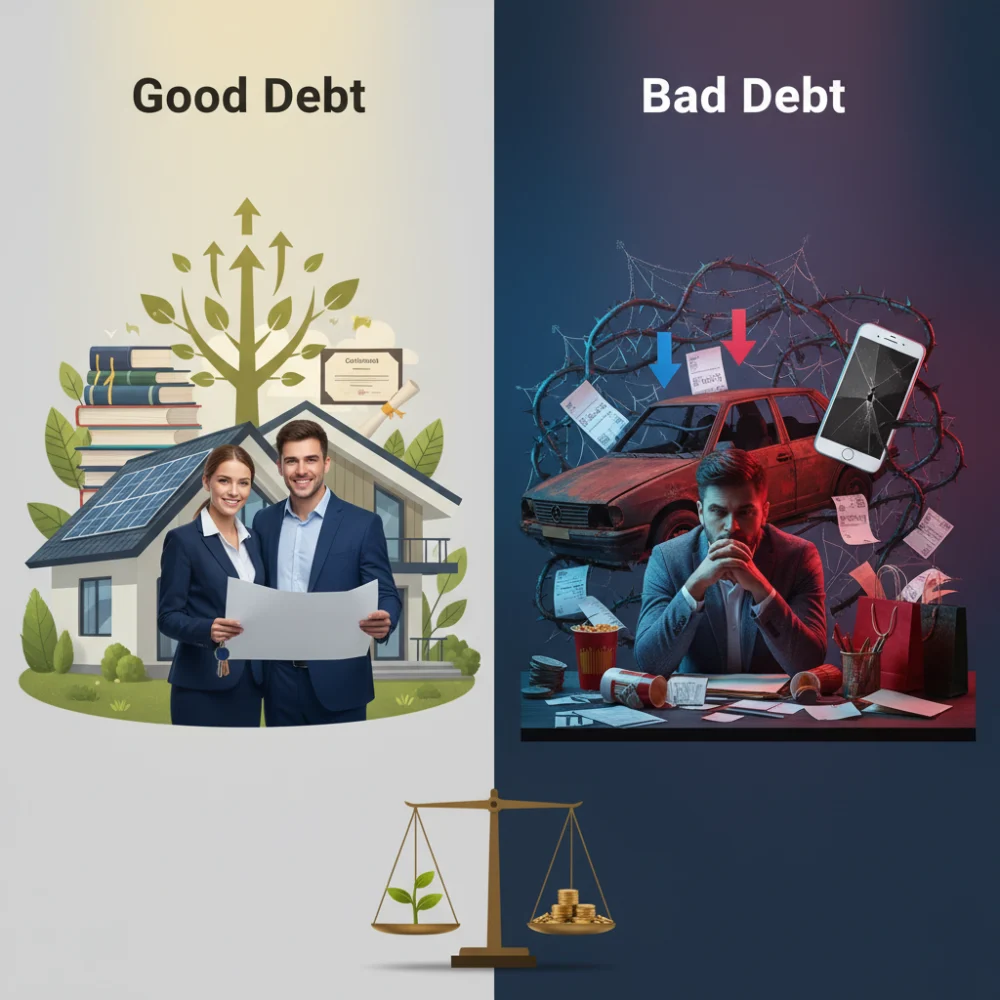
Debt is often the biggest obstacle to financial independence. High-interest debt, particularly from credit cards, acts as a drain on your wealth. Implementing a debt repayment strategy like the debt snowball (paying off smallest balances first for psychological wins) or the debt avalanche (paying off highest interest rates first to save money) is essential. Eliminating these obligations frees up more capital to be put into investments that generate returns rather than interest expenses.
Establishing a Robust Emergency Fund
Life is unpredictable, and financial setbacks can derail even the best-laid plans. An emergency fund consisting of three to six months of essential living expenses acts as a safety net. This fund should be kept in a liquid, high-yield savings account. Having this cushion prevents you from having to liquidate investments or take on new debt when faced with medical emergencies, car repairs, or sudden job loss, ensuring your long-term strategy remains intact.
Harnessing the Power of Compound Interest
Albert Einstein reportedly called compound interest the eighth wonder of the world. By starting early, you allow time to do the heavy lifting for your wealth. Investing consistently in diversified assets allows your earnings to generate their own earnings. Over decades, even modest contributions can grow into substantial sums. The key is consistency and avoiding the temptation to time the market, which often leads to suboptimal results compared to long-term holding.
Strategic Asset Allocation and Diversification
To protect and grow your wealth, you must diversify your portfolio. This means spreading your investments across various asset classes such as:
- Low-cost index funds and ETFs
- Individual stocks for higher growth potential
- Real estate for rental income and appreciation
- Fixed-income securities like bonds for stability
A well-diversified portfolio reduces risk because different assets react differently to economic shifts, ensuring that a downturn in one sector doesn’t wipe out your entire net worth.
Developing Multiple Streams of Passive Income
True financial freedom is achieved when you no longer need to trade your time for money. Creating passive income streams is the secret to breaking the cycle of the 9-to-5 grind. This can include dividends from stocks, rental income from properties, royalties from creative works, or automated online businesses. While these often require significant upfront effort or capital, they eventually provide the cash flow necessary to sustain your lifestyle without active labor.
Maximizing Your Earning Potential
While cutting expenses is important, there is a limit to how much you can save, but there is no limit to how much you can earn. Investing in your own human capital is one of the highest-return investments you can make. This involves:
- Learning high-demand skills
- Negotiating higher salaries
- Pursuing certifications or advanced degrees
- Starting a side hustle to supplement primary income
Increasing your top-line income allows you to accelerate your investment contributions significantly.
Optimizing Taxes for Long-Term Growth
Tax efficiency is a frequently overlooked aspect of financial freedom. By utilizing tax-advantaged accounts like 401(k)s, IRAs, or local equivalents, you can reduce your taxable income and allow your investments to grow tax-deferred or tax-free. Understanding the tax implications of different investment vehicles ensures that you keep a larger portion of your gains, which compounds over time into a much larger nest egg.
Protecting Your Assets with Insurance
Building wealth is only half the battle; protecting it is equally vital. Adequate insurance coverage—including health, life, disability, and property insurance—guards against catastrophic losses that could deplete your savings. Without proper protection, a single unfortunate event could reverse years of financial progress. Reviewing your policies annually ensures that your coverage evolves alongside your growing net worth.
Avoiding Lifestyle Inflation
As your income increases, the temptation to upgrade your lifestyle—a phenomenon known as lifestyle inflation—becomes stronger. Buying a bigger house or a luxury car can quickly consume your raises, leaving you in the same financial position as before. The secret to financial freedom is maintaining a modest lifestyle even as your earnings soar. By keeping your expenses stable, every additional dollar earned goes directly into your freedom fund.
Continuous Financial Education
The financial landscape is constantly changing with new laws, technologies, and investment opportunities. Staying informed is crucial for maintaining your edge. Reading financial books, listening to reputable podcasts, and following market trends help you make informed decisions. An educated investor is less likely to fall for get-rich-quick schemes and more likely to identify genuine opportunities for growth and preservation of capital.
Maintaining a Long-Term Vision and Persistence
The road to financial freedom is a marathon, not a sprint. There will be market crashes, economic downturns, and personal challenges along the way. Persistence is what separates those who achieve independence from those who give up. By focusing on your long-term goals and staying disciplined during volatile times, you ensure that you eventually reach the point where work becomes optional and financial worry becomes a thing of the past.