






Understanding the Importance of Debt Management
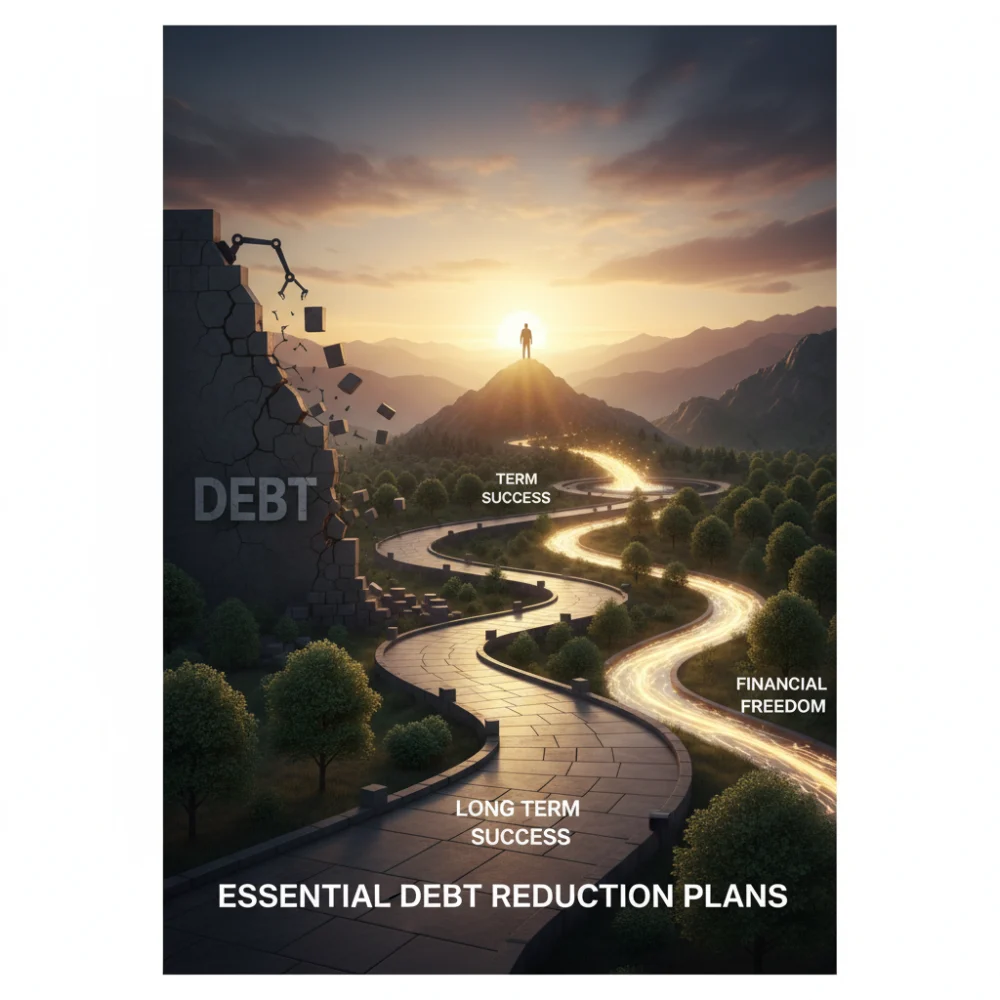
Managing debt is a critical component of personal financial health. In today’s economy, many individuals find themselves juggling multiple financial obligations, from credit card balances to student loans and mortgages. Without a clear strategy, these debts can become overwhelming, leading to chronic stress and long-term financial instability. Implementing smart debt management strategies is not just about paying off what you owe; it is about reclaiming control over your financial future and building a solid foundation for wealth creation. By being proactive, you can turn a mountain of debt into a manageable plan for freedom.
Distinguishing Between Good and Bad Debt
Not all debt is created equal, and understanding the difference between good debt and bad debt is the first step toward effective management. Good debt is typically viewed as an investment that will grow in value or generate long-term income, such as a mortgage for a home or a student loan for a high-demand career. Bad debt, on the other hand, involves borrowing for assets that depreciate quickly or for immediate consumption, such as high-interest credit card debt used for lifestyle expenses. Prioritizing the elimination of bad debt is essential because its high interest rates can quickly outpace your ability to save or invest.
Conducting a Comprehensive Debt Inventory
Before you can tackle your debt, you must have a complete and honest picture of your financial situation. This involves creating a detailed list of every debt you owe. For each item, record the total balance, the annual percentage rate (APR), the minimum monthly payment, and the due date. Having this information in one centralized location allows you to see the scope of your obligations and identifies which debts are costing you the most in interest charges. This inventory serves as the essential roadmap for your repayment journey and helps remove the fear of the unknown.
The Debt Snowball Method for Psychological Wins
One popular strategy for debt repayment is the Debt Snowball Method. This approach focuses on psychological momentum by prioritizing the smallest balances first, regardless of the interest rate. You pay the minimum on all debts except the smallest one, to which you direct as much extra money as possible. Once that debt is paid off, you roll that entire payment amount into the next smallest debt. This creates a sense of accomplishment and visible progress, which can be highly motivating for individuals who feel overwhelmed by the sheer number of creditors they have to deal with monthly.
The Debt Avalanche Method for Mathematical Efficiency
For those focused on mathematical efficiency and saving the most money, the Debt Avalanche Method is often the preferred choice. With this strategy, you prioritize debts with the highest interest rates first. By targeting high-interest debt, such as credit cards with 20% APR or higher, you minimize the total amount of interest paid over the life of your loans. While it may take longer to see a specific debt fully paid off compared to the snowball method, the long-term savings are significantly higher, allowing you to become debt-free faster in the long run.
Creating a Realistic and Disciplined Repayment Budget
Effective debt management requires a disciplined budget that reflects your actual spending habits. You must analyze your monthly income and expenses to identify areas where you can cut back and redirect funds toward debt repayment. A realistic budget ensures that you can meet your basic needs while consistently paying down your balances without resorting to more borrowing. Utilizing tools like the 50/30/20 rule—where 50% goes to needs, 30% to wants, and 20% to savings and debt—can provide a helpful framework for balancing your financial priorities and ensuring sustainability.
Negotiating Directly with Creditors
Many people do not realize that debt terms are often negotiable. If you are struggling to make payments, contacting your creditors directly can yield positive results. You may be able to negotiate a lower interest rate, a temporary forbearance period, or a revised payment plan that fits your current income. Creditors often prefer receiving consistent, albeit smaller, payments over the risk of a total default or bankruptcy. Being proactive, polite, and honest about your financial situation can open doors to more manageable repayment terms that you might not have thought possible.
Exploring Debt Consolidation Options
Debt consolidation involves taking out a new loan to pay off multiple smaller debts, leaving you with just one monthly payment. This can simplify your finances and, if the new loan has a lower interest rate than your previous debts, save you a substantial amount of money. Common consolidation tools include:
- Personal Loans with fixed rates and terms.
- Balance Transfer Credit Cards offering 0% introductory APR.
- Home Equity Lines of Credit (HELOC) for homeowners.
However, consolidation only works if you address the underlying spending habits that led to the debt in the first place.
The Crucial Role of an Emergency Fund
It may seem counterintuitive to save money while you are in debt, but having a small emergency fund is crucial for staying out of debt. Without a financial cushion, an unexpected expense like a car repair or medical bill can force you to rely on credit cards again, undoing months of progress. Aim to save a starter emergency fund of at least one month of essential expenses. This safety net provides peace of mind and ensures that you can stay on track with your debt repayment plan even when life throws a curveball, preventing the cycle of borrowing from restarting.
Breaking the Cycle of New Debt Accumulation
As you work through your repayment strategy, it is vital to stop accumulating new debt. This often requires a significant shift in mindset and lifestyle. Consider switching to a cash-only or debit-card-only spending system to avoid the temptation of credit cards. Evaluate your triggers for overspending, such as emotional stress or social pressure, and find healthier ways to cope. Breaking the cycle of borrowing is the only way to ensure that once you are out of debt, you stay out for good and can begin building real wealth.
Monitoring and Protecting Your Credit Score
Your debt levels and payment history have a direct impact on your credit score, which affects your future borrowing power. As you pay down your balances, your credit utilization ratio improves, which can lead to a higher credit score. A better score can qualify you for lower interest rates on future loans or mortgages, further aiding your financial health. Regularly monitoring your credit report also allows you to spot errors or signs of identity theft that could negatively impact your financial standing and helps you understand how your management efforts are paying off.
Psychological Resilience and Consistency
Debt management is as much a mental challenge as it is a financial one. It requires persistence, patience, and the ability to stay focused on long-term goals even when progress feels slow. It is common to feel frustrated or tempted to give up during the middle of the journey. Finding a support system, whether through a financial coach, a community group, or an accountability partner, can provide the encouragement needed to stay the course. Celebrating small milestones, like paying off a single card, can help maintain the motivation necessary for the long haul.
Utilizing Financial Windfalls Wisely
Throughout the year, you may receive unexpected sums of money, such as tax refunds, work bonuses, or inheritance. While it is tempting to spend these windfalls on luxuries or vacations, applying them toward your debt can drastically accelerate your repayment timeline. By treating these extra funds as a tool for financial freedom rather than found money for consumption, you can shave months or even years off your debt journey. This disciplined approach turns small windfalls into significant leaps toward a debt-free life.
Knowing When to Seek Professional Help
If your debt has become unmanageable despite your best efforts, it may be time to seek professional assistance. Non-profit credit counseling agencies can provide expert advice and help you set up a Debt Management Plan (DMP) that consolidates payments and reduces interest. In more extreme cases, consulting with a bankruptcy attorney might be necessary to understand your legal options for a fresh start. Seeking help is not a sign of failure but a proactive step toward resolving a difficult financial situation and gaining the education needed for future success.
Building a Sustainable and Wealth-Focused Future
The ultimate goal of smart debt management is to transition from a state of owing money to a state of building wealth. Once your high-interest debts are cleared, the funds that were previously going toward interest can be redirected into investments, retirement savings, and long-term financial goals. By maintaining the disciplined habits you developed during your debt repayment journey, you can ensure a stable and prosperous financial future. Financial freedom is not just about having zero debt; it is about having the resources and the peace of mind to live life on your own terms.