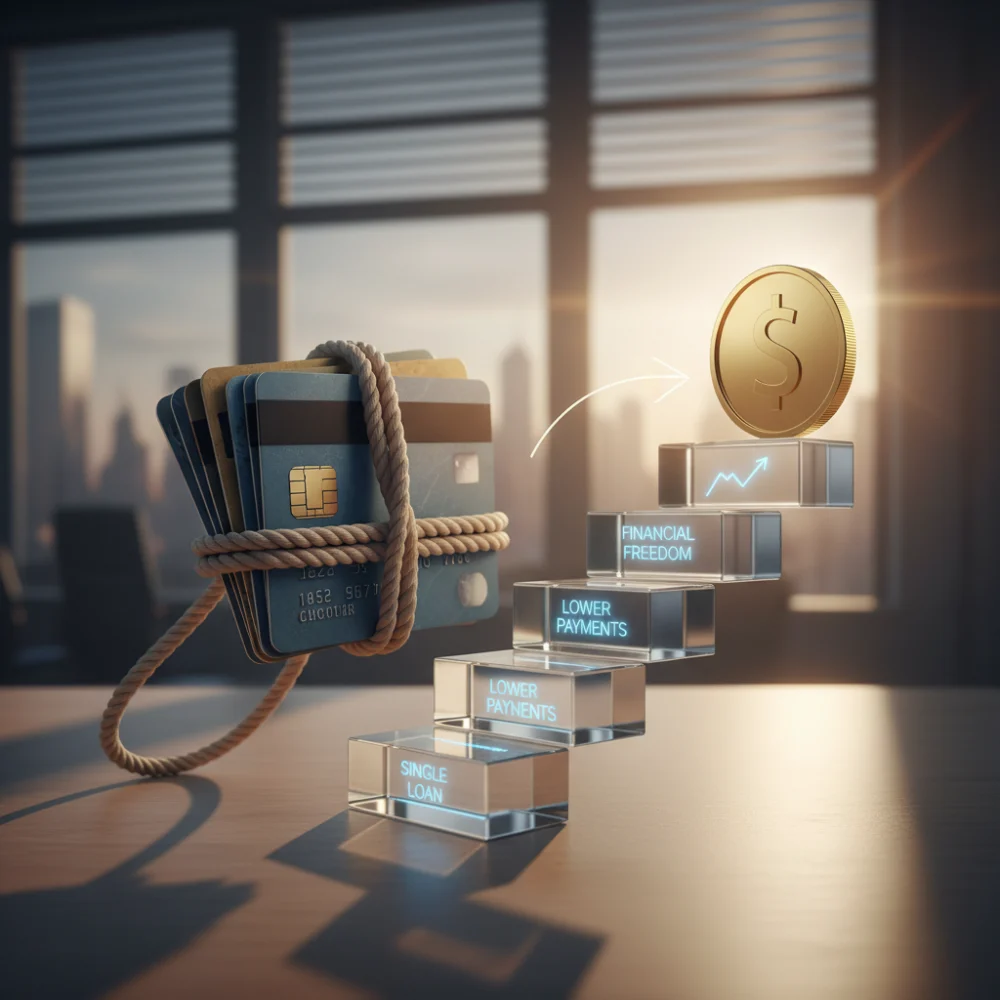







Living under the weight of financial obligation can feel like an endless cycle of stress and anxiety. For many, debt is not just a financial number; it is an emotional burden that dictates life choices, limits freedom, and hinders future growth. However, achieving financial freedom is entirely possible with the right mindset and a structured plan. This article provides a deep dive into complete ways to escape debt permanently, offering insights that go beyond simple budgeting to address the root causes of financial distress.
1. Confronting the Reality of Your Finances
The first and most crucial step in any debt elimination journey is radical transparency. You cannot defeat an enemy you cannot see. This involves gathering every bank statement, credit card bill, loan agreement, and overdue notice. Create a comprehensive spreadsheet that lists the creditor, total balance, interest rate, and minimum monthly payment for each debt. While this process can be intimidating, it is the foundation upon which your financial recovery is built.
2. Understanding the Psychology of Spending
Debt is often a symptom of underlying behavioral patterns rather than just a math problem. To escape debt permanently, one must understand the triggers that lead to overspending. emotional spending, keeping up with societal pressure, or a lack of financial literacy often drive people into red. By identifying these psychological triggers, you can implement safeguards—such as waiting 24 hours before making non-essential purchases—to prevent future accumulation of debt.
3. The Debt Snowball Method
One of the most popular strategies for maintaining motivation is the Debt Snowball method. This approach prioritizes paying off debts from smallest balance to largest, regardless of the interest rate. By clearing small debts quickly, you gain psychological wins that build momentum. These small victories release dopamine, keeping you motivated to tackle the larger, more daunting balances waiting further down the list.
4. The Debt Avalanche Method
For those who are mathematically inclined, the Debt Avalanche method offers the most efficient route. This strategy focuses on paying off debts with the highest interest rates first. By targeting high-interest debt, you mathematically reduce the total amount of interest paid over the life of the loans, allowing you to get out of debt faster. While it may take longer to see the first account closed compared to the Snowball method, the long-term savings are significant.
5. Implementing a Zero-Based Budget
To find the money necessary to pay down debt, you must control where every dollar goes. A zero-based budget requires you to allocate every single dollar of your income to a specific category before the month begins. This ensures that no money is wasted on ‘miscellaneous’ spending. Your income minus your expenses (including debt repayment) should equal zero. If there is money left over, it should be immediately applied to your debt principal.
6. Negotiating with Creditors
Many consumers are unaware that debt terms are often negotiable. If you are struggling to make payments, contact your creditors immediately. You can request a lower interest rate, a temporary pause on payments, or a settlement for a lump sum that is less than the full amount owed. Creditors often prefer to receive a partial payment rather than having the account default and go to a collection agency. Be professional, persistent, and honest about your situation.
7. Debt Consolidation: Pros and Cons
Debt consolidation involves taking out a single new loan to pay off multiple smaller debts. This can simplify your financial life by leaving you with just one monthly payment and, ideally, a lower interest rate. However, this strategy requires discipline. The danger lies in clearing credit card balances via a consolidation loan and then running up the credit card debt again. Consolidation is a tool, not a cure; it must be paired with changed spending habits.
8. Cutting Expenses to the Bone
To accelerate your timeline, you must widen the gap between your income and your expenses. This often requires a season of sacrifice. Review your recurring subscriptions, dining out habits, and entertainment costs. Consider drastic measures temporarily, such as downsizing your vehicle, moving to a cheaper apartment, or cooking every meal at home. Remember, these sacrifices are temporary investments in your permanent freedom.
9. Increasing Your Income Shovel
Sometimes, frugality has a limit, but income potential is theoretically unlimited. To escape debt permanently, consider starting a side hustle, freelancing, or selling unused items around your house. Using 100% of this extra income to attack your debt principal can shave years off your repayment plan. Whether it is driving for a rideshare service, tutoring, or consulting, increasing your cash flow is a powerful accelerator.
10. Building an Emergency Fund
It may seem counterintuitive to save money while you are in debt, but a small emergency fund is essential. Without a safety net (typically $1,000 to start), any unexpected expense—like a car repair or medical bill—will force you to use credit cards, pushing you deeper into the hole. This fund acts as a buffer between you and new debt, breaking the cycle of borrowing.
11. The Role of Credit Counseling
If your debt feels insurmountable, professional help is available. Non-profit credit counseling agencies can help you create a Debt Management Plan (DMP). These agencies negotiate with creditors on your behalf to lower interest rates and waive fees. Unlike debt settlement companies, credit counselors focus on paying back the full principal in a manageable way, which is less damaging to your long-term credit score.
12. Avoiding Lifestyle Creep
As you pay off debt and perhaps see your income rise, the temptation to upgrade your lifestyle will grow. This phenomenon, known as lifestyle creep, is a primary reason people fall back into debt. To remain debt-free permanently, commit to living below your means even after the debt is gone. Continue to live on the same budget you used while paying off debt, and divert the surplus into investments and savings.
13. Shifting to a Cash-Based System
Using physical cash or a debit card triggers a different psychological response than swiping a credit card. Studies show that people spend significantly less when paying with cash because the ‘pain of paying’ is more immediate. Adopting a cash envelope system for variable expenses like groceries and entertainment can physically prevent you from overspending.
14. Changing Your Social Environment
Your spending habits are often influenced by the people around you. If your social circle revolves around expensive dinners, luxury vacations, and shopping, it will be difficult to stick to a debt-free journey. Be honest with your friends about your financial goals. You may need to suggest lower-cost activities or temporarily distance yourself from environments that trigger the urge to spend money you do not have.
15. Conclusion: The Road to Wealth
Escaping debt permanently is not just about reaching a balance of zero; it is about reclaiming your future. Once the debt is gone, the money that used to go toward interest payments can now be used to build wealth through investing. The discipline, budgeting skills, and resilience you develop during this process are the very tools that will help you build lasting prosperity. Stay focused, trust the process, and remember that financial freedom is worth every sacrifice.