






Living with debt can feel like carrying an invisible weight that affects every aspect of your life, from your mental health to your long-term financial security. To achieve true financial freedom, one must adopt a holistic approach that goes beyond simple math; it requires a fundamental shift in behavior and a commitment to sustainable habits.
Assessing Your Current Financial Situation
The first step toward permanent debt relief is facing the numbers head-on. You must create a comprehensive list of every debt you owe, including the total balance, the minimum monthly payment, and the annual percentage rate (APR). Transparency is the foundation of recovery, as you cannot fix what you do not fully understand.
Once you have a clear picture, categorize your debts into high-interest and low-interest categories. High-interest debt, such as credit card balances, should generally be prioritized because it grows the fastest. Understanding the cost of your debt in terms of interest paid each month can be a powerful motivator to start your journey.
Developing a Bulletproof Budget
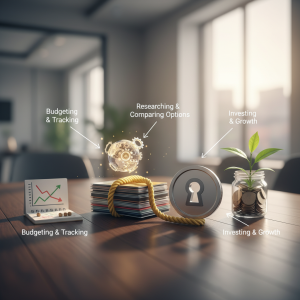
A budget is not a restriction; it is a tool for liberation. By implementing a zero-based budget, where every dollar is assigned a specific task, you regain control over your cash flow. This process involves tracking your income and subtracting every single expense until you reach zero, ensuring that no money is wasted on impulsive purchases.
During the budgeting phase, it is essential to distinguish between needs and wants. While it might be difficult to cut back on lifestyle choices, temporary sacrifice leads to permanent freedom. Focus on maximizing the gap between your income and expenses, as this surplus will be your primary weapon against debt.
The Debt Snowball vs. The Debt Avalanche
There are two primary mathematical strategies for debt repayment: the Snowball and the Avalanche. The Snowball method focuses on psychological wins by paying off the smallest balances first. This creates a sense of momentum that keeps you motivated as you see accounts closing one by one.
In contrast, the Debt Avalanche method prioritizes debts with the highest interest rates. While it may take longer to see a balance reach zero, this method is mathematically superior because it minimizes the total interest paid over time. Choose the method that aligns best with your personality and psychological needs to ensure consistency.
Negotiating with Creditors
Many people do not realize that debt terms are often negotiable. If you have a good payment history but are struggling with high interest, contact your creditors and ask for a lower rate. Professional communication can lead to hardship programs or temporary interest freezes that provide the breathing room necessary to make progress.
Exploring Debt Consolidation
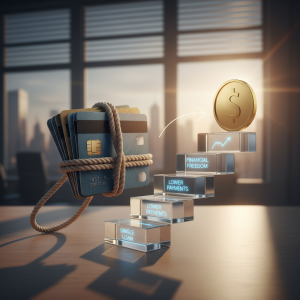
For those juggling multiple high-interest loans, debt consolidation might be a viable option. By taking out a single personal loan with a lower interest rate to pay off several smaller debts, you can simplify your monthly payments and reduce the total cost of borrowing. However, this only works if you stop using credit cards immediately.
Increasing Your Income Streams
While cutting expenses is vital, there is a limit to how much you can save, but no limit to how much you can earn. Consider taking on a side hustle, selling unused items around the house, or seeking a promotion at work. Every extra dollar earned should be funneled directly toward your debt repayment plan.
Building an Emergency Fund
One of the most common reasons people fall back into debt is an unexpected expense. Before aggressively paying down debt, aim to save a small starter emergency fund of one to two months of expenses. This safety net prevents you from reaching for a credit card when your car breaks down or a medical bill arrives.
Changing Your Relationship with Money
Permanent debt freedom requires a mindset shift. You must identify the emotional triggers that lead to overspending. Whether it is stress-shopping or trying to keep up with social expectations, addressing the root cause of your spending habits is the only way to ensure the debt does not return in the future.
Utilizing Cash-Only Systems
To prevent adding to your debt, consider switching to a cash-only or debit-based system for daily expenses. Using physical cash makes the pain of paying more tangible, which naturally reduces impulse spending. When you no longer rely on plastic, you become more mindful of every transaction.
Seeking Professional Guidance
If your debt feels insurmountable, do not hesitate to seek help from a non-profit credit counseling agency. These professionals can help you set up a Debt Management Plan (DMP) and provide educational resources to improve your financial literacy. Expert advice can often provide a roadmap that you might have missed on your own.
Maintaining Long-Term Success
Once the debt is gone, the journey is not over. The final step is to transition your debt-payment habits into saving and investing habits. By continuing to live below your means and investing the surplus, you build a foundation of wealth that ensures you will never have to rely on high-interest debt ever again.