






Understanding the Foundation of Debt-Free Living
Achieving a debt-free life is more than just a financial goal; it is a fundamental shift in how one interacts with money and resources. Debt-free living involves a conscious decision to eliminate all liabilities, including credit card balances, personal loans, and even mortgages. By understanding the core principles of financial independence, individuals can reclaim their income and direct it toward wealth building rather than interest payments. This journey requires discipline, a clear roadmap, and the willingness to make temporary sacrifices for long-term peace of mind.
The Psychology of Financial Independence
Before implementing technical strategies, it is crucial to address the psychological aspects of spending. Many people fall into debt due to emotional spending or the desire to keep up with social standards. Developing a mindset of contentment allows you to distinguish between needs and wants. By shifting your perspective from consumption to accumulation, you create the mental space necessary to stick to a rigorous repayment plan even when faced with external pressures.
Creating a Zero-Based Budget
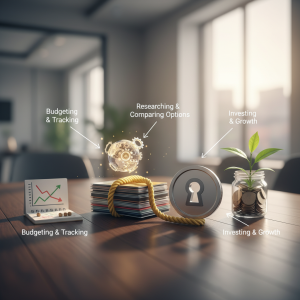
One of the most effective techniques in the debt-free toolkit is the zero-based budget. This method requires you to assign every single dollar of your income a specific purpose before the month begins. When your income minus your expenses equals zero, you have full control over your cash flow. This prevents mindless spending and ensures that a significant portion of your earnings is directed toward debt principal rather than disappearing into miscellaneous costs.
Implementing the Debt Snowball Method
The Debt Snowball method is a popular strategy that focuses on psychological wins. In this technique, you list all your debts from smallest balance to largest balance, regardless of interest rates. You pay the minimum on everything except the smallest debt, which you attack with every extra cent you have. Once the smallest debt is gone, you move that entire payment to the next smallest. This creates momentum and provides the motivation needed to stay the course.
Utilizing the Debt Avalanche Method
For those who prefer a mathematically optimized approach, the Debt Avalanche method is the superior choice. This technique involves listing debts by interest rate, from highest to lowest. By targeting the debt with the highest interest first, you minimize the total amount of interest paid over time. While it may take longer to see the first debt disappear compared to the snowball method, the Avalanche method saves more money in the long run and shortens the total repayment period.
The Role of an Emergency Fund
A common mistake during debt repayment is neglecting to save for emergencies. Without a small cash cushion, any unexpected expense—like a car repair or medical bill—will likely end up back on a credit card, resetting your progress. It is recommended to save an initial emergency fund of at least one month of expenses before aggressively paying down debt. This fund acts as a financial buffer that protects your plan from life’s unpredictability.
Drastic Expense Reduction Strategies
To accelerate your journey, you must look for ways to cut costs deeply. This might include:
- Canceling unused subscriptions and memberships.
- Switching to generic brands for groceries and household items.
- Downsizing your living situation or selling a vehicle with a high loan.
- Cooking at home instead of dining out.
Each dollar saved is a dollar that can be used to purchase your freedom from creditors.
Boosting Income Through Side Hustles
While cutting expenses is vital, there is a limit to how much you can cut. However, there is no limit to how much you can earn. Increasing your income through side hustles, freelance work, or overtime can dramatically shorten your debt-free timeline. Whether it is selling items you no longer use or leveraging a professional skill on a consulting basis, the extra income should be strictly earmarked for debt reduction to maximize its impact.
Negotiating with Creditors
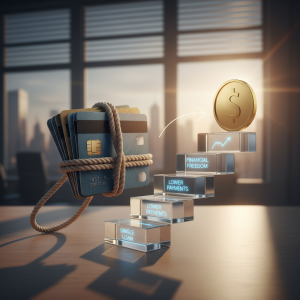
Many individuals do not realize that interest rates and payment terms are often negotiable. Contacting your creditors to request a lower interest rate can significantly reduce the burden of high-interest credit cards. If you have a solid payment history, companies may be willing to work with you to keep you as a customer. Lowering your rates ensures that more of your monthly payment goes toward the principal balance rather than interest charges.
The Pros and Cons of Debt Consolidation
Debt consolidation involves taking out a new loan to pay off multiple smaller debts, ideally at a lower interest rate. This can simplify your finances by leaving you with only one monthly payment. However, it is a technique that requires caution; if the underlying spending habits are not changed, consolidation can lead to even more debt if the original credit lines are used again. Use consolidation only as a tool to lower interest costs, not as a way to avoid the reality of your debt.
Developing a Minimalist Lifestyle
Adopting elements of minimalism can be a powerful catalyst for debt-free living. By focusing on experiences and relationships rather than material possessions, the urge to spend decreases. A minimalist approach encourages you to evaluate every purchase based on its utility and value to your life. This lifestyle shift not only helps in paying off debt but also ensures that you do not fall back into the consumerism trap once you are debt-free.
Tracking Progress and Visualizing Success
Staying motivated over several months or years is one of the hardest parts of the process. Using visual trackers, such as charts or apps, can provide a sense of accomplishment. Seeing a balance drop visually reinforces the hard work you are putting in. Celebrate small milestones, such as paying off a single credit card, to keep your spirits high. Consistent tracking transforms an abstract goal into a tangible reality.
Avoiding New Debt Traps
As you pay off debt, you will likely receive offers for new credit cards or loans. It is essential to develop the discipline to say no. This includes avoiding “buy now, pay later” schemes and store financing offers. True financial freedom comes from the ability to pay for things in full with cash. By removing the reliance on credit, you break the cycle of borrowing and ensure that your future income belongs entirely to you.
Investing for the Future Post-Debt
Once the debt is eliminated, the techniques of disciplined budgeting and saving should be redirected toward investing. The same amount of money that previously went to creditors can now be used to build a robust retirement portfolio or a house down payment. The compounding interest that once worked against you in the form of debt will now work for you in the form of investments, leading to exponential wealth growth.
Maintaining a Debt-Free Life Long-Term
The final stage of the journey is maintenance. Debt-free living is a lifelong commitment to financial responsibility. It requires ongoing monitoring of expenses and an annual review of financial goals. By keeping your emergency fund fully funded and continuing to live below your means, you ensure that you will never have to borrow money again. This freedom provides a level of security and flexibility that allows you to live life on your own terms.