






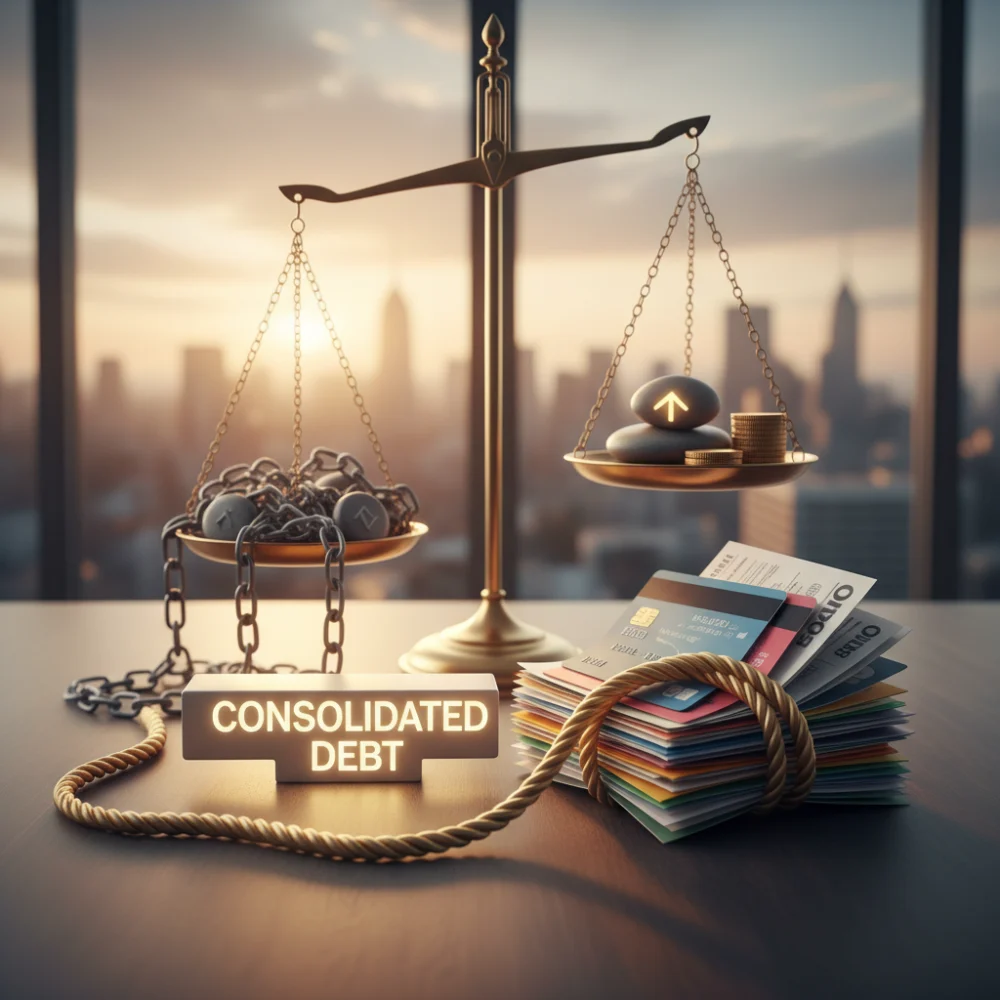
Introduction to Debt Consolidation
Debt consolidation is a financial strategy that involves combining multiple high-interest debts into a single, more manageable payment. This approach is often used to streamline monthly obligations and potentially lower the overall interest rate paid over time. By understanding the core principles of consolidation, individuals can take control of their financial future and move toward a debt-free life more efficiently.
Why You Should Consider Consolidating Your Debt
One of the primary reasons to consolidate debt is the reduction of complexity in your financial life. Managing several credit card bills, personal loans, and medical expenses can be overwhelming and lead to missed payments. Consolidation simplifies this by requiring only one payment per month, which reduces the likelihood of missing a due date and incurring late fees or credit damage.
Lowering Your Overall Interest Rates
High interest rates on credit cards can make it nearly impossible to pay down the principal balance. Debt consolidation often allows borrowers to secure a lower interest rate through a personal loan or a balance transfer credit card. This means more of your monthly payment goes toward the actual debt rather than just covering the interest charges, accelerating your path to zero balance.
Improving Your Credit Score Over Time
While taking out a new loan may cause a temporary dip in your credit score due to a hard inquiry, successful debt consolidation can lead to a significant long-term increase. By paying off multiple revolving credit lines, you improve your credit utilization ratio, which is a major factor in credit scoring. Consistent, on-time payments on the new consolidation loan will also bolster your credit history.
Common Methods: Using Personal Loans
Personal loans are a popular choice for debt consolidation because they are typically unsecured and offer fixed interest rates with fixed repayment terms. Borrowers use the loan proceeds to pay off their existing high-interest debts and then pay back the lender over a period usually ranging from two to seven years. This provides a clear end date for the debt, which is psychologically beneficial.
Leveraging Balance Transfer Credit Cards
For those with relatively small amounts of debt and good credit, a balance transfer credit card can be an effective tool. These cards often offer a 0% introductory APR for a specific period, such as 12 to 21 months. However, it is crucial to pay off the balance before the introductory period ends to avoid high interest rates thereafter, and one must be mindful of balance transfer fees.
Home Equity Loans and Lines of Credit
Homeowners may choose to leverage the equity in their property through a Home Equity Loan or a Home Equity Line of Credit (HELOC). These options often offer the lowest interest rates because they are secured by the home. However, this comes with the significant risk of losing your property if you are unable to make the payments, making it a high-stakes strategy.
Assessing Your Current Financial Situation
Before proceeding with consolidation, it is vital to perform a thorough assessment of your finances. Calculate the total amount of debt you owe, the average interest rate you are currently paying, and your monthly disposable income. Consolidation only works if the new monthly payment is affordable within your current budget and if the total cost of the new loan is lower than the status quo.
The Danger of Continuing to Spend
A common mistake in debt consolidation is continuing to use credit cards after their balances have been cleared. This can lead to a dangerous “double debt” situation where you owe money on both the consolidation loan and new credit card charges. To succeed, you must commit to a lifestyle change and stop relying on credit for daily expenses or impulsive purchases.
Creating a Sustainable Monthly Budget
Effective debt management requires a sustainable budget that accounts for all income and expenditures. Track your spending for a month to identify areas where you can cut back. Redirecting those savings toward your consolidation loan can help you pay off the debt even faster. A budget acts as a roadmap, ensuring that your financial goals remain the top priority throughout the process.
Comparing Lenders and Loan Terms
Not all consolidation loans are created equal, and it is essential to shop around and compare offers from different banks, credit unions, and online lenders. Look closely at the Annual Percentage Rate (APR), any origination fees, and the total cost of the loan over its entire lifespan. Always read the fine print and understand the penalties for late payments or early repayment before signing.
The Role of Professional Credit Counseling
If you find yourself overwhelmed and unable to qualify for a traditional consolidation loan, a non-profit credit counseling agency may be able to help. These organizations offer Debt Management Plans (DMPs) where they negotiate with creditors on your behalf to lower interest rates and waive fees. This is a structured way to pay back debt without taking out a new loan, though it may require closing accounts.
Understanding the Impact on Your Credit History
When you apply for a consolidation loan, lenders will perform a hard credit inquiry, which might slightly lower your score. Additionally, closing old credit card accounts after paying them off can impact your score by shortening your credit history. In many cases, it is better to keep the accounts open but inactive to maintain a healthy credit age and a lower utilization ratio.
Setting Realistic Financial Goals for the Future
Debt consolidation should be part of a larger, comprehensive financial plan. Set realistic goals, such as building an emergency fund or saving for retirement, once the debt is under control. Having these goals in place provides the necessary motivation to stick to your repayment plan and helps you avoid falling back into the cycle of high-interest borrowing.
Conclusion: A Path to Long-Term Financial Freedom
Consolidating debt wisely is a powerful step toward achieving long-term financial stability and peace of mind. By choosing the right method for your specific needs, maintaining a strict budget, and avoiding the accumulation of new debt, you can effectively manage your liabilities. Remember that the ultimate goal is not just to move debt around, but to eliminate it entirely through disciplined financial habits and informed decision-making.