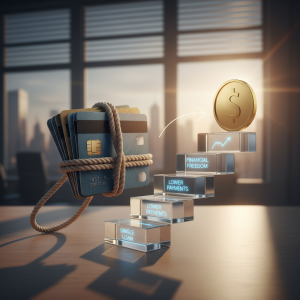







Living under the weight of debt can feel like an endless uphill battle that affects not just your wallet, but also your mental well-being and overall quality of life. To achieve true financial freedom, one must understand that escaping debt is not merely a mathematical exercise but a comprehensive lifestyle transformation. Essential ways to escape debt permanently involve a combination of strategic planning, disciplined execution, and a fundamental shift in how you perceive money and consumption.
Facing the Reality of Your Financial Situation
The first and often most difficult step in the journey to becoming debt-free is facing the cold, hard numbers. You cannot fix what you do not measure. Start by listing every single debt you owe, including the total balance, the interest rate, and the minimum monthly payment. This transparency is crucial because it provides a clear roadmap of the mountain you need to climb and prevents any hidden costs from sabotaging your progress later on.
Creating a Realistic and Sustainable Budget
A budget is not a cage; it is a tool for liberation. To escape debt, you must create a zero-based budget where every dollar is assigned a specific task. By tracking your income and expenses meticulously, you can identify leaks in your spending habits. Redirecting funds from non-essential luxuries toward your debt repayments is the primary engine that will drive your financial recovery forward.
The Debt Snowball Method for Psychological Wins
The Debt Snowball method focuses on momentum. Using this strategy, you pay off your smallest debts first while maintaining minimum payments on larger ones. When the smallest debt is gone, you roll that payment into the next smallest. This sequence creates a series of quick wins that provide the psychological motivation necessary to stay committed to a long-term financial plan.
The Debt Avalanche Method for Interest Savings
For those focused strictly on the mathematics of debt, the Debt Avalanche method is often the preferred choice. Here, you prioritize debts with the highest interest rates first. By tackling high-interest credit cards or personal loans, you reduce the total amount of interest paid over time, potentially saving thousands of dollars and shortening your overall repayment timeline significantly.
Drastically Cutting Discretionary Spending
To accelerate your journey, you must distinguish between needs and wants. Temporary sacrifices in your lifestyle can lead to permanent financial security. This might involve:
- Canceling unused subscriptions and memberships
- Reducing dining out and choosing home-cooked meals
- Opting for generic brands over premium labels
- Delaying major purchases until you are debt-free
Every dollar saved is a dollar that can be used to break your chains.
Increasing Income Through Side Hustles
While cutting expenses is vital, there is a limit to how much you can save, but no limit to how much you can earn. Increasing your income through side hustles, freelance work, or part-time jobs can drastically shorten your debt-free timeline. Using 100 percent of this additional income for debt repayment ensures that your lifestyle does not inflate while your bank account grows.
Negotiating with Creditors for Better Terms
Many people do not realize that debt terms are often negotiable. Contacting your creditors to request a lower interest rate or a temporary hardship program can provide much-needed breathing room. If you have a history of on-time payments, companies are often willing to work with you rather than risk a total default on the loan.
Building a Starter Emergency Fund
It may seem counterintuitive to save money while you owe money, but a starter emergency fund is essential. Without a small buffer (typically one month of expenses), any unexpected car repair or medical bill will force you to rely on credit cards again. This fund acts as a safety net that prevents you from falling back into the cycle of debt you are trying to escape.
Understanding the Psychology of Spending
Permanent debt freedom requires addressing the root causes of overspending. Many individuals use shopping as a coping mechanism for stress or a way to seek social validation. By identifying your emotional triggers and finding healthier ways to manage stress, you can stop the impulse purchases that lead to debt accumulation in the first place.
The Dangers of Credit Card Reliance
Credit cards are the most common gateway to long-term debt due to their high interest rates and ease of use. To escape debt permanently, you must stop using credit as an extension of your income. Transitioning to a cash-only or debit-based system ensures that you are only spending money you actually possess, fostering a more grounded relationship with your finances.
Exploring Debt Consolidation Wisely
Debt consolidation can be a powerful tool if used correctly. By combining multiple high-interest debts into a single loan with a lower interest rate, you can simplify your monthly payments and reduce interest costs. However, this only works if you address the spending habits that created the debt; otherwise, you risk running up new balances on your now-empty credit cards.
The Importance of Tracking Progress
Consistency is the key to financial success. Regularly reviewing your progress helps keep you focused and allows for adjustments as life circumstances change. Visualizing your declining debt balance through charts or apps can provide a sense of accomplishment and remind you that your hard work is yielding tangible results.
Seeking Professional Credit Counseling
If you find yourself overwhelmed and unable to manage your debt alone, seeking help from a non-profit credit counseling agency can be a wise move. These professionals can help you set up a debt management plan, negotiate with creditors on your behalf, and provide education on financial literacy that will serve you for a lifetime.
Maintaining a Debt-Free Lifestyle Long-Term
Escaping debt is the first half of the battle; staying out of debt is the second. Once you reach zero balance, redirect the money you were using for debt toward long-term investments and a full emergency fund. By maintaining the same disciplined habits that got you out of debt, you ensure that you will never have to face the burden of high-interest liabilities ever again.