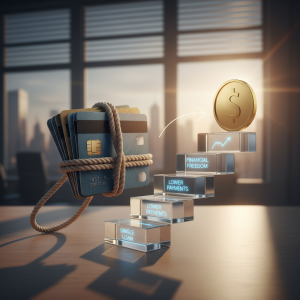







Understanding the Path to Financial Freedom
Living a debt-free life is more than just a financial goal; it is a profound lifestyle shift that offers unparalleled peace of mind and security. For many, the journey begins with a realization that debt is not a necessary tool but a weight that hinders personal growth and long-term prosperity. By understanding the mechanics of debt and the psychological triggers that lead to overspending, individuals can begin to reclaim control over their financial destiny.
The first step in How to Debt Free Living Explained Insights involves a comprehensive audit of one’s current financial situation. This means listing every single liability, from credit card balances and student loans to car payments and mortgages. Seeing the total sum of debt can be overwhelming, but it is a crucial reality check that serves as the foundation for a strategic exit plan.
The Psychological Shift Toward Frugality
Achieving a debt-free status requires a mental transformation. It is about moving away from immediate gratification and toward delayed satisfaction. This shift involves questioning every purchase and distinguishing between genuine needs and fleeting wants. When you prioritize financial independence over material possessions, you create a buffer against the consumerist culture that often traps people in cycles of high-interest debt.
Establishing a strict budget is the most effective tool in your arsenal. A budget is not a restriction on your freedom; rather, it is a blueprint for your success. By allocating every dollar to a specific category, you ensure that your money is working for you rather than disappearing into mindless spending. Tools like the zero-based budget can be particularly effective in ensuring that every cent is accounted for and directed toward debt repayment.
The Debt Snowball vs. The Debt Avalanche
There are two primary strategies for paying down debt: the Snowball Method and the Avalanche Method. The Snowball Method focuses on paying off the smallest balances first to build psychological momentum. As each small debt is cleared, the satisfaction gained provides the motivation to tackle larger sums. Conversely, the Avalanche Method prioritizes debts with the highest interest rates, which mathematically saves more money over time. Choosing the right method depends on whether you are driven more by psychological wins or mathematical efficiency.
Utilizing automated payments can significantly reduce the risk of late fees and missed deadlines. By setting up automatic transfers from your checking account to your creditors, you ensure that your debt reduction plan remains consistent even during busy months. This approach helps in maintaining discipline without requiring constant manual intervention, allowing the process to become a natural part of your monthly routine.
Building an Emergency Fund
One of the most common reasons people fall back into debt is an unexpected expense, such as a medical bill or a car repair. To prevent this, it is essential to build a starter emergency fund of at least one thousand dollars before aggressively paying down debt. This fund acts as a financial shock absorber, allowing you to handle life’s surprises without reaching for a credit card or taking out a new loan.
Reducing expenses is only one side of the equation; increasing your income can drastically accelerate your timeline. Whether it is through a side hustle, freelance work, or seeking a promotion at your current job, every extra dollar earned should be funneled directly into your debt repayment plan. This temporary period of intense hustle can shave years off your journey to financial freedom and provide a sense of empowerment.
Negotiating with Creditors
Many people do not realize that interest rates and payment terms are often negotiable. Calling your credit card companies to request a lower interest rate can save you hundreds of dollars in interest charges. If you have a good payment history, many creditors are willing to work with you to ensure they eventually get paid, rather than risking a total default or bankruptcy process.
Consolidating debt can also be a viable strategy if done correctly. By moving high-interest balances to a lower-interest personal loan or a balance transfer credit card, you can simplify your payments and reduce the total interest paid. However, this strategy only works if you commit to not racking up new debt on the accounts you just cleared, which requires immense self-discipline and a change in spending habits.
The Role of Discipline and Consistency
The road to a debt-free life is a marathon, not a sprint. There will be moments of frustration and temptation to revert to old habits. Maintaining a long-term perspective is vital. Celebrating small milestones, such as paying off a single credit card, can provide the necessary encouragement to stay the course through the more challenging phases of the plan.
Lifestyle inflation is a silent killer of financial progress. As your income grows, it is tempting to upgrade your lifestyle. However, those pursuing a debt-free life must resist this urge. By maintaining a modest standard of living even as your earnings increase, you maximize the gap between your income and expenses, which is the primary engine of wealth creation and debt elimination.
Educational Resources and Support
Surrounding yourself with the right information and community can make a significant difference. Reading books on personal finance, listening to podcasts, and joining online forums of like-minded individuals can provide new insights and emotional support. Learning from the successes and failures of others helps you avoid common pitfalls and stay focused on your ultimate goal of financial sovereignty.
Living debt-free allows for generosity and investment. Once the burden of monthly payments is removed, you have the freedom to give to causes you care about and to invest aggressively for your retirement. This transition from debtor to investor is the ultimate goal of financial planning, transforming your future from one of obligation to one of limitless opportunity and growth.
Conclusion: The Ultimate Reward
In summary, the journey to a debt-free life is paved with discipline, strategy, and a fundamental change in how you view money. By implementing these insights, you are not just paying off balances; you are buying back your time and your freedom. The peace that comes with knowing you owe no one anything is the greatest return on investment you will ever receive. Start today, stay consistent, and enjoy the life of liberty that follows.