





Understanding the fundamental principles of money is the first step toward achieving true financial independence. Many people struggle with their finances not because they do not earn enough, but because they lack a clear approach to managing what they have. Financial literacy is more than just knowing how to count currency; it is about understanding how money works in the economy, how it can be grown, and how to protect it from unnecessary loss.
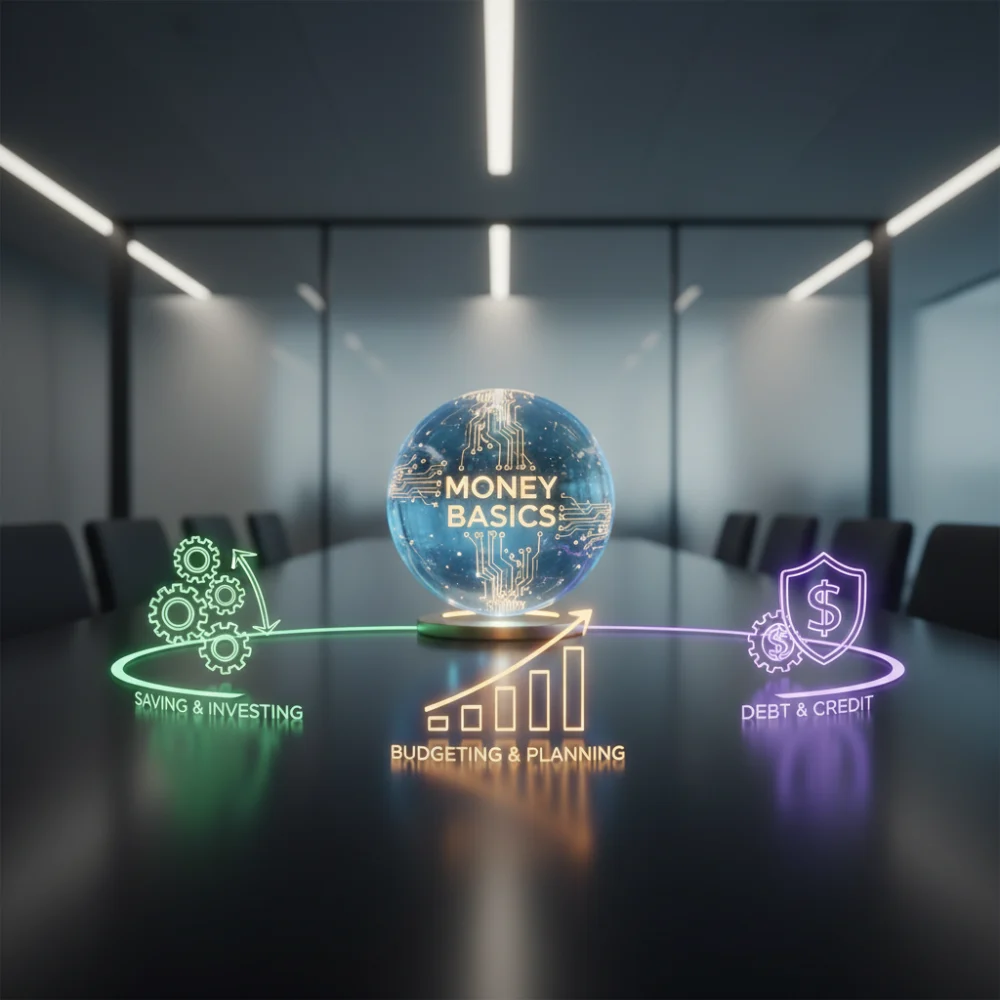
At its core, financial management revolves around three primary pillars: earning, saving, and investing. While most education systems focus heavily on the earning aspect through professional training, they often neglect the critical skills required to manage and multiply that income. Developing a clear understanding of these basics allows individuals to make informed decisions that align with their long-term life goals.
Establishing a Foundation with Cash Flow Management
The concept of cash flow is the heartbeat of personal finance. It represents the movement of money into and out of your possession. To master money basics, one must maintain a positive cash flow, where income consistently exceeds expenses. Without this surplus, it is impossible to build wealth or even maintain a stable financial lifestyle during economic downturns.
Tracking every cent that enters and leaves your bank account provides a reality check. Many are surprised to find how much they spend on non-essential items that do not add value to their lives. By identifying these leaks, you can redirect funds toward more productive uses, such as debt repayment or retirement savings.
The Strategic Role of Budgeting
Budgeting is often viewed as a restrictive practice, but in reality, it is a tool for liberation. A well-structured budget gives you permission to spend money on what truly matters while ensuring your future is secure. There are several clear approaches to budgeting that cater to different personality types and financial situations.
- The 50/30/20 Rule: This approach allocates 50% of income to needs, 30% to wants, and 20% to savings and debt repayment.
- Zero-Based Budgeting: Every single dollar is assigned a specific job at the beginning of the month, leaving a balance of zero at the end.
- The Envelope System: A cash-based method that prevents overspending in specific categories like groceries or entertainment.
Choosing the right budgeting method is less important than the consistency of applying it. The goal is to create a predictable environment where your money is working toward your objectives rather than disappearing into a void of impulse purchases.
Building an Emergency Buffer
Life is inherently unpredictable, and financial shocks are inevitable. Whether it is a medical emergency, a car repair, or sudden job loss, having a dedicated emergency fund is essential. This fund acts as a financial shock absorber, preventing you from falling into high-interest debt when things go wrong.
Financial experts generally recommend saving three to six months’ worth of essential living expenses in a liquid, easily accessible account. While this may seem daunting, starting small and consistently adding to the fund will eventually provide a sense of security that is invaluable for mental well-being and financial stability.
Navigating the Complexity of Debt
Not all debt is created equal, and understanding the distinction between good debt and bad debt is a hallmark of financial literacy. Good debt is typically viewed as an investment that will grow in value or generate income over time, such as a mortgage for a home or a loan for a high-value education. Bad debt, on the other hand, involves borrowing money to purchase depreciating assets or consumables, often at high interest rates.
Managing existing debt requires a clear and aggressive strategy. Two popular approaches include the Debt Snowball method, where you pay off the smallest balances first to build momentum, and the Debt Avalanche method, where you target the debts with the highest interest rates first to minimize total interest paid. Both require discipline and a commitment to changing the habits that led to the debt in the first place.
Introduction to Wealth Multiplication
Once a solid foundation of budgeting and debt management is established, the focus shifts to investing. Investing is the process of putting your money to work in assets that have the potential to grow over time. This is where the power of compound interest truly shines, allowing even small amounts of money to grow into significant sums over decades.
Diversification is a key principle in investing. By spreading your capital across different asset classes like stocks, bonds, and real estate, you reduce the risk of a total loss. It is important to match your investment choices with your risk tolerance and time horizon, ensuring that you do not panic during market volatility.
Long-Term Financial Security and Protection
A comprehensive approach to money basics must also include protection. Insurance is a critical component of a healthy financial plan, shielding you and your family from catastrophic financial loss. Whether it is health, life, or disability insurance, having the right coverage ensures that a single event does not wipe out years of hard-earned savings.
Finally, financial literacy is a lifelong journey. The economic landscape is constantly shifting, and staying informed about new tools, tax laws, and investment opportunities is vital. By maintaining a clear and disciplined approach to the basics, you position yourself to not only survive but thrive in any economic environment, ultimately achieving the freedom to live life on your own terms.