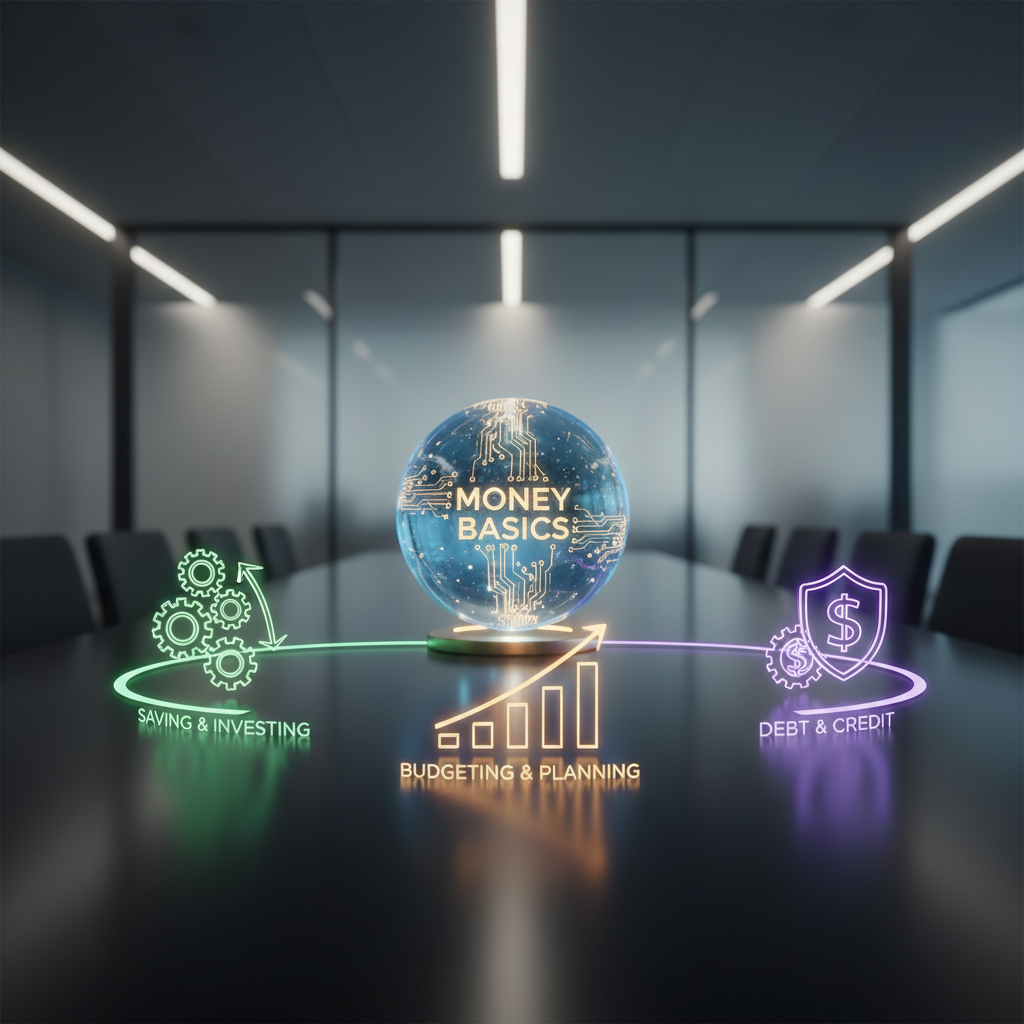






Financial literacy is the foundation upon which a secure and prosperous future is built. In a world driven by complex economic systems, the ability to understand and effectively use various financial skills is not just an advantage; it is a necessity. Financial literacy goes beyond simply knowing how to balance a checkbook; it encompasses a broad range of skills including personal financial management, budgeting, and investing. Without these skills, individuals are often ill-equipped to make informed decisions, leading to poor credit, insurmountable debt, and a lack of retirement savings.
The importance of financial education cannot be overstated. It empowers individuals to become self-sufficient and achieve financial stability. Whether you are a student just starting out, a professional climbing the career ladder, or someone approaching retirement, refining your financial literacy skills is a continuous process. By mastering these concepts, you gain the confidence to navigate financial challenges and seize opportunities that lead to wealth accumulation.
1. The Art of Strategic Budgeting
Budgeting is the cornerstone of personal finance. It is the tactical plan that dictates how your income is allocated to expenses, savings, and debt repayment. A common misconception is that budgeting restricts freedom; in reality, it creates freedom by giving you control over your money. Effective budgeting involves tracking every dollar that comes in and goes out, ensuring that you are not spending more than you earn.
One of the most effective frameworks for beginners is the 50/30/20 rule. This method suggests allocating 50% of your net income to needs (housing, groceries, utilities), 30% to wants (dining out, entertainment, hobbies), and 20% to savings and debt repayment. By adhering to a structured budget, you can identify spending leaks and redirect those funds toward wealth-building activities.
2. Understanding and Managing Debt
Not all debt is created equal, and understanding the distinction between ‘good debt’ and ‘bad debt’ is a critical financial literacy skill. Good debt, such as a mortgage or a student loan, has the potential to increase your net worth or future income. Bad debt, such as high-interest credit card balances, drains your wealth through compound interest payments without providing a return on investment.
Managing debt requires a strategic approach. Two popular methods are the Debt Snowball and the Debt Avalanche. The Snowball method focuses on paying off the smallest balances first to build psychological momentum, while the Avalanche method targets debts with the highest interest rates to save money mathematically over time. Choosing the right strategy depends on your financial situation and psychological motivators.
3. Building an Emergency Fund
Life is unpredictable, and financial shocks—such as a medical emergency, car repair, or job loss—can happen at any time. An emergency fund acts as a financial safety net, preventing you from falling into debt when these unexpected expenses arise. Financial experts generally recommend saving three to six months’ worth of living expenses in a liquid, easily accessible account.
4. The Power of Compound Interest and Investing
Saving money is important, but investing is how you build real wealth. The concept of compound interest—earning interest on your interest—is the engine of investment growth. The earlier you start investing, the more powerful this effect becomes. Financial literacy involves understanding different investment vehicles such as stocks, bonds, mutual funds, and ETFs (Exchange Traded Funds).
Diversification is another key component of investing. It involves spreading your investments across various asset classes to mitigate risk. The adage ‘don’t put all your eggs in one basket’ holds true in finance. A well-diversified portfolio balances high-risk, high-reward assets with more stable, lower-yield investments to ensure steady growth over the long term.
5. Credit Score Management
Your credit score is a numerical representation of your creditworthiness and plays a pivotal role in your financial life. Lenders, landlords, and even potential employers use this score to evaluate your reliability. A high credit score can unlock lower interest rates on loans and mortgages, saving you tens of thousands of dollars over your lifetime.
To maintain a healthy credit score, it is essential to pay bills on time, keep credit card balances low relative to your credit limits (credit utilization ratio), and avoid opening too many new accounts simultaneously. Regularly monitoring your credit report for errors is also a vital habit to prevent identity theft and ensure accuracy.
6. Retirement Planning
Retirement may seem far off, but planning for it should start as early as possible. Relying solely on government social security programs is rarely enough to maintain a comfortable lifestyle. Financial literacy requires understanding retirement accounts such as 401(k)s, IRAs (Individual Retirement Accounts), and Roth IRAs, as well as the tax advantages associated with each.
7. Tax Literacy
While you do not need to be a CPA, having a basic understanding of how taxes work is crucial. This includes knowing the difference between gross and net income, understanding tax brackets, and being aware of available deductions and credits. Proper tax planning can legally reduce your tax liability, leaving you with more money to invest and save.
8. Risk Management and Insurance
Protecting your assets is just as important as acquiring them. Insurance is a tool for risk management that transfers the financial burden of a catastrophe to an insurance company. Essential types of insurance include health, auto, homeowners or renters, and life insurance. Understanding policy terms, premiums, and deductibles ensures you have adequate coverage without overpaying.
9. The Psychology of Money
Financial literacy is not just about math; it is also about mindset. Behavioral finance explores how emotions and cognitive biases influence financial decisions. Recognizing triggers for impulsive spending or the fear of investing allows individuals to make more rational choices. cultivating a disciplined, long-term mindset is often the hardest but most rewarding skill to master.
In conclusion, financial literacy is a lifelong journey of learning and adaptation. By mastering budgeting, debt management, investing, and risk protection, you take the driver’s seat of your financial destiny. These skills provide the resilience needed to weather economic downturns and the capability to build a legacy of wealth for future generations. Start today, because the best time to improve your financial literacy is always now.