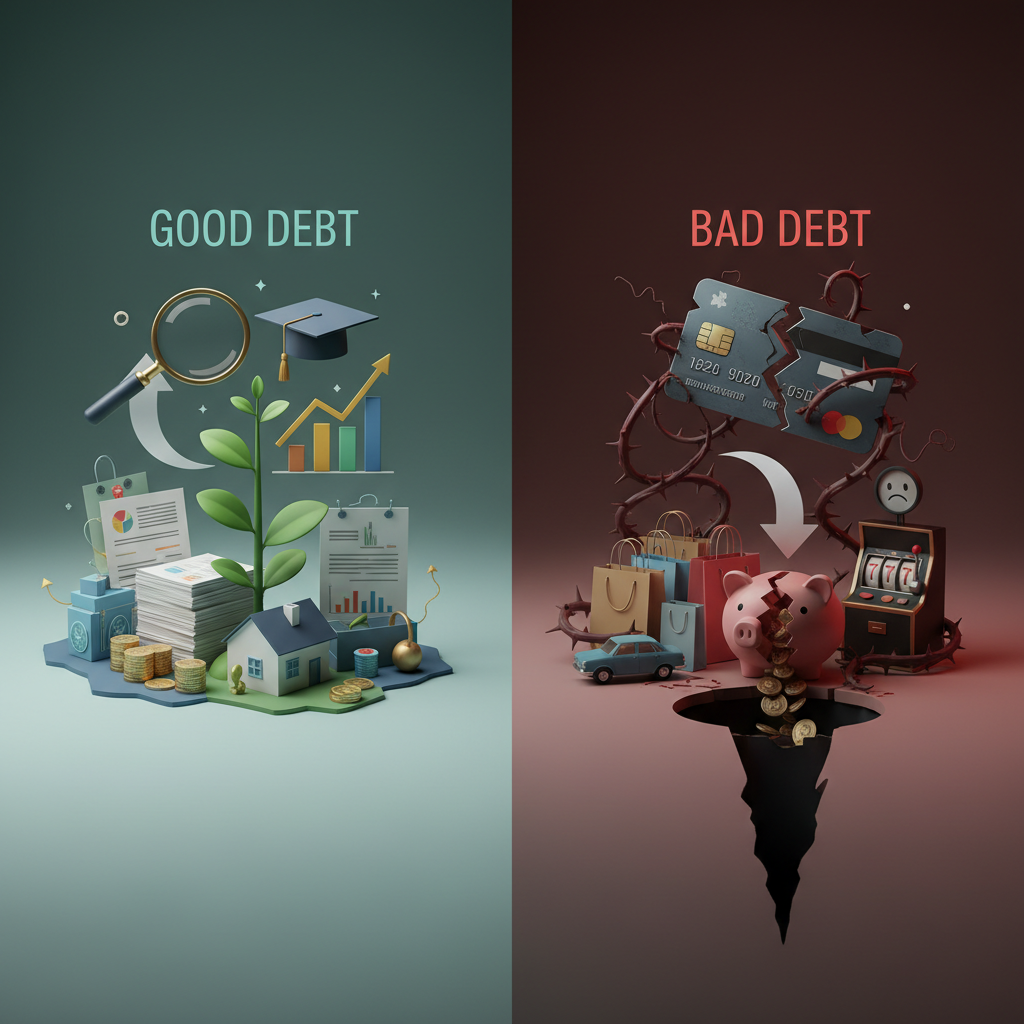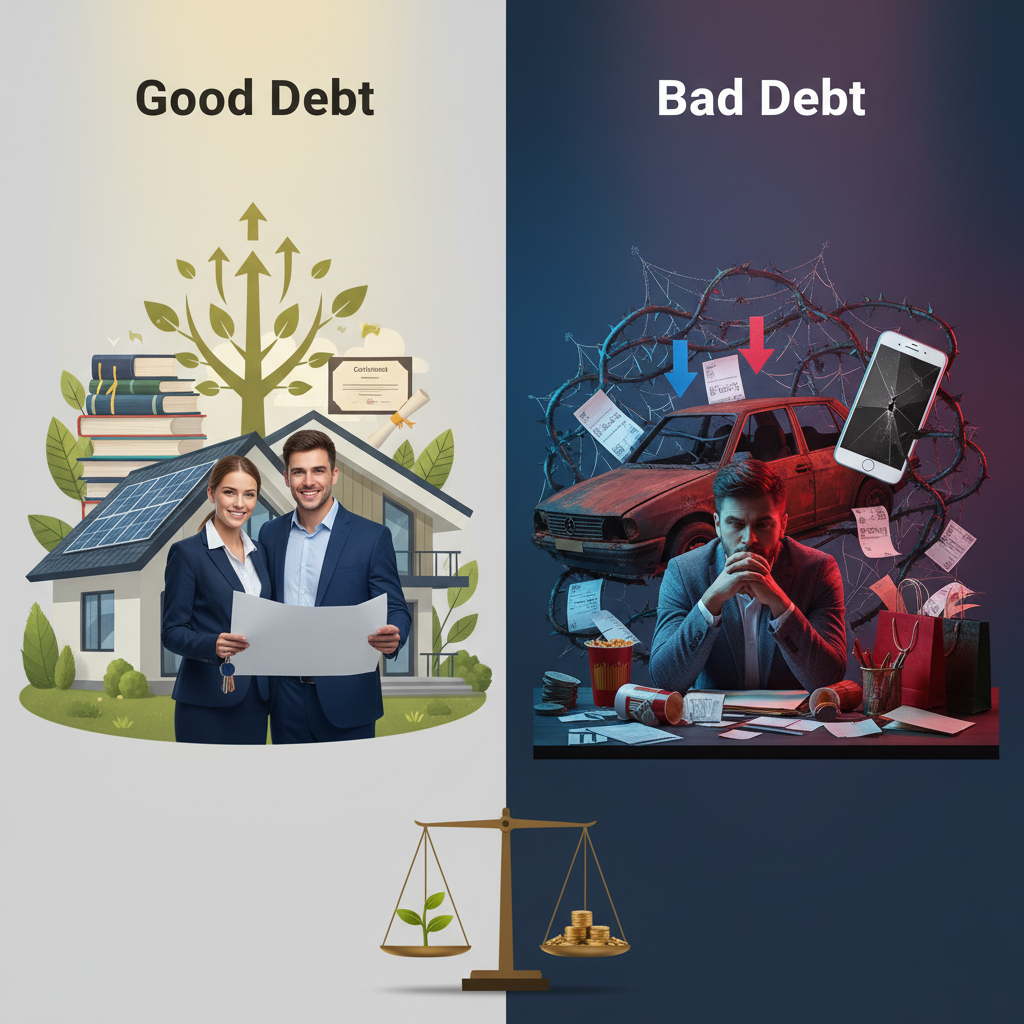






Managing debt effectively is not just about numbers; it is about reclaiming control over your financial future. Many individuals find themselves overwhelmed by multiple credit card balances, student loans, and personal lines of credit without a clear path forward. By implementing smart debt management strategies, you can transition from a state of financial stress to one of empowerment and growth.
The first step in any successful debt reduction plan is a mindset shift. Debt is often the result of systemic issues or behavioral patterns that need to be addressed. Understanding that debt is a tool that has been misused allows you to approach the solution with logic rather than shame. It is crucial to stop the bleeding by halting all new borrowing before you can effectively reduce what you owe.
To begin, you must create a comprehensive debt inventory. This involves listing every single debt you owe, including the total balance, the minimum monthly payment, and the annual percentage rate (APR). Having this data in one place provides a clear picture of your financial landscape and is the prerequisite for choosing the right repayment strategy.
The Debt Snowball Method
The Debt Snowball method is a popular strategy popularized by financial experts who prioritize psychological wins. In this method, you list your debts from the smallest balance to the largest, regardless of interest rates. You pay the minimum on everything except the smallest debt, toward which you put every extra dollar you can find. Once the smallest debt is gone, you roll that payment into the next smallest.
The Debt Avalanche Method
For those who want to save the most money on interest, the Debt Avalanche method is the superior choice. This strategy involves listing debts from the highest interest rate to the lowest. By targeting the most expensive debt first, you reduce the total amount of interest paid over time and potentially shorten your total repayment period. It requires more discipline as the initial wins may take longer to achieve.
Choosing between Snowball and Avalanche depends on your personality. If you are motivated by quick results and seeing accounts close, the Snowball method will keep you engaged. If you are mathematically driven and hate the idea of paying unnecessary interest, the Avalanche method is your best bet. Both are effective; the key is consistency and sticking to the plan until the end.
Debt Consolidation Strategies
Debt consolidation involves taking out a new loan to pay off multiple smaller debts. This can simplify your life by reducing several payments into one. Common tools include personal consolidation loans or 0% APR balance transfer credit cards. This strategy works best if the new loan has a significantly lower interest rate than your current debts and if you have the discipline not to run up the balances on the cards you just paid off.
However, consolidation is not a magic bullet. It changes the structure of your debt but does not eliminate it. Many people fall into the trap of consolidating their debt, feeling a sense of relief, and then using their now-empty credit cards to make new purchases. This results in double the debt. Only use consolidation if you have addressed the underlying spending habits that caused the debt in the first place.
Budgeting as a Foundation
No debt management strategy can survive without a functional budget. You must know exactly where your money is going each month. A zero-based budget, where every dollar is assigned a job before the month begins, is highly effective for debt repayment. It ensures that you are maximizing your debt snowball or avalanche by cutting out waste and directing surplus funds toward your goals.
Negotiating with Creditors
Many consumers do not realize that interest rates and payment terms are often negotiable. If you have a good payment history but are struggling with high interest, call your credit card company and ask for a rate reduction. Additionally, many lenders have hardship programs that can temporarily lower payments or interest rates if you are experiencing financial difficulties. It never hurts to ask for better terms.
Lifestyle Adjustments for Faster Results
Accelerating debt repayment often requires temporary lifestyle sacrifices. This might include:
- Reducing dining out and cooking at home
- Canceling unused subscriptions and memberships
- Finding low-cost or free entertainment options
- Selling items you no longer need
These small changes can free up hundreds of dollars a month to be applied directly to your principal balances.
Emergency Funds and Debt
It may seem counterintuitive to save money while you owe money, but having a small emergency fund is essential. Without a cushion of at least one to two thousand dollars, any unexpected expense like a car repair or medical bill will force you back into debt. A starter emergency fund acts as a barrier between you and new high-interest debt, allowing you to stay focused on your repayment plan.
Avoiding New Debt Cycles
While paying off old debt, you must be vigilant about not creating new debt. This often means switching to a cash or debit-only system. By removing credit cards from your wallet or deleting saved card information from online shopping sites, you create friction that makes it harder to spend impulsively. Learning to wait 24 to 48 hours before making a non-essential purchase is a powerful habit to develop.
Monitoring Credit Scores
As you pay down your debt, your credit utilization ratio will decrease, which typically leads to an increase in your credit score. Monitoring your score through free tools can provide extra motivation. A higher credit score opens doors to better financial products in the future, but remember that the primary goal is financial freedom, not just a number on a screen.
In conclusion, smart debt management is a marathon, not a sprint. It requires a combination of strategic planning, psychological awareness, and disciplined execution. By choosing a method that fits your personality, maintaining a strict budget, and protecting yourself with an emergency fund, you can break the cycle of debt and begin building real wealth. The path to financial independence starts with the decision to take ownership of your liabilities today.