




Understanding Debt in the Modern Financial Landscape
In the rapidly evolving digital economy, the concept of debt has transformed from a simple financial transaction into a complex tool for wealth creation or a potential trap for the unwary. Understanding the nuance between good debt and bad debt is no longer just a skill for financial professionals but a necessity for anyone navigating today’s market. Debt, when used strategically, can serve as a powerful lever to accelerate financial growth, yet when mismanaged, it can lead to long-term economic instability and personal stress.
The Fundamental Distinction: Value Creation vs. Consumption
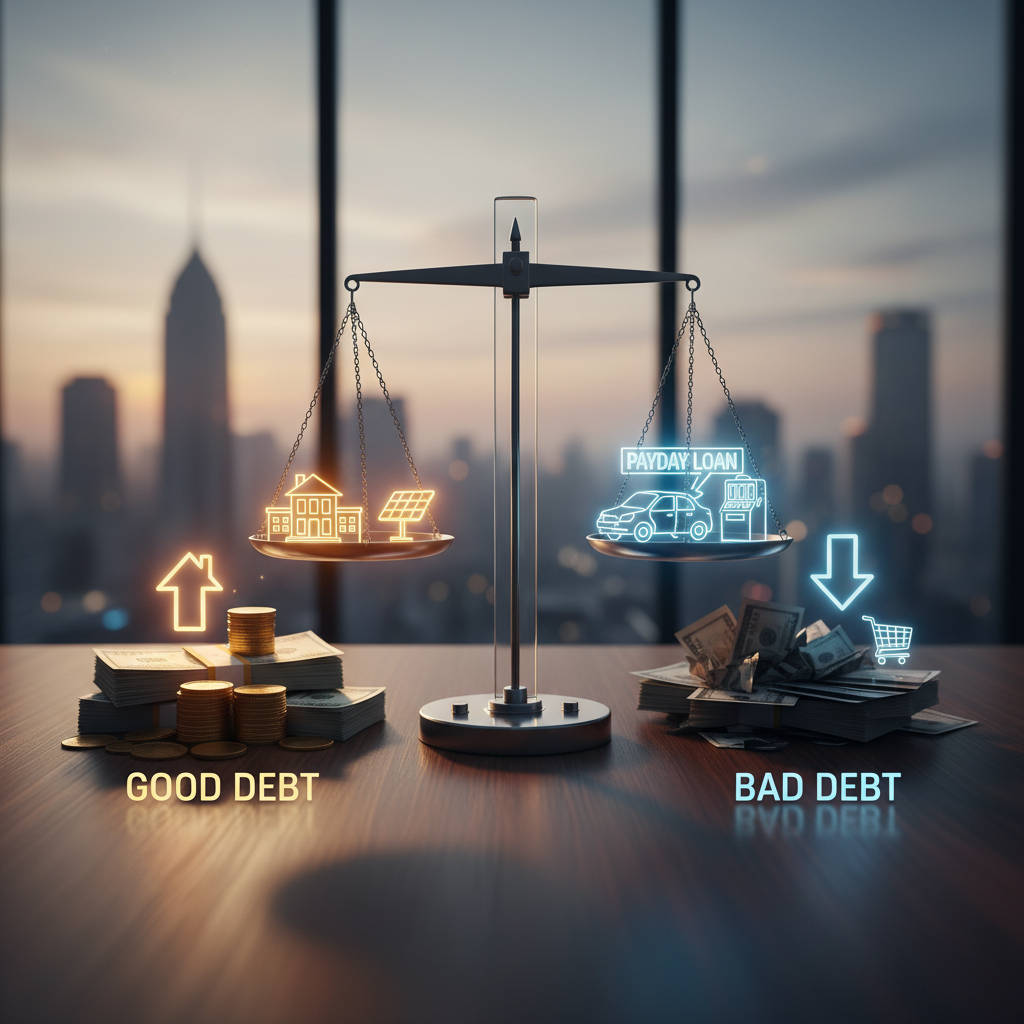
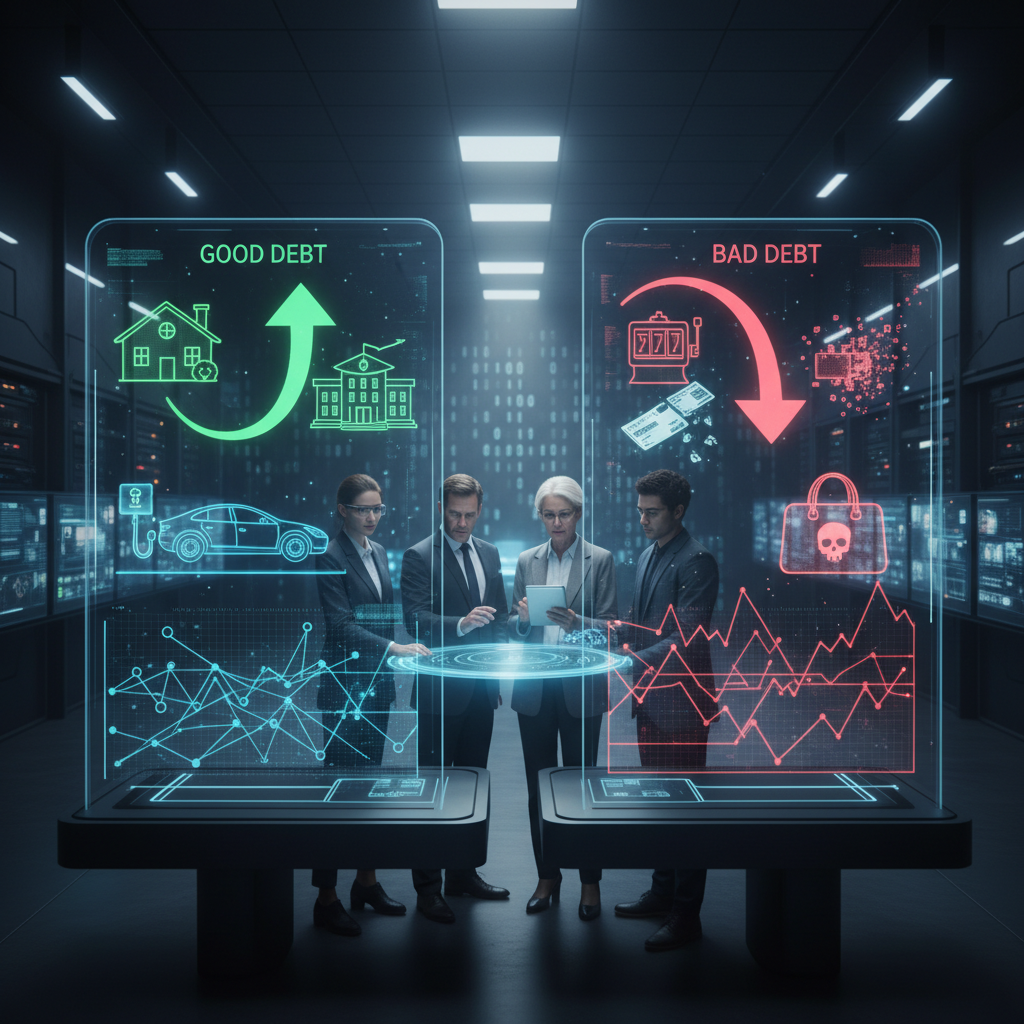
At its core, the difference between good and bad debt lies in the ultimate value the borrowed money provides. Good debt is typically defined as an investment that will grow in value or generate long-term income over time. Conversely, bad debt involves borrowing money to purchase assets that depreciate quickly or are consumed immediately, often carrying high interest rates that further erode the borrower’s net worth without providing any future benefit.
Defining the Characteristics of Good Debt
Good debt is characterized by its potential to increase your net worth or enhance your future earning capacity. It often comes with lower interest rates and may offer tax advantages in certain jurisdictions. The primary goal of taking on good debt is to ensure that the return on investment (ROI) exceeds the cost of the borrowing itself, creating a net positive impact on your financial portfolio over the long haul and allowing for sustainable wealth accumulation.
Identifying the Red Flags of Bad Debt
Bad debt is often the result of impulsive spending or a lack of financial planning. It is characterized by high interest rates, such as those found on credit cards or personal loans used for lifestyle inflation. This type of debt does not produce any income, and the items purchased—such as clothing, vacations, or high-end electronics—lose value the moment they are acquired, leaving the borrower with a liability and no offsetting asset to show for the expense.
Real Estate: The Classic Example of Good Debt
Mortgages are widely considered the gold standard of good debt. When you borrow to buy a home, you are acquiring an asset that traditionally appreciates over time while providing a necessary utility. Furthermore, real estate investments can generate rental income, which can be used to service the debt and provide additional cash flow, effectively using the bank’s money to build personal equity and secure your financial future.
Education and Human Capital Investment
Student loans are another form of good debt, provided the field of study has a strong potential for high future earnings. By investing in your own education, you are increasing your human capital. While the debt may seem daunting initially, the lifetime increase in salary often far outweighs the initial cost of the loan and the interest paid, making it a sound strategic move for career advancement and long-term economic mobility.
Strategic Business Loans for Growth
For entrepreneurs, business loans represent a vital tool for scaling operations. Taking on debt to purchase equipment, expand inventory, or hire talent can significantly boost a company’s revenue. When the profit generated by the expansion is higher than the interest on the loan, the debt acts as a catalyst for business success rather than a burden on the balance sheet, illustrating the power of leverage in a commercial context.
The Perils of High-Interest Credit Card Debt
Credit card debt is perhaps the most common form of bad debt. Because credit cards often carry double-digit interest rates, carrying a balance can quickly lead to a debt spiral. Using credit to fund a lifestyle that your current income cannot support is a dangerous path, as the interest payments alone can consume a significant portion of your monthly budget without ever reducing the principal amount effectively.
Payday Loans and Predatory Lending Practices
In the digital age, access to quick cash has become easier, but it often comes at a devastating cost. Payday loans and other forms of predatory lending are extreme examples of bad debt. These loans often feature astronomical interest rates and hidden fees that exploit individuals in financial distress, making it nearly impossible to break the cycle of borrowing once it has begun, leading to a permanent state of financial fragility.
The Impact of Fintech on Debt Accessibility
The rise of financial technology (Fintech) has revolutionized how we access credit. While digital platforms have made it easier to secure loans, they have also lowered the barriers to taking on debt. Digital lenders use sophisticated algorithms to offer personalized credit lines, which can be a double-edged sword. While it provides liquidity, it also requires a higher level of financial discipline to avoid over-leveraging oneself in an environment where borrowing is too easy.
Buy Now Pay Later (BNPL): A Modern Gray Area
The Buy Now Pay Later (BNPL) phenomenon is a uniquely digital age challenge. While these services often offer interest-free periods, they encourage consumerism and can lead to a fragmented view of one’s total debt. If not managed carefully, multiple BNPL commitments can accumulate into a significant financial burden, blurring the lines between convenient budgeting and high-risk consumer debt that can damage your credit score.
Monitoring Your Debt-to-Income Ratio
A crucial metric in distinguishing healthy debt levels is the debt-to-income (DTI) ratio. Financial experts recommend keeping your total monthly debt payments below a certain percentage of your gross monthly income. A high DTI ratio, even if the debt is technically “good,” can limit your financial flexibility and make you more vulnerable to economic downturns or unexpected life events, such as job loss or medical emergencies.
How the Wealthy Leverage Debt Strategically
It is a common misconception that the wealthy avoid debt. In reality, many high-net-worth individuals use debt as a sophisticated financial instrument. By borrowing against their existing assets at low interest rates, they can invest in high-yield opportunities without liquidating their holdings. This strategy allows them to maintain their wealth while using “other people’s money” to generate further gains, proving that debt is a tool whose value depends on the hands that hold it.
The Psychological and Emotional Toll of Debt
Beyond the numbers, debt has a profound psychological impact. Bad debt, in particular, is a major source of stress, anxiety, and relationship strain. The feeling of being “trapped” by monthly payments can hinder creative thinking and risk-taking. Conversely, managing good debt effectively can provide a sense of empowerment and progress toward long-term financial freedom, highlighting the importance of mental well-being in financial planning.
Conclusion: Cultivating Financial Literacy
Ultimately, the ability to distinguish between good and bad debt is a cornerstone of financial literacy. In the digital age, where credit is available at the click of a button, self-discipline and education are your best defenses. By focusing on debt that builds value and avoiding debt that fuels fleeting consumption, you can navigate the complexities of modern finance and build a secure, prosperous future for yourself and your family.