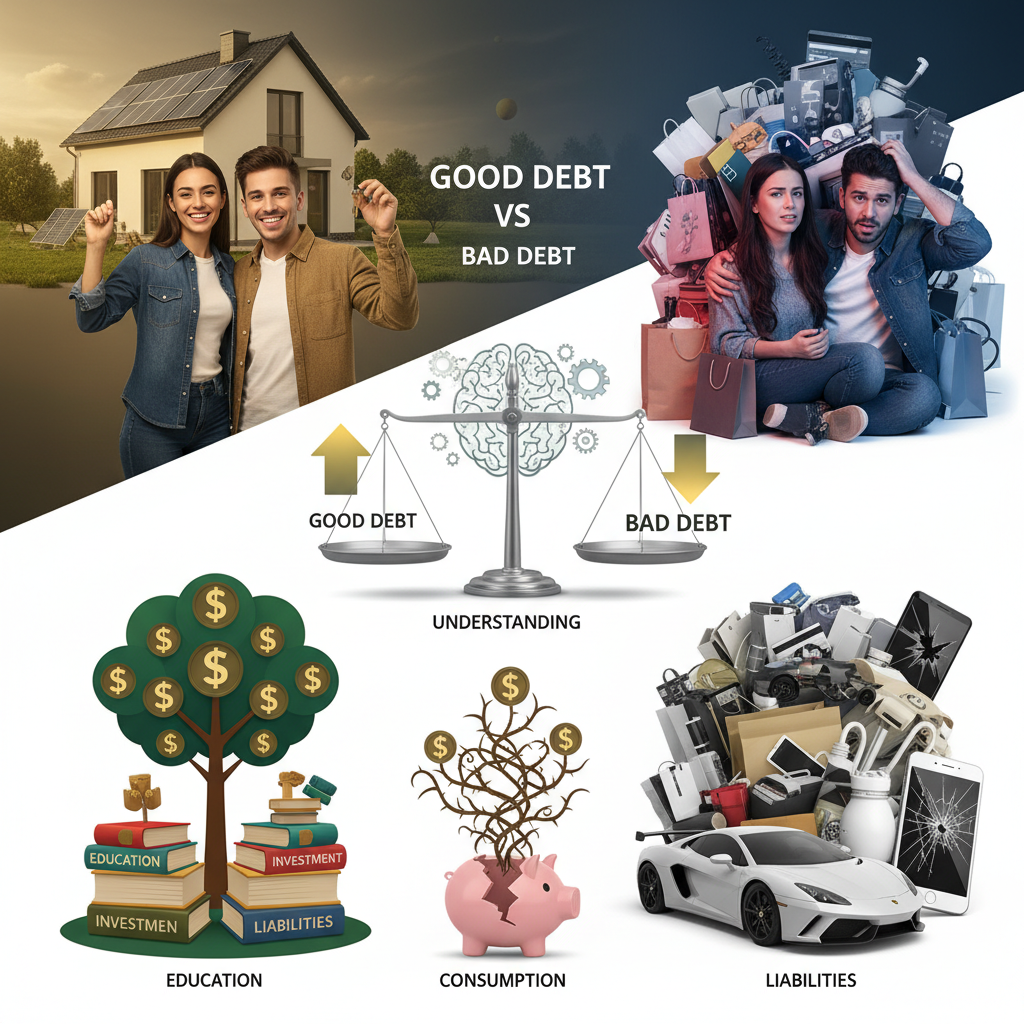






Managing debt in the modern era requires more than just a pen and paper. With the rise of digital banking, fintech apps, and complex credit structures, individuals need a sophisticated approach to regain financial control. Essential debt reduction plans now integrate traditional wisdom with high-tech tools to create a seamless path toward solvency and long-term wealth building.
The Debt Avalanche Method: Mathematical Efficiency
The Debt Avalanche method remains one of the most effective strategies for those looking to minimize interest payments over time. By listing all debts and prioritizing the one with the highest interest rate, you ensure that every extra dollar works harder for you. This approach is particularly potent when paired with digital calculators that visualize exactly how much time and money you save by tackling high-interest credit cards first.
The Debt Snowball Strategy: Psychological Momentum
While the avalanche method saves money, the Debt Snowball method builds motivation through psychological wins. By paying off the smallest balances first, users experience quick victories that provide the momentum needed to keep going. In the digital age, seeing a balance hit zero on a mobile banking app creates an immediate positive reinforcement, helping to solidify better financial habits.
Leveraging Automated Financial Apps
Technology has introduced a variety of apps designed to automate the budgeting process and track spending in real-time. Platforms like YNAB (You Need A Budget) or other modern fintech tools allow users to sync their bank accounts and categorize every transaction. These tools provide a clear overview of where money is going, making it easier to identify unnecessary expenses that could be redirected toward debt repayment.
The Power of Payment Automation
One of the simplest yet most effective digital strategies is the automation of minimum payments. By setting up automatic transfers from your checking account, you eliminate the risk of late fees and protect your credit score from damage. Once the minimums are covered, you can manually direct additional funds to your priority debt according to your chosen strategy, ensuring consistency without the need for constant manual intervention.
Debt Consolidation via Fintech Lenders
The digital age has democratized access to debt consolidation loans through peer-to-peer lending and online fintech platforms. These lenders often offer lower interest rates than traditional banks for those with fair-to-good credit scores. Consolidating multiple high-interest credit card balances into a single monthly payment with a fixed interest rate can simplify your financial life and significantly reduce the total cost of your debt.
Navigating the Risks of Buy Now, Pay Later (BNPL)
Modern consumers must be wary of the proliferation of “Buy Now, Pay Later” services. While they offer convenience, these digital micro-loans can quickly accumulate and disrupt a structured debt reduction plan. A key part of a modern strategy is recognizing these hidden liabilities and integrating them into your overall repayment schedule to avoid being blindsided by multiple small, automated deductions.
Real-Time Credit Score Monitoring
Maintaining a healthy credit score is vital for future financial flexibility and access to lower interest rates. Digital platforms provide free, real-time monitoring and alerts for any changes to your credit profile. By keeping a close eye on your credit report, you can identify errors or fraudulent activity that might hinder your progress, while also watching your score improve as your debt-to-income ratio decreases.
Digital Negotiation Techniques
Many creditors now offer online portals or secure chat services where you can negotiate interest rates or hardship payment plans without making a phone call. Using these digital communication channels to request a lower APR is a proactive step that can save thousands. Often, a simple request backed by a history of on-time payments can lead to a significant reduction in interest, accelerating your path to being debt-free.
Utilizing Digital Side Hustles for Extra Income
The gig economy provides unprecedented opportunities to increase your income and funnel that cash directly into debt repayment. Whether it is freelancing on digital marketplaces, selling items on e-commerce platforms, or participating in the sharing economy, digital platforms allow you to generate extra income streams. Applying 100% of this “found money” to your debts can drastically shorten your repayment timeline.
The Role of Digital Emergency Funds
A debt reduction plan is only as strong as the safety net supporting it. In the digital age, setting up a high-yield savings account (HYSA) is easier than ever, often offering better rates than traditional brick-and-mortar banks. Having a liquid emergency fund prevents you from reaching for a credit card when unexpected expenses arise, ensuring that your debt reduction progress remains uninterrupted during emergencies.
Gamifying Your Financial Goals
Many modern financial tools use gamification to keep users engaged with their debt reduction journey. By setting milestones and earning digital rewards or seeing progress bars fill up, the process of paying off debt becomes less of a burden and more of a rewarding challenge. This level of engagement is crucial for maintaining long-term consistency, which is the cornerstone of any successful financial transformation.
Online Communities and Peer Support
The journey to financial freedom does not have to be a solitary one. Online forums, social media groups, and digital communities provide a space for peer support and accountability. Joining a group of like-minded individuals who are also on a debt-free journey can provide valuable tips, encouragement during setbacks, and a sense of belonging that makes the difficult parts of budgeting much more manageable.
Educational Resources and Financial Literacy
The internet is a goldmine of financial education, offering everything from webinars to comprehensive podcasts on debt management. The digital age provides unlimited access to financial literacy resources that empower you to understand complex concepts like compound interest and credit utilization. This knowledge is your best defense against falling back into the debt trap in the future.
Conclusion: Embracing a Tech-Forward Financial Future
Successfully reducing debt in the digital age requires a strategic blend of disciplined methodology and the clever use of technology. By adopting a plan like the Debt Avalanche or Snowball, leveraging automation, and staying informed through digital tools, you can navigate the complexities of modern finance with confidence. The journey to financial freedom is a marathon, but with the right digital gear and a solid plan, you are well-equipped to reach the finish line and stay there.