





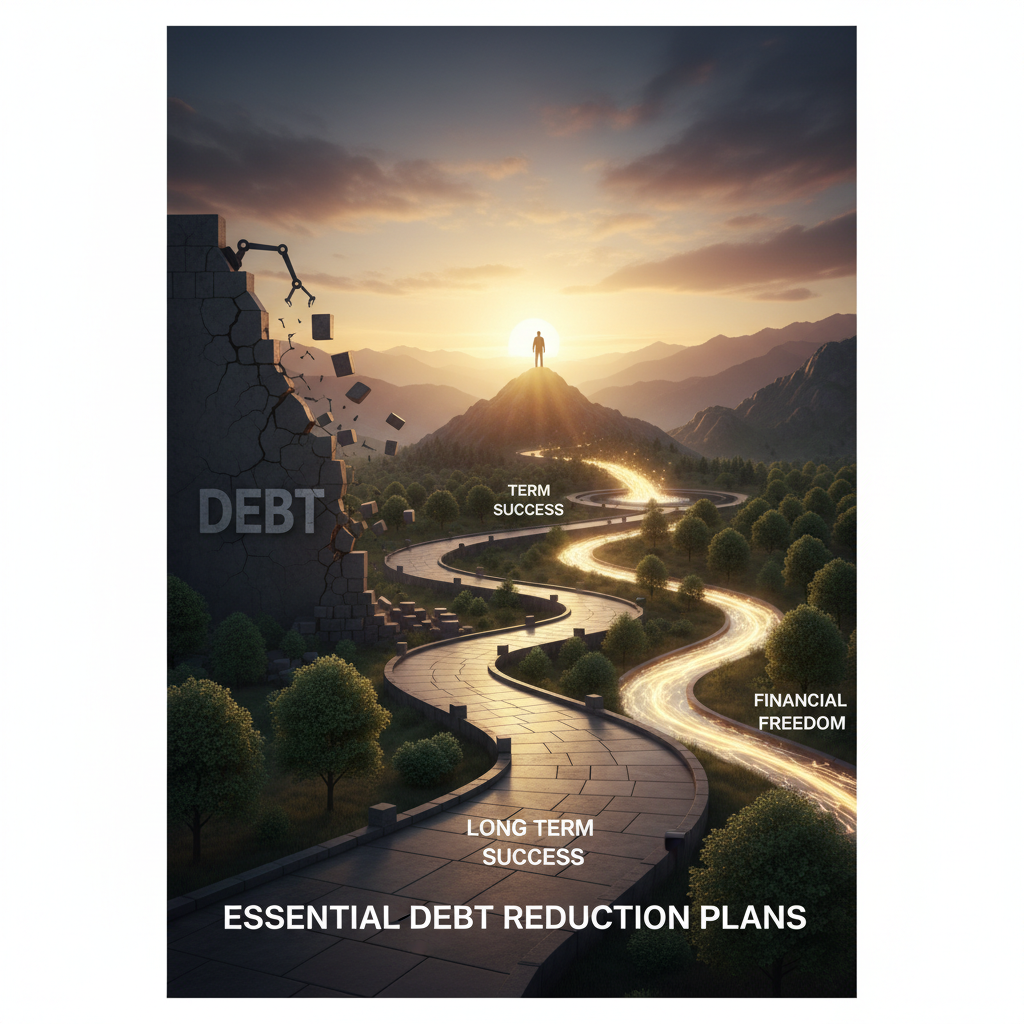
Understanding the Journey to Financial Freedom
Achieving long-term financial success requires a disciplined approach to debt reduction. Debt can often feel like an insurmountable mountain, but with the right essential debt reduction plans, anyone can regain control over their finances. The first step involves a complete shift in mindset, moving away from a cycle of borrowing and toward a culture of saving and strategic repayment. By committing to a structured plan, you lay the foundation for a future free from the stress of monthly installments and high-interest rates.
The Importance of a Comprehensive Financial Audit
Before implementing any strategy, it is crucial to conduct a thorough audit of your current financial situation. This means listing every single debt, including the total balance, interest rate, and minimum monthly payment. By seeing the full picture, you can prioritize which debt reduction strategy fits your lifestyle and financial goals best. Without this clarity, efforts often become scattered and ineffective, leading to frustration and a lack of progress in the long run.
Implementing the Debt Snowball Method
The Debt Snowball Method is one of the most popular strategies for those who need emotional motivation. In this plan, you focus on paying off the smallest debts first while maintaining minimum payments on larger ones. As each small debt is eliminated, you roll the amount you were paying into the next smallest balance. This creates a snowball effect that builds momentum and provides quick psychological wins, which are vital for maintaining consistency over several years.
Why the Snowball Method Works for Many
Many financial experts recommend the snowball method because it addresses the behavioral aspect of money management. Seeing a balance hit zero quickly provides a sense of accomplishment that encourages the individual to keep going. This long-term success is often dependent on staying motivated throughout the years-long process of becoming debt-free. By focusing on small victories, the plan transforms a daunting task into a series of achievable milestones.
Exploring the Debt Avalanche Method
For those who are more mathematically inclined, the Debt Avalanche Method is often the preferred choice. This strategy involves ranking debts by their interest rates and focusing all extra funds on the debt with the highest rate first. By tackling high-interest debt aggressively, you minimize the total amount of interest paid over time, potentially saving thousands of dollars in the process. It is a highly efficient way to reduce the total cost of your debt.
Maximizing Efficiency with the Avalanche Approach
While the avalanche method may take longer to provide the first win in terms of a closed account, it is technically the fastest way to become debt-free. It requires a high level of discipline and a long-term perspective. If you have significant high-interest credit card debt, this essential debt reduction plan is usually the most cost-effective path forward. It ensures that every extra dollar you pay is working as hard as possible to reduce your principal balance.
The Role of Debt Consolidation Loans
Debt consolidation involves taking out a new loan to pay off multiple smaller debts. This simplifies your finances by leaving you with only one monthly payment, often at a lower interest rate than your original debts. However, it is vital to ensure that the terms of the consolidation loan are truly favorable and that you do not continue to accrue new debt on your now-empty credit cards. Consolidation is a tool, but it requires a change in spending habits to be effective.
Utilizing Balance Transfer Credit Cards
Another tool in the debt reduction arsenal is the balance transfer credit card. These cards often offer a 0% introductory APR for a set period, typically 12 to 21 months. By moving high-interest balances to one of these cards, you can ensure that 100% of your payments go toward the principal balance. This can be a powerful strategy for long-term success if used responsibly and if the balance is paid off before the introductory period ends.
Budgeting with the 50/30/20 Rule
A successful debt reduction plan must be supported by a solid budget. The 50/30/20 rule suggests allocating 50% of your income to needs, 30% to wants, and 20% to savings and debt repayment. During an aggressive debt payoff phase, many choose to flip the percentages, putting 30% or more toward debt to accelerate the timeline to financial independence. Consistent budgeting ensures that you live within your means while prioritizing your financial freedom.
Negotiating Directly with Creditors
Many people do not realize that they can negotiate with their creditors. If you are struggling to make payments, reaching out to your credit card company or lender can lead to a temporary interest rate reduction or a modified payment plan. Creditors often prefer receiving partial payments over a total default, making negotiation a viable debt reduction tactic. It never hurts to ask, and the resulting savings can be significant.
Overcoming Lifestyle Inflation
One of the biggest hurdles to long-term debt reduction is lifestyle inflation. As your income increases, it is tempting to upgrade your lifestyle by spending more. To succeed, you must maintain your current standard of living and direct any raises or bonuses toward your debt. This discipline ensures that your progress is not undermined by new expenses, allowing you to reach your goal of being debt-free much faster.
The Necessity of an Emergency Fund
It may seem counterintuitive to save money while you are in debt, but having a small emergency fund is essential. Without a safety net of at least $1,000 to $2,000, any unexpected expense—like a car repair or medical bill—will force you back into debt. An emergency fund protects your debt reduction progress from being derailed by life’s uncertainties, providing a buffer between you and new high-interest loans.
Allocating Windfalls Strategically
Windfalls, such as tax refunds, work bonuses, or inheritance, should be viewed as opportunities to leap forward in your debt reduction journey. Rather than spending this extra money on luxuries, applying it directly to your highest-priority debt can shave months or even years off your repayment schedule. This proactive approach is key to long-term financial success and helps build the habit of prioritizing debt elimination.
Seeking Professional Credit Counseling
If your debt feels unmanageable despite your best efforts, professional credit counseling may be necessary. Non-profit credit counseling agencies can help you create a debt management plan (DMP) and may even negotiate lower rates on your behalf. These professionals provide the education and structure needed to navigate complex financial situations effectively, offering a lifeline to those who feel overwhelmed by their obligations.
Maintaining a Debt-Free Lifestyle
The ultimate goal of any essential debt reduction plan is not just to reach zero, but to stay there. This requires a permanent change in how you view and use credit. Building a robust savings habit, investing for the future, and only using credit cards when they can be paid in full each month are the hallmarks of long-term financial stability. True success is found in the freedom that comes with owning your income completely.