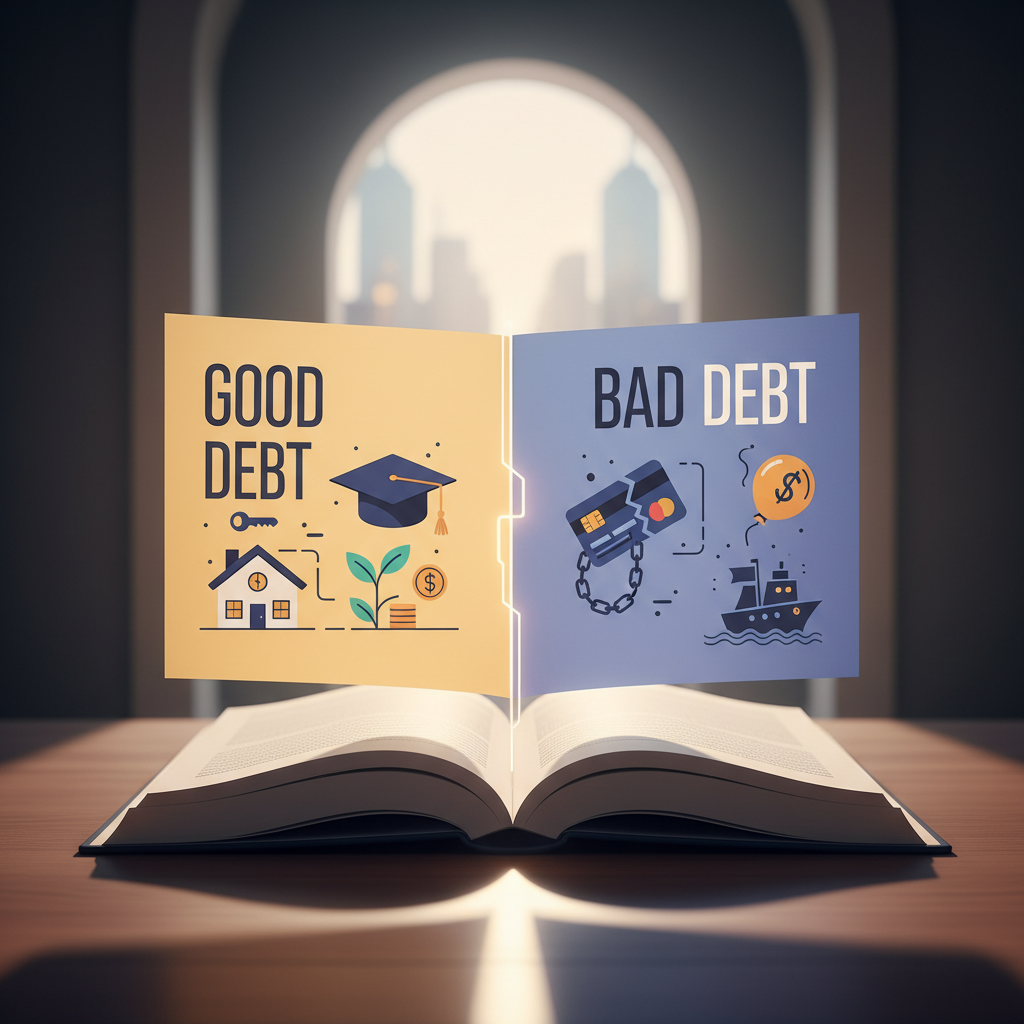






The digital age has fundamentally transformed our relationship with money, offering a level of convenience that was unimaginable a few decades ago. With just a few taps on a smartphone, consumers can access credit, purchase goods from across the globe, and manage their investments. However, this seamless integration of finance into our daily lives has also created new and sophisticated debt traps. Understanding how to navigate this landscape is essential for maintaining long-term financial health and avoiding the pitfalls of digital overconsumption.
The Rise of Buy Now Pay Later (BNPL) Schemes
One of the most prevalent features of modern e-commerce is the Buy Now Pay Later (BNPL) option. These services allow consumers to split purchases into smaller, seemingly manageable installments. While often marketed as interest-free, the danger lies in the cumulative effect of multiple active plans. When a shopper has ten different BNPL payments due in the same month, the total can quickly overwhelm their budget, leading to late fees and high-interest penalties that spiral out of control.
To avoid the BNPL trap, it is vital to treat these installments as real debt rather than just another monthly subscription. Before clicking the checkout button, ask yourself if you could afford the item in full today. If the answer is no, you are likely using credit to live beyond your means. Limiting yourself to one active installment plan at a time can help maintain clarity over your financial obligations.
The Psychology of One-Click Shopping
Digital platforms are designed to minimize friction in the buying process. Features like one-click ordering and saved payment information remove the ‘pain of paying,’ which is a psychological barrier that usually helps us reconsider unnecessary purchases. By removing this barrier, digital retailers encourage impulsive behavior that often leads to buyer’s remorse and credit card debt.
Counteracting this requires intentional friction. You can protect your finances by removing saved credit card details from your favorite shopping apps and browsers. Having to manually enter your card number provides a crucial few minutes to reflect on whether the purchase is truly necessary or just a fleeting desire triggered by a targeted advertisement.
Identifying Predatory Online Lending
The digital era has seen an explosion of online lending platforms, some of which operate outside the bounds of traditional banking regulations. These ‘fintech’ lenders often promise quick cash with minimal documentation, targeting individuals who may be in urgent need. Unfortunately, many of these platforms charge exorbitant interest rates and hidden fees that make repayment nearly impossible for the average borrower.
- Always verify if the lending platform is registered with the official financial authority in your country.
- Read the fine print regarding late payment penalties and service fees.
- Compare the Annual Percentage Rate (APR) with traditional bank loans.
- Avoid apps that request excessive permissions to your phone’s contacts or gallery.
The Importance of a Digital Budget
In an era where cash is rarely used, it is easy to lose track of where your money is going. A digital budget is no longer optional; it is a necessity. Utilizing budgeting apps that sync with your bank accounts can provide real-time data on your spending habits. Categorizing your expenses allows you to see exactly how much is being drained by digital entertainment, food delivery, and impulse shopping.
A robust budget should follow the 50/30/20 rule: 50 percent for needs, 30 percent for wants, and 20 percent for savings and debt repayment. In the digital age, ‘wants’ often masquerade as ‘needs’ due to effective social media marketing. Regularly auditing these categories ensures that your digital spending remains aligned with your actual financial goals.
Managing Lifestyle Inflation and Social Media
Social media platforms like Instagram and TikTok are powerful engines for lifestyle inflation. We are constantly bombarded with curated images of luxury, travel, and the latest gadgets. This creates a psychological phenomenon known as ‘keeping up with the Joneses’ on a global scale. The pressure to project a certain image online often leads people to fund a lifestyle through high-interest credit cards.
To combat this, it is important to practice digital minimalism. Unfollow accounts that trigger the urge to spend and remember that what you see online is a highlight reel, not a financial reality. Focusing on your own financial milestones rather than comparing yourself to others is a key mindset shift for avoiding debt in the modern world.
The Hidden Cost of Digital Subscriptions
Subscription models have become the default for everything from software to snacks. While each individual fee might seem small, the ‘subscription creep’ can silently erode your monthly savings. Many people continue to pay for services they no longer use simply because they have forgotten about the auto-renewal feature.
Perform a monthly subscription audit. Review your bank statements and cancel any service that has not provided value in the last thirty days. There are also digital tools designed specifically to track and cancel unwanted subscriptions, helping you reclaim a portion of your income that can be redirected toward an emergency fund.
Building an Emergency Fund as a Buffer
The best defense against debt is a solid emergency fund. Without a financial cushion, any unexpected expense—such as a medical bill or a car repair—inevitably leads to the use of high-interest credit. In the digital age, where financial shocks can happen instantly, having three to six months of living expenses in a liquid savings account is the ultimate safety net.
Educating Yourself on Digital Financial Security
Debt traps are not always the result of overspending; they can also result from fraud and identity theft. Cybercriminals use sophisticated phishing and social engineering tactics to gain access to financial accounts. If a criminal takes out a loan in your name, you could be left with a debt nightmare that takes years to resolve. Implementing two-factor authentication (2FA) and using strong, unique passwords for all financial apps is a critical step in debt prevention.
Conclusion: Taking Control of Your Financial Future
Avoiding debt traps in the digital age requires a combination of technological savvy and old-fashioned discipline. By understanding the mechanics of digital lending, curbing impulsive online behaviors, and maintaining a strict budget, you can enjoy the benefits of modern technology without compromising your financial freedom. Stay informed, stay disciplined, and always prioritize long-term security over short-term digital gratification.