





The Foundation of Debt Freedom
Entering the journey toward financial independence requires a clear and actionable blueprint. Debt can often feel like an insurmountable mountain, but with the right strategic approach, anyone can accelerate their path to being debt-free. The first step in this essential blueprint is acknowledging the current state of your finances without judgment, focusing instead on the proactive steps needed to reclaim your economic power and build a sustainable future.
Creating a Comprehensive Debt Inventory
Before you can effectively pay off debt, you must have a complete picture of what you owe. This involves creating a detailed list that includes the creditor name, the total balance, the interest rate, and the minimum monthly payment. Having this data in one place allows you to see the scope of the challenge and helps in deciding which repayment strategy fits your personality and financial situation best, ensuring no bill is overlooked.
The Debt Snowball Strategy
One of the most popular methods in this blueprint is the Debt Snowball. This technique focuses on psychological momentum by targeting the smallest debts first. By paying off small balances quickly, you experience immediate wins that provide the motivation necessary to tackle larger obligations later. While it may not be the most mathematically efficient method regarding interest, the psychological boost of seeing an account hit zero often leads to higher long-term success rates for many individuals.
The Debt Avalanche Strategy
For those focused on mathematical efficiency, the Debt Avalanche is the preferred choice. This method prioritizes debts with the highest interest rates first. By targeting high-interest debt, you minimize the total amount of interest paid over time, potentially saving thousands of dollars and shortening the repayment period. This approach requires significant discipline, as it may take longer to see a completely cleared balance compared to the snowball method, but the financial savings are undeniable.
Establishing a Zero-Based Budget
A successful debt payoff plan is impossible without a strict budget. A zero-based budget ensures that every dollar you earn is assigned a specific task before the month begins. By tracking your income and expenses meticulously, you can identify leaks in your spending and redirect those funds toward your debt. This level of intentionality is the cornerstone of any effective financial blueprint, turning passive spending into active debt reduction.
Reducing Variable Expenses
To find extra cash for debt payments, you must scrutinize your variable expenses. Consider the following adjustments:
- Canceling unused subscriptions and streaming services.
- Reducing dining out and prioritizing home-cooked meals.
- Switching to more affordable service providers for insurance or mobile plans.
- Utilizing cashback apps and coupons for essential grocery purchases.
These small, consistent changes can add up to significant monthly savings that accelerate your progress.
Increasing Your Income Streams
While cutting costs is vital, increasing your income can drastically shorten your debt-free timeline. Whether it is taking on a part-time job, engaging in freelance work, or selling items you no longer need, every extra cent should be funneled directly into your debt repayment plan. This income boost acts as a powerful catalyst, propelling you through your blueprint much faster than relying solely on your primary salary.
Exploring Debt Consolidation Options
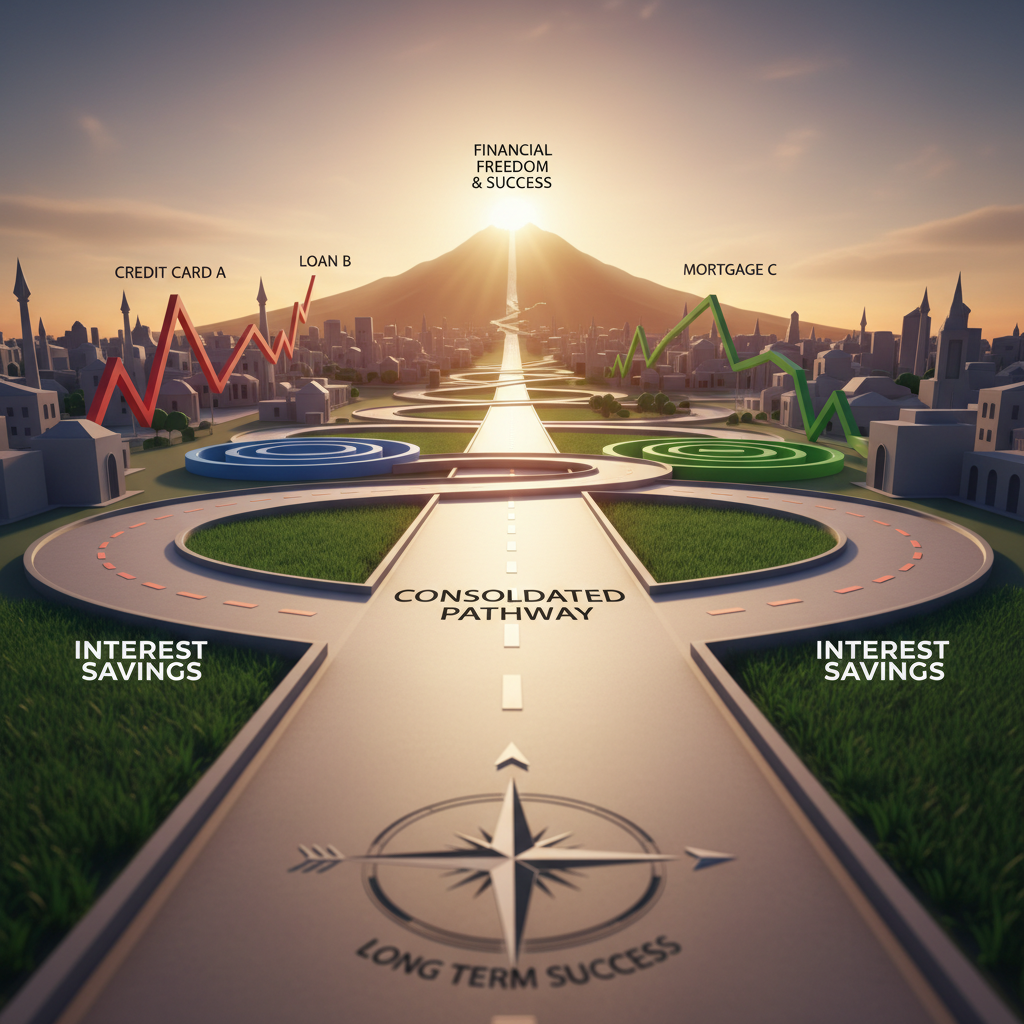
Debt consolidation can be a powerful tool if used correctly. It involves taking out a new loan with a lower interest rate to pay off multiple high-interest debts, such as credit cards. This simplifies your monthly obligations into a single payment and reduces the total interest burden. However, it is crucial to address the underlying spending habits that led to the debt in the first place, or you risk accumulating even more debt on top of the consolidation loan.
Negotiating with Creditors
Many consumers do not realize that interest rates and payment terms are often negotiable. Contacting your creditors to request a lower interest rate can significantly reduce the cost of your debt. Explain your commitment to repayment and ask if they have any hardship programs or promotional rate reduction offers. Even a small reduction in interest can save a substantial amount over the life of the loan, allowing more of your payment to go toward the principal balance.
Maintaining a Starter Emergency Fund
It may seem counterintuitive to save money while in debt, but a starter emergency fund is essential for long-term success. Having a small cushion, typically one month’s expenses, prevents you from relying on credit cards when unexpected costs arise, such as car repairs or medical bills. This fund acts as a vital safety net that keeps your debt payoff momentum from being derailed by life’s inevitable surprises.
The Strategic Use of Windfalls
Throughout the year, you may receive unexpected money such as tax refunds, work bonuses, or inheritance. Instead of treating these as opportunities for lifestyle creep, apply them immediately to your debt. These one-time payments can shave months or even years off your repayment schedule, providing a significant leap forward in your blueprint without affecting your regular monthly budget.
Avoiding New Debt Accumulation
The golden rule of paying off debt is to stop adding to it. This often requires a temporary lifestyle shift, such as cutting up credit cards or removing saved payment information from online retailers. Transitioning to a cash-only or debit-based spending habit ensures that you are only spending what you actually have, allowing your debt balances to move in only one direction: down.
Tracking and Visualizing Your Progress
Staying motivated over several months or years is difficult. Visual aids, such as debt thermometers or progress charts posted on your fridge, can make the journey more tangible. Celebrating small milestones, like paying off a specific card or reaching a 50% reduction in total debt, keeps morale high and reinforces the positive financial habits you are building every day.
Seeking Professional Guidance
If your debt situation feels overwhelming or unmanageable, seeking help from a non-profit credit counseling agency can provide a structured path forward. These organizations can offer Debt Management Plans (DMPs) that often include negotiated lower interest rates and a consolidated payment structure. Professional advice can provide the clarity and support needed when the financial burden feels too heavy to carry alone.
Conclusion: Embracing a Debt-Free Future
Following this essential blueprint requires discipline, sacrifice, and persistence. However, the reward of financial freedom is worth every effort. Once the debt is gone, the money that used to go to creditors can be used to build true wealth, invest in your future, and live a life free from the stress of monthly payments. Stay committed to the process, remain consistent, and your future self will thank you for the freedom you have earned.