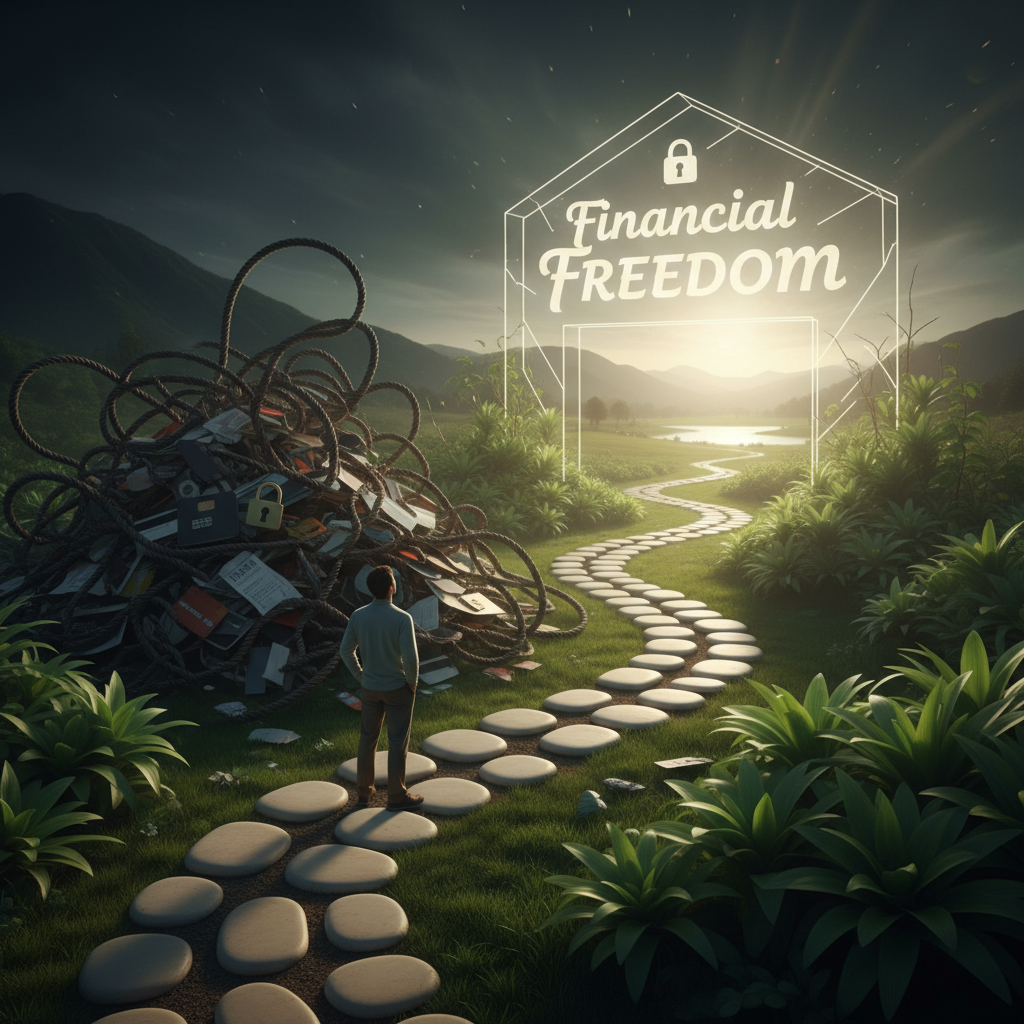






Managing loans can often feel like an uphill battle, especially when interest rates fluctuate and life’s unexpected expenses arise. To maintain financial health, one must adopt Essential Managing Loans Without Financial Stress Approaches that prioritize both fiscal responsibility and mental peace. This journey begins with a fundamental shift in perspective, viewing debt not as a permanent burden but as a manageable financial obligation that requires a structured roadmap.
Comprehensive Debt Assessment
The first step in any successful debt management plan is a thorough audit of all existing liabilities. You must list every loan, including personal loans, credit card balances, mortgages, and student debt. For each item, record the total balance, the minimum monthly payment, and the annual percentage rate (APR). Having a clear overview of your financial landscape allows you to identify which debts are the most expensive and which ones require immediate attention.
Once you have a complete list, it is crucial to categorize them based on their impact on your credit score and overall financial liquidity. High-interest debt, particularly from credit cards, should often be prioritized because the compounding interest can quickly spiral out of control. By visualizing the data, you remove the ambiguity that often fuels financial anxiety and replace it with actionable information.
Implementing the Debt Avalanche Method
One of the most mathematically sound strategies is the Debt Avalanche method. This approach involves making the minimum payments on all your debts while directing any extra funds toward the loan with the highest interest rate. Once that high-interest debt is cleared, you move on to the next one. This method is highly effective because it minimizes the total interest paid over time, effectively saving you money in the long run.
Utilizing the Debt Snowball Method
For those who find motivation through quick wins, the Debt Snowball method might be more appropriate. Instead of focusing on interest rates, you pay off the smallest balance first. The psychological boost gained from crossing a debt off your list can provide the momentum needed to tackle larger balances. While it may result in paying more interest than the avalanche method, the behavioral reinforcement is invaluable for staying committed to the plan.
The Role of Strict Budgeting
A debt management plan is only as strong as the budget that supports it. You must create a realistic monthly budget that accounts for all essential living expenses while earmarking a specific portion of your income for debt repayment. Utilizing tools like the 50/30/20 rule can help ensure that 50% of your income goes to needs, 30% to wants, and 20% to savings and debt repayment. Consistent tracking of expenses prevents lifestyle creep from eating into your repayment funds.
Negotiating with Lenders
Many borrowers are unaware that they can negotiate the terms of their loans. If you are struggling to meet your payments, reaching out to your lender to discuss a lower interest rate or a temporary forbearance can be a game-changer. Lenders often prefer to receive smaller payments than to deal with a default. Being proactive in communication demonstrates financial maturity and responsibility, often leading to more flexible repayment options.
Debt Consolidation Strategies
Debt consolidation involves taking out a new loan to pay off multiple smaller debts, ideally at a lower interest rate. This simplifies your finances by leaving you with only one monthly payment. However, it is essential to ensure that the terms of the consolidation loan are truly beneficial.
- Check for hidden fees.
- Compare the total interest cost.
- Ensure you do not rack up new debt on the cleared cards.
Building an Emergency Fund
It might seem counterintuitive to save money while you are in debt, but having a small emergency fund is vital. Without a safety net, any unexpected expense—like a car repair or medical bill—will likely be put on a credit card, further increasing your debt. Aim for a starter emergency fund of at least one to three months of essential expenses to break the cycle of borrowing and provide a buffer against stress.
Automating Your Finances
Automation is a powerful tool for reducing financial stress. By setting up automatic transfers for your loan payments, you eliminate the risk of late fees and the mental energy required to remember due dates. Automation ensures consistency, which is the cornerstone of any successful financial strategy. Most banks offer these features, and some lenders even provide a small interest rate discount for borrowers who use autopay.
Increasing Your Cash Flow
Sometimes, the gap between income and debt is too wide to bridge with budgeting alone. In such cases, seeking ways to increase your income can accelerate your path to freedom. This could include:
- Taking on freelance work or a side hustle.
- Selling items you no longer need.
- Negotiating a raise at your current job based on performance.
Every extra dollar earned should be funneled directly into your debt repayment plan to maximize impact.
Refinancing for Better Terms
Refinancing is particularly effective for long-term loans like mortgages or student loans. When market interest rates drop, or if your credit score has improved significantly since you first took out the loan, you may qualify for a much lower rate. Refinancing can lower your monthly payments and reduce the total amount of interest paid over the life of the loan, providing significant financial relief and freeing up cash for other priorities.
Avoiding Predatory Lending Practices
When under financial pressure, it is easy to fall prey to quick fix solutions like payday loans or high-interest title loans. These products often come with exorbitant fees and interest rates that can trap you in a permanent cycle of debt. Always research lenders thoroughly and look for transparent terms and conditions. If a deal seems too good to be true, it likely is, and you should seek advice from a certified credit counselor instead.
Psychological Resilience and Debt
Managing debt is as much a mental challenge as it is a financial one. The stress of owing money can lead to burnout and poor decision-making. It is important to practice self-care and maintain a positive outlook. Celebrate small milestones and remind yourself that financial freedom is a marathon, not a sprint. Seeking support from financial counselors or support groups can also provide the necessary encouragement to stay on track.
Monitoring and Adjusting the Plan
Financial situations are dynamic. A strategy that works today might need adjustment in six months. Regularly review your progress and be willing to pivot if your income changes or if you encounter new financial goals. Using apps or spreadsheets to visualize your declining debt balance can serve as a powerful motivator to keep going until you are completely debt-free and financially independent.
Conclusion: A Future of Financial Stability
Adopting these Essential Managing Loans Without Financial Stress Approaches is not just about paying off what you owe; it is about building a foundation for a secure future. By combining mathematical strategies with behavioral changes and proactive communication, you can regain control of your finances. Consistency and discipline are your greatest allies in the journey toward a life free from the weight of debt and full of financial opportunity.