





Introduction to Stress-Free Loan Management
Managing debt is often perceived as a daunting task that inevitably leads to anxiety. However, with the right strategies, it is possible to handle loans without compromising your mental well-being. Understanding the fundamental principles of debt management is the first step toward achieving financial freedom and reducing the daily stress associated with monthly obligations. By taking a proactive approach, you can transform your financial outlook and gain control over your economic future.
Understanding Your Debt Profile
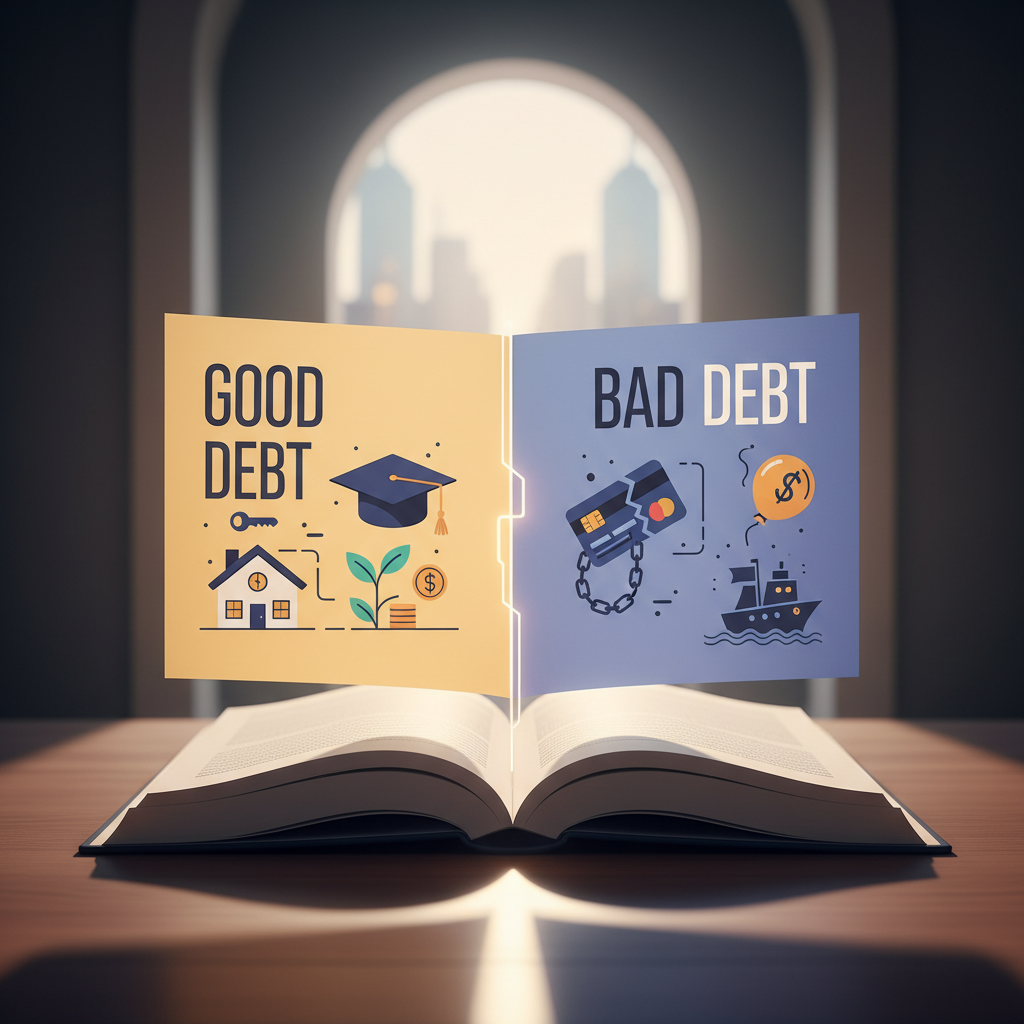
Before implementing any strategy, you must have a clear overview of your financial landscape. This involves listing every single loan, including credit cards, personal loans, mortgages, and student debt. Knowing the interest rates, minimum payments, and total balances allows you to categorize your debt and decide which ones require immediate attention. Transparency with yourself is critical to avoid the common trap of ignoring debt until it becomes unmanageable.
The Power of a Realistic Budget
A budget is the cornerstone of any successful financial plan. By tracking your income and expenses, you can identify areas where you can cut back to allocate more funds toward loan repayment. A realistic budget ensures that you are not overextending yourself, which is a primary cause of financial stress. Using tools like spreadsheets or mobile apps can simplify this process significantly and provide real-time updates on your spending habits.
Prioritizing Debt with the Avalanche Method
The Debt Avalanche method focuses on paying off loans with the highest interest rates first while making minimum payments on others. This strategy is mathematically the most efficient way to save money on interest over time. By targeting high-interest debt, you reduce the total cost of your borrowing and shorten the overall repayment period. It requires discipline but offers the fastest route to total debt elimination.
Building Momentum with the Snowball Method
For those who need psychological motivation, the Debt Snowball method is highly effective. This approach involves paying off the smallest balances first. The sense of accomplishment gained from eliminating a debt entirely provides the emotional boost needed to tackle larger balances. It transforms a long-term goal into a series of manageable wins, making the process feel less overwhelming and more achievable.
Negotiating with Lenders for Better Terms
Many borrowers are unaware that they can negotiate with their creditors. If you are struggling to make payments, contacting your lender to discuss a lower interest rate or a temporary payment plan can provide significant relief. Lenders often prefer receiving partial payments over a complete default, making them more open to negotiation than you might think. Professional communication can lead to significant savings and reduced pressure.
Exploring Debt Consolidation Options
Debt consolidation involves taking out a new loan to pay off multiple smaller debts. This can simplify your finances by leaving you with only one monthly payment and potentially a lower interest rate. However, it is crucial to ensure that the terms of the consolidation loan are truly more favorable than your current situation to avoid falling further into debt. Always read the fine print regarding fees and repayment terms.
The Importance of an Emergency Fund
It may seem counterintuitive to save money while you owe money, but an emergency fund is essential. Having a small financial cushion prevents you from taking on new debt when unexpected expenses like car repairs or medical bills arise. Aim for a modest goal initially, such as one thousand dollars, before aggressively paying down loans. This safety net is a vital component of stress reduction.
Avoiding the Trap of New Debt
While paying off existing loans, it is imperative to stop accumulating new debt. This requires a shift in mindset and spending habits. Using cash or debit instead of credit cards can help you stay within your means. Breaking the cycle of dependency on credit is vital for long-term financial health and ensures that your repayment efforts are not neutralized by new spending. Discipline today leads to freedom tomorrow.
Automating Your Payments for Consistency
Automation is a powerful tool for managing loans effectively. Setting up automatic transfers for your monthly payments ensures that you never miss a deadline. This not only helps you avoid late fees and penalties but also protects your credit score, which is vital for your future financial opportunities. Automation removes the mental burden of remembering due dates and reduces the chance of human error.
Monitoring Your Credit Score Regularly
Your credit score is a reflection of your financial health. Regularly checking your credit report allows you to spot errors and monitor your progress. As you pay down debt, your score will likely improve, which can lead to better interest rates if you ever need to refinance or take out a necessary loan in the future. Many banks now provide free credit monitoring services that you should utilize.
Seeking Professional Financial Advice
If your debt feels unmanageable, seeking help from a professional credit counselor can provide a path forward. These experts can help you create a personalized debt management plan and offer advice on how to deal with creditors. Professional guidance can turn an overwhelming situation into a structured and achievable roadmap, providing clarity and reducing the emotional weight of financial struggles.
Making Strategic Lifestyle Adjustments
Accelerating loan repayment often requires temporary lifestyle changes. This might include reducing discretionary spending on dining out, entertainment, or luxury subscriptions. While these sacrifices may feel difficult in the short term, the long-term benefit of being debt-free and the removal of financial stress far outweigh the temporary inconvenience. Focus on your long-term vision rather than short-term gratification.
Understanding Tax Benefits and Deductions
Some types of loans offer tax advantages that can ease your financial burden. For instance, interest paid on mortgages or student loans may be tax-deductible in certain jurisdictions. Understanding these benefits can help you optimize your tax returns and redirect those savings toward your principal balances. Consult with a tax professional to ensure you are maximizing your eligible deductions.
Celebrating Financial Milestones
The journey to becoming debt-free is often a long one. It is important to acknowledge and celebrate your progress along the way. Whether it is paying off a specific credit card or reaching a certain percentage of your goal, celebrating these milestones keeps you motivated and focused on the ultimate prize of financial independence. Small rewards can prevent burnout and keep your momentum high.
Conclusion: Achieving Peace of Mind
Managing loans without stress is not about magic tricks but about discipline, strategy, and patience. By implementing these insights, you can take control of your finances rather than letting them control you. Remember that financial stability is a marathon, not a sprint, and every step you take brings you closer to a life free from the weight of debt. Start today, stay consistent, and enjoy the peace of mind that comes with financial clarity.