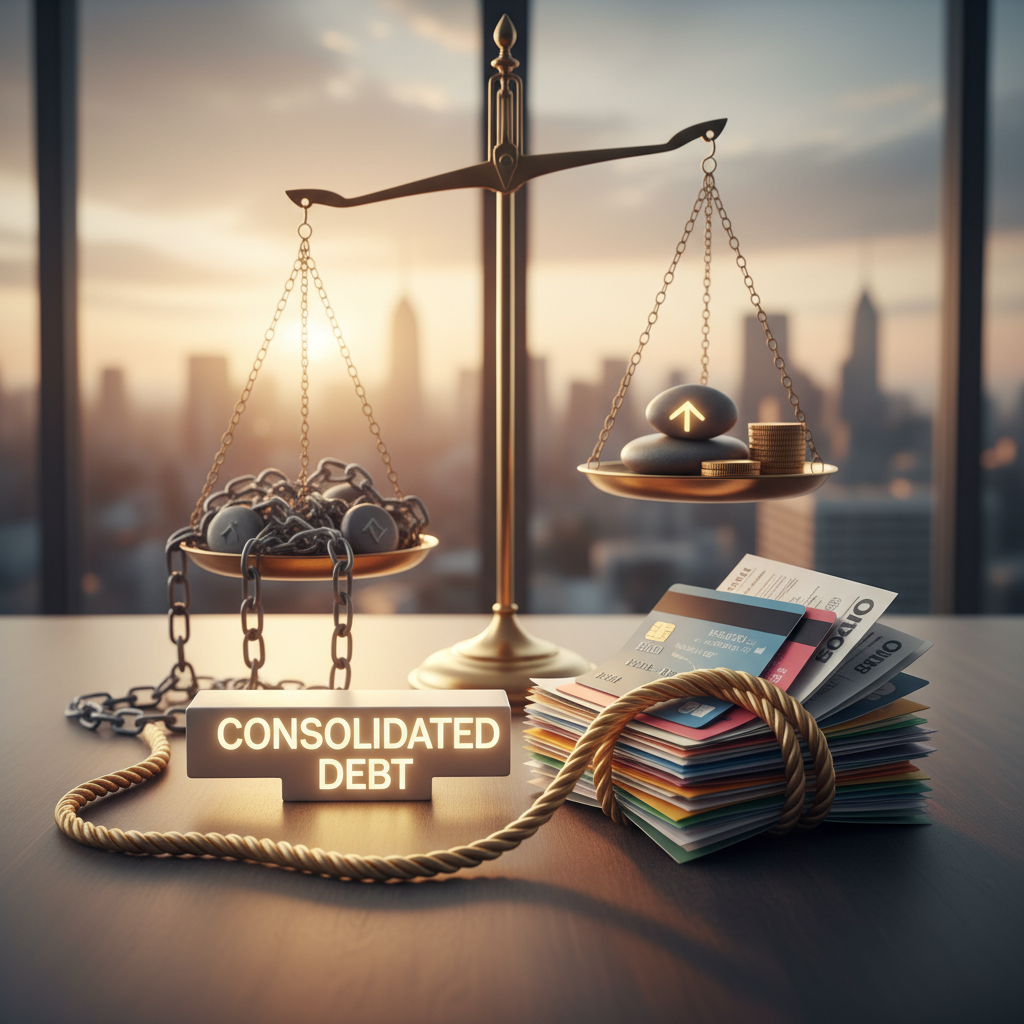






Understanding Your Financial Reality
The first step to escaping the cycle of debt is to have a clear and honest view of your financial situation. Many beginners feel overwhelmed because they avoid looking at the numbers, but transparency is the foundation of recovery. You must gather all your statements, including credit cards, personal loans, and student debt, to understand exactly what you owe and to whom. Without a comprehensive list, it is impossible to create a strategic plan that actually works.
Creating a Comprehensive Debt Inventory
Once you have gathered your documents, create a master list of your debts. This list should include the name of the creditor, the total balance, the interest rate, and the minimum monthly payment. Organizing your debt in this manner allows you to see which debts are costing you the most in interest and which ones can be paid off quickly. This inventory serves as your roadmap for the coming months and years of your financial journey.
The Importance of a Realistic Budget
A budget is not a restriction; it is a tool for freedom. For beginners, the word budget often sounds intimidating, but it simply means giving every dollar a job. By tracking your income and expenses, you can identify areas where money is leaking. Effective budgeting ensures that you are prioritizing debt repayment over non-essential spending, which is crucial for making permanent changes to your financial health.
Implementing the Debt Snowball Method
One of the most popular strategies for beginners is the Debt Snowball method. This approach involves paying off your smallest debts first while maintaining minimum payments on larger ones.
- Pay off the smallest balance first.
- Roll that payment into the next smallest debt.
- Build momentum as debts disappear.
This method focuses on psychological wins, which help keep you motivated to continue the process until all debts are gone.
Utilizing the Debt Avalanche Strategy
If you prefer a more analytical approach, the Debt Avalanche method might be for you. This strategy prioritizes debts with the highest interest rates first. By tackling high-interest debt, you minimize the total amount of interest paid over time, saving you money in the long run. While it might take longer to see a debt completely disappear compared to the snowball method, the mathematical efficiency of the avalanche method is undeniable.
Cutting Unnecessary Expenses
To accelerate your debt repayment, you must find ways to increase the gap between your income and your spending. This often requires making temporary sacrifices. Look at your recurring subscriptions, dining out habits, and impulse purchases. Drastic cuts in the short term can lead to massive gains in the long term. Remember, every dollar you save from your lifestyle can be redirected toward your debt principal.
Building an Initial Emergency Fund
It may seem counterintuitive to save money while you are in debt, but having a small emergency fund is vital. Aim for a starter fund of $1,000 to $2,000. This financial safety net prevents you from reaching for a credit card when an unexpected car repair or medical bill arises. Without an emergency fund, you are likely to fall back into the debt cycle the moment life becomes unpredictable.
Negotiating with Your Creditors
Many beginners do not realize that they can negotiate with their creditors. If you have a good payment history but are struggling with high interest rates, call your credit card company and ask for a reduction. Effective communication can sometimes lead to lower rates or even a temporary hardship program. Lowering your interest rates means more of your monthly payment goes toward the actual balance rather than interest charges.
Increasing Your Income Streams
While cutting expenses is important, there is a limit to how much you can cut. However, there is no limit to how much you can earn. Consider taking on a side hustle, selling items you no longer use, or asking for a raise at work. Boosting your income provides the extra fuel needed to burn through your debt faster. Even an extra $200 a month can make a significant difference in your repayment timeline.
Avoiding New Debt at All Costs
The golden rule of escaping debt is to stop digging the hole. You must commit to not taking on any new debt while you are paying off the old ones. This often means cutting up credit cards or locking them away so they cannot be used for impulsive purchases. Transitioning to a cash or debit-only lifestyle ensures that you are only spending money you actually have, which is a fundamental shift in financial behavior.
Addressing the Psychology of Spending
Debt is often a symptom of deeper behavioral patterns. To escape debt permanently, you must understand why you spent more than you earned in the first place. Whether it is emotional spending, social pressure, or lack of planning, identifying your triggers is key. Once you understand the ‘why’ behind your spending, you can develop healthier coping mechanisms that do not involve a credit card.
The Power of Automation
One way to ensure consistency in your debt repayment is to automate your payments. Set up automatic transfers from your checking account to your debt accounts on the day you get paid. Automation removes the temptation to spend that money elsewhere and ensures that you never miss a payment, which also helps protect your credit score during the process.
Tracking Your Progress Visually
Debt repayment can be a long and tiring process. To stay motivated, use visual trackers like charts or graphs. Seeing the numbers go down and the progress bars fill up provides a sense of accomplishment. Celebrate small milestones, such as paying off a specific card or reaching the halfway point, to keep your spirits high and your focus sharp.
Seeking Professional Credit Counseling
If your debt feels truly unmanageable, consider seeking help from a non-profit credit counseling agency. These organizations can provide personalized advice and may offer Debt Management Plans (DMPs) that consolidate your payments and lower your interest rates. Professional guidance can provide a structured environment and expert oversight for those who find it difficult to stay disciplined on their own.
Maintaining a Debt-Free Lifestyle Long-Term
Once the debt is finally gone, the work does not stop. You must transition from a debt-repayment mindset to a wealth-building mindset. Continue your budgeting habits, increase your emergency fund to cover 3-6 months of expenses, and begin investing for the future. Permanent financial freedom is achieved by maintaining the discipline you learned during your debt-free journey and never returning to the habits of the past.