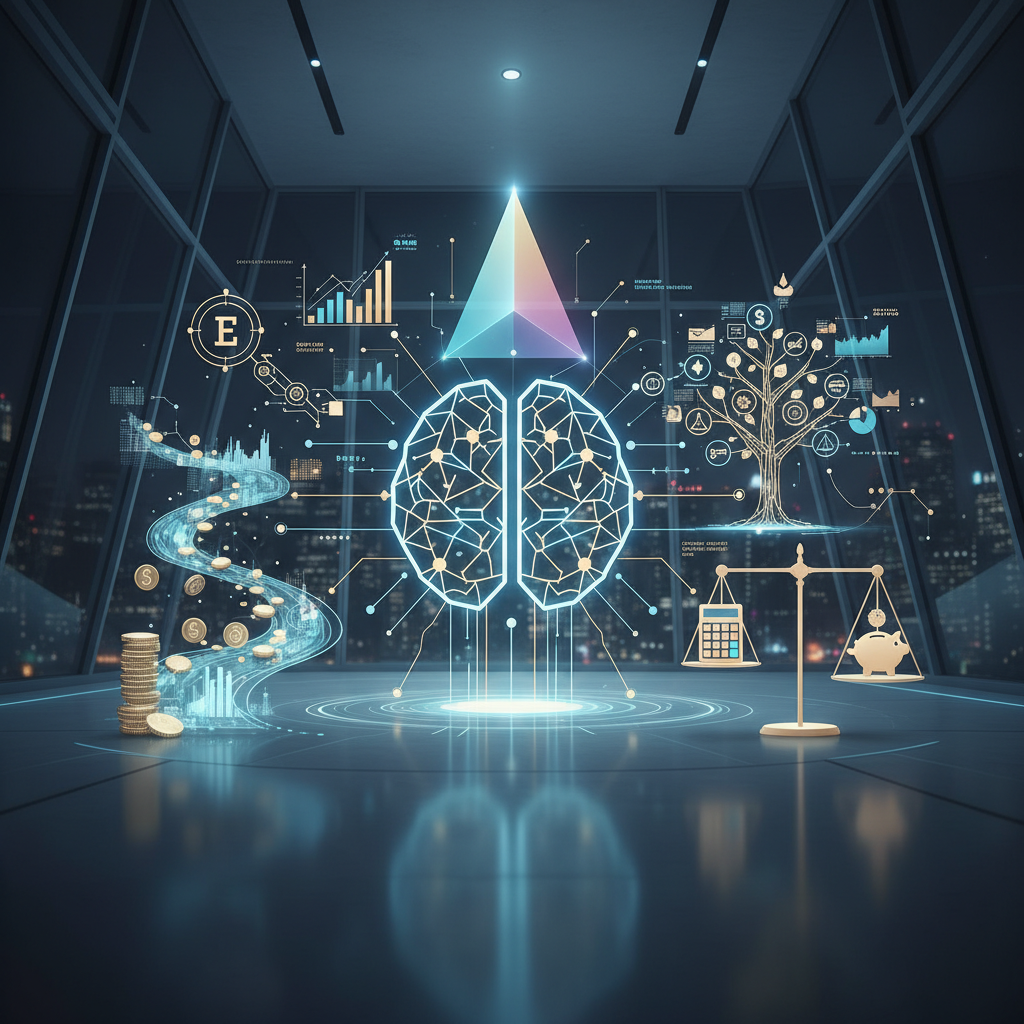






Navigating the complex landscape of modern finance can feel overwhelming, especially with the rapid evolution of technology. Financial literacy is no longer just about balancing a checkbook; it is about understanding how digital ecosystems influence wealth creation and preservation. In this digital age, the barriers to entry for investing have dropped significantly, allowing anyone with a smartphone to participate in global markets.
The Magic of Compounding Interest
One of the most fundamental concepts to grasp is compounding interest. Often referred to as the eighth wonder of the world, it is the process where the value of an investment increases because the earnings on an investment, both capital gains and interest, earn interest as time passes. Digital investment platforms now provide real-time calculators that visualize how small, consistent contributions can grow exponentially over several decades.
To maximize the power of compounding, consistency is key. Automated transfers from your bank account to an investment portfolio ensure that you are buying assets regardless of market fluctuations. This strategy, known as dollar-cost averaging, leverages the digital automation tools available today to remove emotional bias from the investment process.
Understanding Inflation and Purchasing Power
Inflation is the silent thief of wealth. It represents the rate at which the general level of prices for goods and services is rising, and subsequently, purchasing power is falling. In the digital age, tracking inflation is easier with online tools, but its impact remains the same: cash sitting in a standard savings account often loses value over time because the interest rate is lower than the inflation rate.
Asset Allocation and Modern Diversification
Diversification is the practice of spreading your investments around so that your exposure to any one type of asset is limited. Asset allocation involves dividing an investment portfolio among different asset categories, such as stocks, bonds, and cash. Digital robo-advisors have popularized this concept by using algorithms to automatically rebalance portfolios based on an individual’s risk tolerance.
Modern diversification now extends beyond traditional assets. Investors can easily access Alternative Investments through digital platforms, including:
- Real Estate Investment Trusts (REITs)
- Commodities like gold and silver
- Private equity and venture capital
- Peer-to-peer (P2P) lending
The Role of Equities in Wealth Building
Stocks, or equities, represent ownership in a company. In the past, buying stocks required a broker and significant capital. Today, fractional shares allow investors to buy a tiny portion of expensive stocks for as little as one dollar. This democratization of the stock market ensures that everyone can participate in the growth of the world’s largest corporations.
Fixed Income and the Bond Market
Bonds are essentially loans made by an investor to a borrower, such as a corporation or government. They are considered fixed-income instruments because they typically pay a fixed interest rate to the investor. While digital markets are often associated with high volatility, bonds provide a layer of stability and predictable income for a well-rounded portfolio.
Demystifying Cryptocurrency and Blockchain
No discussion of digital finance is complete without mentioning blockchain technology and cryptocurrencies. At its core, a blockchain is a decentralized ledger that records transactions across many computers. Bitcoin, the first cryptocurrency, was designed as a digital alternative to traditional fiat currency, offering a store of value that is independent of central bank control.
Beyond Bitcoin, Ethereum and other smart contract platforms have introduced the concept of Decentralized Finance (DeFi). DeFi aims to recreate traditional financial systems, such as banks and exchanges, using automated code. While highly innovative, these digital assets come with significant risks and require a deep understanding of market dynamics.
The Importance of Liquidity
Liquidity refers to how quickly an asset can be converted into cash without affecting its market price. Cash and savings accounts are highly liquid, while real estate is relatively illiquid. In the digital age, the speed of transactions has increased, but investors must still ensure they have enough liquid assets to cover immediate emergencies without being forced to sell long-term investments at a loss.
Managing Debt and Credit Scores
Credit is a powerful tool when used correctly. A credit score is a numerical expression based on a level analysis of a person’s credit files, representing their creditworthiness. Digital banking apps now offer free credit monitoring, helping users understand how their spending habits and repayment history affect their ability to borrow money for major purchases like homes or businesses.
Behavioral Finance and Emotional Discipline
The digital age has brought 24/7 access to market news and social media hype, which can lead to emotional investing. Behavioral finance is the study of how psychological influences can affect market outcomes. Concepts like FOMO (Fear Of Missing Out) often drive investors to buy at the peak, highlighting the need for a disciplined, strategy-based approach rather than reacting to digital noise.
Cybersecurity for Your Financial Assets
As wealth becomes increasingly digital, cybersecurity becomes a critical financial concept. Protecting your assets involves more than just picking good stocks; it requires using two-factor authentication (2FA), hardware wallets for crypto, and being vigilant against phishing scams. Your financial plan is only as strong as your digital security measures.
Conclusion: The Path to Financial Freedom
Achieving financial freedom in the digital age requires a blend of traditional wisdom and modern technological literacy. By understanding compounding, diversification, and risk management, and by leveraging the digital tools available, you can build a robust financial future. Continuous learning is the best investment you can make, as the landscape of finance will continue to evolve alongside technology.