





Entering the world of personal finance can feel overwhelming, especially when faced with the easy availability of credit and the societal pressure to spend. For beginners, the path to financial stability is often paved with good intentions but riddled with potential pitfalls known as debt traps. A debt trap is a situation where you are forced to take on new debt just to pay off existing obligations, creating a spiraling cycle that is incredibly difficult to break. Understanding how to navigate this landscape is crucial for building a secure future.
Understanding the Anatomy of a Debt Trap
Before you can avoid a trap, you must be able to recognize it. Debt traps often disguise themselves as convenient solutions to short-term problems. They typically involve high-interest rates, predatory terms, or payment structures that barely cover the interest, leaving the principal amount untouched. Common culprits include payday loans, high-interest credit cards, and aggressive ‘buy now, pay later’ schemes that encourage spending money you do not yet possess.
The psychological aspect of debt is equally dangerous. The instant gratification provided by credit can disconnect the pain of paying from the pleasure of purchasing. For a beginner, this separation makes it easy to overspend without realizing the long-term consequences until the bills arrive. Recognizing that credit is not an extension of your income but a financial tool that costs money to use is the first step in shifting your mindset.
The Foundation: Creating a Bulletproof Budget
The most effective defense against debt is a robust budget. A budget is not a restriction on your freedom; rather, it is a plan that tells your money where to go instead of wondering where it went. Without a clear understanding of your income versus your expenses, you are navigating blind. Start by tracking every single expense for a month to identify leaks in your spending habits.
Many financial experts recommend the 50/30/20 rule as a starting point for beginners. This framework suggests allocating 50% of your income to needs (rent, groceries, utilities), 30% to wants (dining out, entertainment), and 20% to savings and debt repayment. By strictly adhering to these percentages, you ensure that you are living within your means and not relying on credit to fund your lifestyle.
Building an Emergency Fund
One of the most common reasons people fall into debt is an unexpected expense. A car breakdown, a sudden medical bill, or job loss can force anyone without savings to turn to high-interest credit cards or loans. This is why building an emergency fund is non-negotiable. An emergency fund acts as a financial buffer that stands between you and debt.
Start small if you have to. Aim to save $500 to $1,000 initially, then work your way up to covering three to six months’ worth of living expenses. Keep this money in a separate, easily accessible savings account, and strictly touch it only for genuine emergencies. Having this liquidity ensures that when life throws a curveball, you can pay cash instead of swiping a card.
Mastering Credit Card Usage
Credit cards are double-edged swords. Used correctly, they offer rewards, fraud protection, and a way to build a credit history. Used poorly, they are the fastest route to a debt trap. The golden rule of credit card usage is simple: never spend more than you can afford to pay off in full at the end of the month.
Many beginners fall into the ‘minimum payment trap.’ Credit card issuers allow you to pay a tiny fraction of your balance each month, but this is a strategic move to keep you in debt. By paying only the minimum, you accrue massive amounts of compound interest, often doubling or tripling the cost of your original purchase over time. Always aim to pay the statement balance in full to avoid interest charges entirely.
Beware of Predatory Lending and BNPL
In the digital age, accessing money has never been easier, but this convenience comes with risks. Payday loans are perhaps the most dangerous form of debt, often carrying annual percentage rates (APRs) of 300% or more. These loans target individuals who are desperate for cash, trapping them in a cycle where they must borrow again just to pay the fees of the previous loan.
Similarly, ‘Buy Now, Pay Later’ (BNPL) services have surged in popularity. While they often advertise 0% interest, they normalize the habit of purchasing things you cannot immediately afford. Missing a payment on these platforms can result in hefty late fees and damage to your credit score. Treat BNPL services with the same caution as a traditional loan.
Avoiding Lifestyle Inflation
As you progress in your career and your income increases, the temptation to upgrade your lifestyle grows. This phenomenon, known as lifestyle inflation or ‘lifestyle creep,’ can keep you living paycheck to paycheck despite earning a higher salary. Buying a more expensive car or moving into a luxury apartment just because you got a raise prevents you from building wealth.
To avoid this, commit to saving at least 50% of every raise or bonus you receive. This allows you to enjoy some of the fruits of your labor while accelerating your financial goals. Remember that true wealth is not about how much you spend, but how much you keep and invest for the future.
The Importance of Financial Literacy
Ignorance is expensive. The financial landscape is complex, with terms and conditions often written in fine print designed to confuse the consumer. Committing to continuous learning about personal finance is your best defense. Read books, follow reputable financial blogs, and stay updated on economic trends that might affect your wallet.
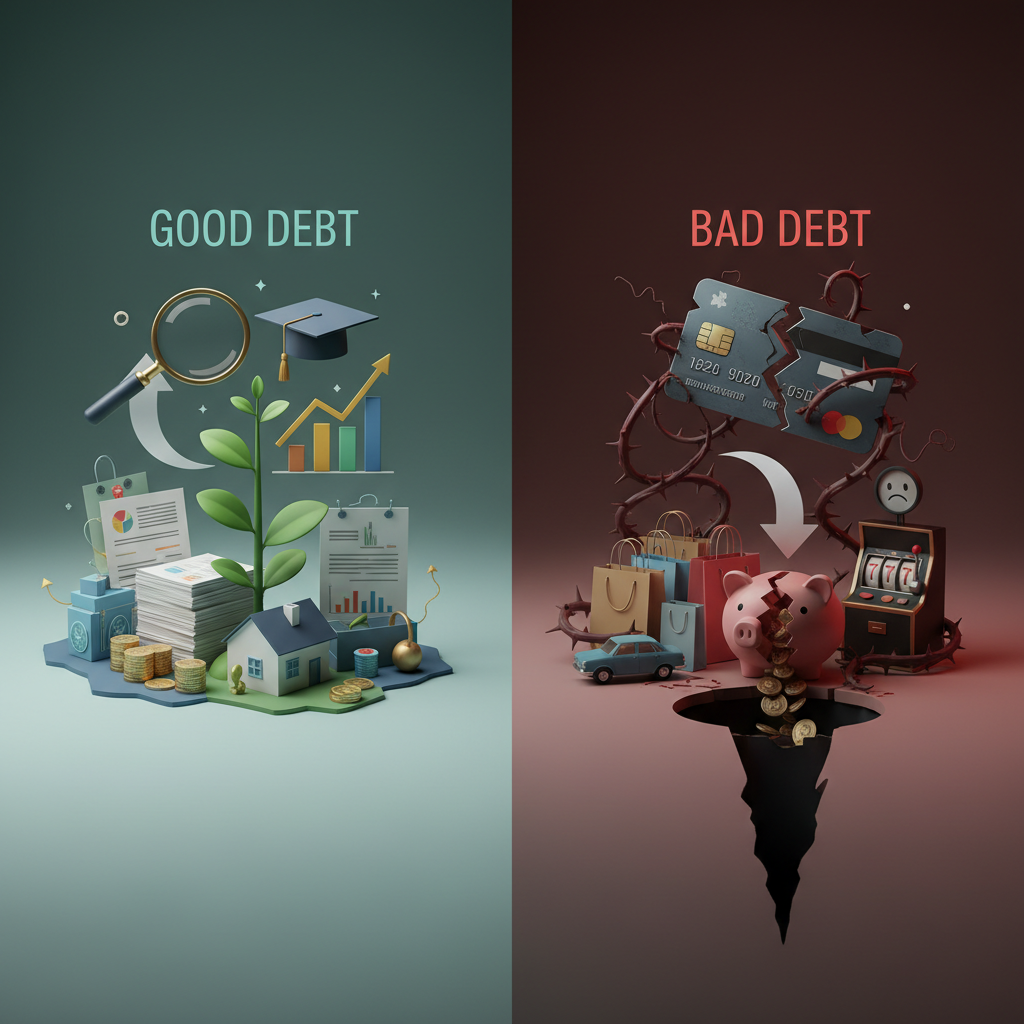
Understand the difference between good debt and bad debt. Good debt, such as a mortgage or a student loan (within reason), can be an investment that increases your net worth or earning potential over time. Bad debt, such as high-interest consumer debt used for depreciating assets, drains your wealth. Knowing the difference helps you make strategic borrowing decisions.
Conclusion: Discipline is Key
Avoiding debt traps is not about being a math genius; it is about discipline, foresight, and emotional control. By establishing a budget, building an emergency fund, and treating credit with caution, you build a fortress around your finances that protects you from predatory practices.
Start today by reviewing your current financial standing. If you are already in debt, do not panic. Create a repayment plan using the snowball or avalanche method and commit to not taking on new debt. The journey to financial freedom is a marathon, not a sprint, and avoiding these common traps is the surest way to reach the finish line successfully.