





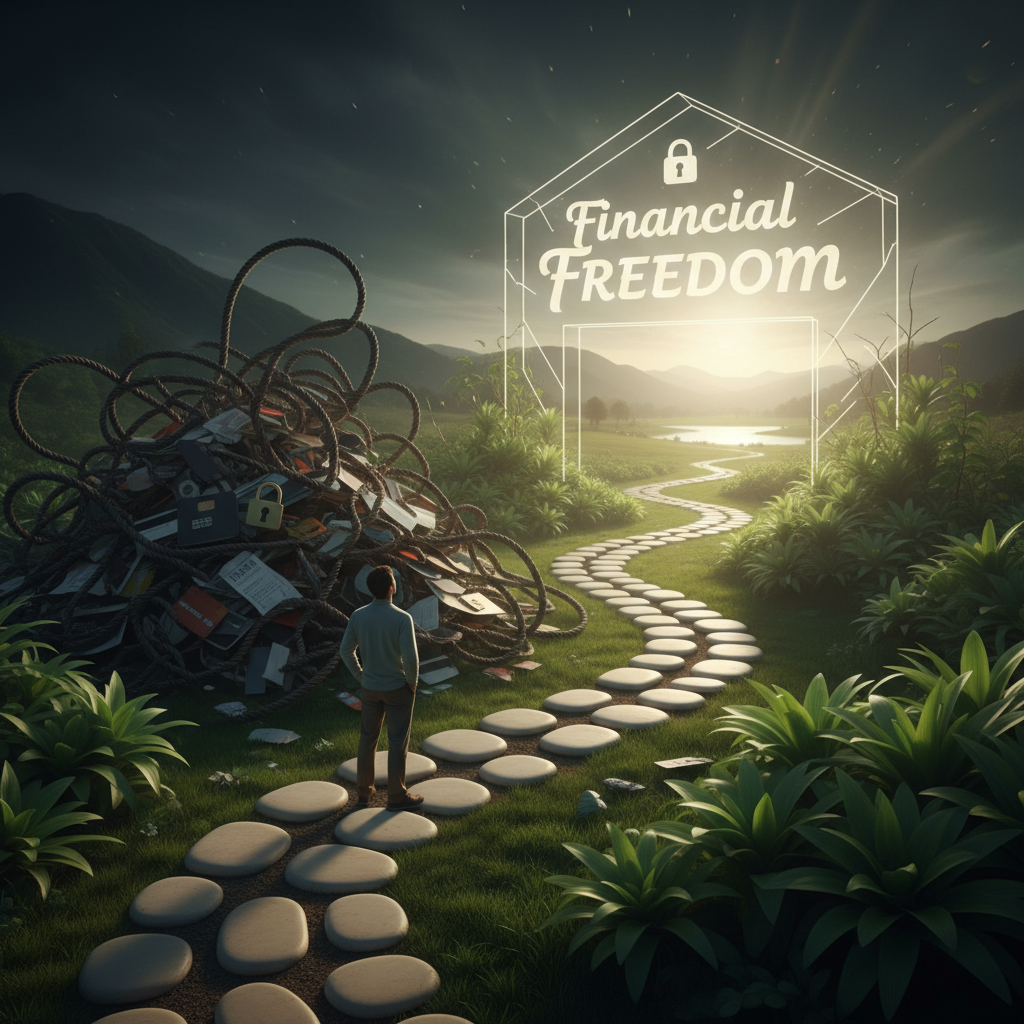
Entering the world of personal finance can be exhilarating, but it is also fraught with potential pitfalls. One of the most dangerous hazards for young adults and financial novices is the debt trap. A debt trap occurs when you borrow money that is difficult to repay, leading to a cycle of high-interest payments where the principal amount barely decreases. Understanding how to avoid debt traps for beginners is not just about saving money; it is about preserving your future freedom and mental well-being.
The allure of easy credit is the primary entry point into these financial quicksands. Banks and financial institutions often market credit cards and loans aggressively to young professionals and students. While access to credit is essential for building a credit score, mismanaging it can lead to disaster. The first step in avoidance is recognizing that credit is not an extension of your income; it is a tool that must be handled with precision and care.
Understanding the Mechanics of Interest Rates
To truly grasp why you should avoid debt traps, you must understand compound interest. Albert Einstein reportedly called it the eighth wonder of the world, but in the context of debt, it works against you. When you carry a balance on a high-interest credit card, you are paying interest on your interest. This compounding effect can turn a small, manageable purchase into a massive financial burden over just a few years.
Many beginners fall into the trap of making only the minimum monthly payment. Credit card issuers design minimum payments to keep you in debt for as long as possible. By paying only the minimum, you are covering mostly the interest charges while the principal balance remains largely untouched. This is a classic debt trap mechanism that can keep a borrower enslaved to a lender for decades.
The Dangers of Predatory Lending
Beyond standard credit cards, beginners must be hyper-aware of predatory lending practices. Payday loans and title loans are marketed as quick fixes for financial emergencies, but they come with astronomical Annual Percentage Rates (APRs), sometimes exceeding 400%. These loans are designed to trap vulnerable borrowers who lack savings, forcing them to take out new loans to pay off old ones.
Another modern pitfall is the Buy Now, Pay Later (BNPL) phenomenon. While these services often advertise 0% interest, they normalize the behavior of spending money you do not currently have. If you miss a payment, the late fees and deferred interest can be substantial. For a beginner learning how to budget, BNPL services can obscure the reality of your cash flow, leading to accidental overspending.
Strategies to Build a Financial Fortress
The most effective way to avoid debt traps is to build a solid financial foundation before you ever need to borrow. This starts with an emergency fund. Financial experts recommend saving three to six months’ worth of living expenses. Having this liquidity ensures that when an unexpected car repair or medical bill arises, you can pay cash rather than relying on high-interest credit.
Budgeting is your roadmap to safety. Adopting a framework like the 50/30/20 rule can be transformative. In this model, 50% of your income goes to needs, 30% to wants, and 20% to savings and debt repayment. By strictly allocating your funds, you ensure that you are living within your means and not relying on credit to fund a lifestyle you cannot afford.
Another critical strategy is to automate your finances. Set up automatic transfers to your savings account immediately after payday. If the money is not in your checking account, you are less likely to spend it impulsively. Furthermore, setting up automatic payments for any existing bills ensures you never miss a deadline, protecting you from late fees and penalty APRs.
Distinguishing Good Debt vs. Bad Debt
Not all debt is created equal, and part of avoiding traps is knowing the difference. Good debt is an investment that increases your net worth or generates future income, such as a student loan for a high-ROI degree or a mortgage on a home. Bad debt is used to purchase depreciating assets or consumables, like clothes, vacations, or luxury cars, usually at high interest rates.
However, even good debt can become a trap if not managed correctly. Taking out a massive student loan for a career field with low earning potential can financially cripple a graduate. Therefore, beginners must perform a cost-benefit analysis before signing any loan agreement, ensuring the future repayment acts as an investment rather than a burden.
The Role of Financial Literacy
Ignorance is expensive. One of the main reasons people fall into debt traps is a lack of financial literacy. Taking the time to read the fine print on credit card agreements, understanding terms like ‘introductory APR’ versus ‘variable APR,’ and knowing your credit utilization ratio are vital skills. There are countless free resources, podcasts, and books available that can elevate your financial IQ.
Peer pressure and social media also play a significant role in driving young people toward debt. The fear of missing out (FOMO) can lead to lifestyle inflation, where spending increases to match peers rather than income. Learning to say “no” to expensive outings or delayed gratification is a psychological muscle that must be exercised to maintain financial health.
In conclusion, learning how to avoid debt traps for beginners requires a combination of education, discipline, and foresight. By understanding interest rates, avoiding predatory lenders, building an emergency fund, and living below your means, you can navigate the financial landscape safely. Remember, true wealth is not about how much you spend, but how much you keep and grow.