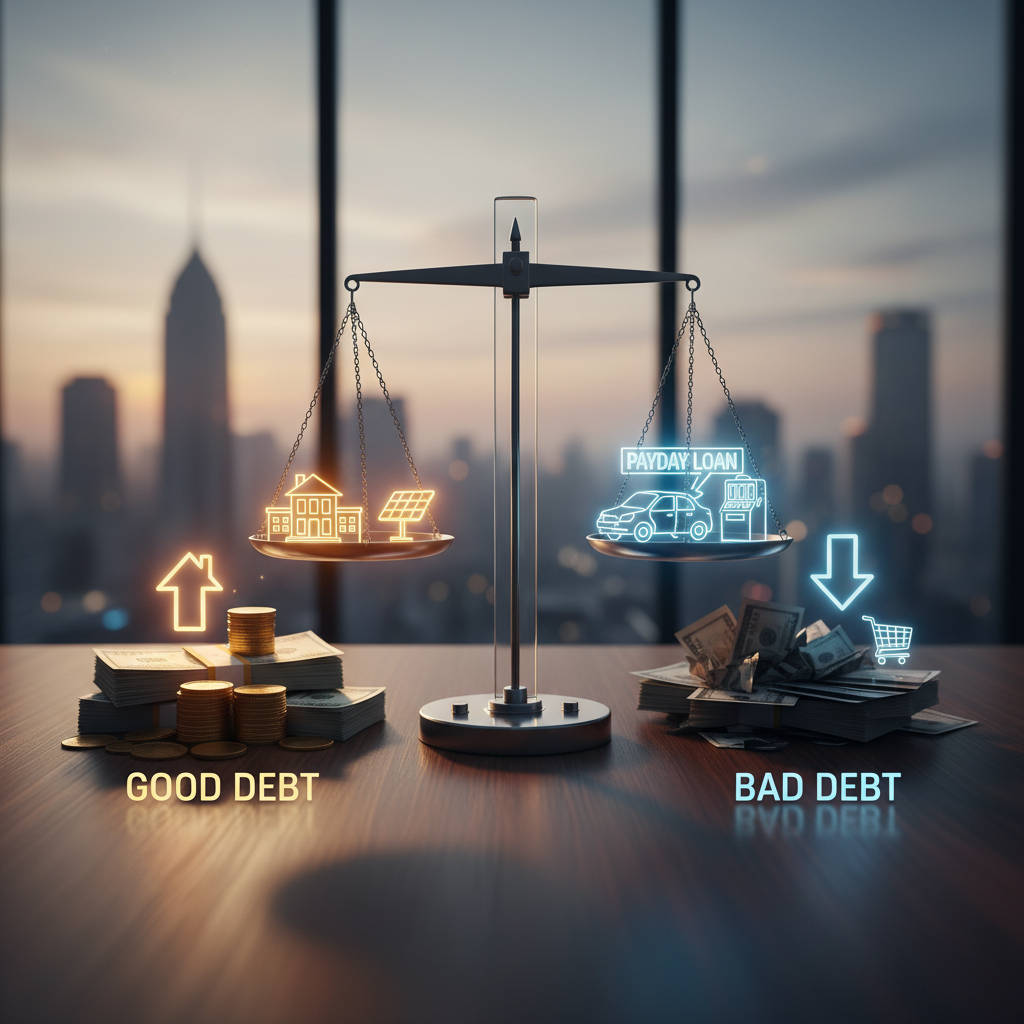






Living with debt is often compared to carrying a heavy backpack that gets heavier with every step you take. Whether it is student loans, credit card balances, or a car note, debt restricts your financial mobility and dictates your life choices. Understanding how to pay off debt faster is not just about saving money on interest; it is about reclaiming your freedom and reducing the immense stress that financial liabilities place on your mental health. This article serves as a comprehensive blueprint to help you accelerate your journey toward being debt-free.
Why Speed Matters: The Cost of Waiting
The primary reason you should prioritize paying off debt quickly is the devastating effect of compound interest. When you make only the minimum payments, a significant portion of your money goes straight to interest rather than reducing the principal balance. Over time, this can result in paying double or even triple the original amount borrowed. By accelerating your payments, you interrupt this cycle, keeping more of your hard-earned money in your pocket rather than handing it over to lenders.
Beyond the mathematics, there is a profound psychological impact associated with debt. Financial stress is a leading cause of anxiety and relationship issues. The constant worry about due dates and balances can cloud your judgment and prevent you from enjoying life in the present. Following a blueprint to eliminate debt faster clears this mental clutter, allowing you to focus on career growth, personal relationships, and long-term happiness.
Step 1: Confronting the Numbers
The first step in any successful debt payoff blueprint is to face reality. You cannot defeat an enemy you cannot see. Create a detailed spreadsheet listing every single debt you owe. Include the creditor’s name, the total balance, the interest rate, and the minimum monthly payment. This visual representation might be overwhelming at first, but it is the foundation of your strategy. It transforms a vague sense of dread into a concrete, solvable problem.
Step 2: optimizing Your Budget
To pay off debt faster, you need to find “gap money”—the difference between your income and your essential expenses. This requires a zero-based budget where every dollar is assigned a job. Review your bank statements from the last three months to identify leaks in your spending. Subscriptions you do not use, dining out frequently, and impulse purchases are prime targets for elimination. The money saved here becomes the fuel for your debt payoff engine.
Step 3: Choosing Your Attack Strategy
There are two primary methods for tackling debt, and choosing the right one depends on your personality and financial situation. The first is the Debt Snowball Method. This involves listing your debts from smallest balance to largest, regardless of interest rate. You pay minimums on everything else and throw every extra dollar at the smallest debt. When it is paid off, you roll that payment into the next smallest. This method builds psychological momentum through quick wins.
The second strategy is the Debt Avalanche Method. Mathematically, this is the superior approach. You list debts from the highest interest rate to the lowest. by targeting the most expensive debt first, you save the most money on interest over the long run. However, it requires discipline, as it may take longer to see the first debt completely disappear compared to the snowball method. Choose the one that will keep you motivated.
Step 4: Lowering the Interest Rates
While you are attacking the principal, you should also try to reduce the speed at which interest accumulates. Call your credit card companies and ask for a lower rate; if you have a good payment history, they may oblige to keep you as a customer. Alternatively, consider a balance transfer credit card with a 0% introductory APR period. This allows every dollar you pay to go 100% toward the principal for a set period, drastically speeding up the payoff process.
Debt consolidation loans are another tool in this blueprint. If you can take out a personal loan with a significantly lower interest rate than your credit cards, you can pay off the cards immediately and then focus on the single, lower-interest loan payment. However, this strategy only works if you commit to not running up the credit card balances again once they are paid off.
Step 5: Increasing Your Income
Cutting expenses has a limit; you can only cut so much before you hit the bone. However, your income potential is theoretically unlimited. To truly supercharge your debt payoff blueprint, look for ways to earn more. This could mean picking up a side hustle, freelancing, selling unused items around the house, or asking for a raise at your primary job. Dedicating 100% of this extra income to your debt can shave years off your repayment timeline.
Using Windfalls Wisely
Throughout the year, you may receive unexpected money, such as tax refunds, work bonuses, or birthday gifts. It is tempting to treat yourself, but if you are serious about this blueprint, these windfalls should be treated as ammunition against your debt. Applying a large lump sum to your principal balance can have a massive impact on your interest calculation moving forward.
The Importance of an Emergency Fund
It may seem counterintuitive to save money while you are in debt, but a small emergency fund is essential. Without a safety net of $1,000 to $2,000, a single car repair or medical bill could force you to use your credit cards again, undoing all your hard work. This small fund acts as a buffer, preventing the cycle of debt from restarting while you work your way through the blueprint.
Lifestyle Changes and Sacrifice
Paying off debt faster requires temporary sacrifice for permanent gain. You may need to say no to vacations, expensive dinners, or new clothes for a season. Remind yourself that this is not forever. You are living like no one else now so that later, you can live and give like no one else. Keeping your “why” in mind—whether it is buying a home, retiring early, or funding your children’s education—will help you stay the course when discipline wanes.
Life After Debt: The Ultimate Reward
Imagine a month where your paycheck hits your account and not a single cent is owed to a lender. This is the destination of the blueprint. Once you are debt-free, your ability to build wealth skyrockets. You can maximize retirement contributions, invest in real estate, and build a legacy. The blueprint isn’t just about getting back to zero; it is about building a launchpad for a prosperous future.
In conclusion, the blueprint to paying off debt faster is simple but not easy. It requires organization, budgeting, strategic planning, and a relentless increase in income. By following these steps and maintaining your focus, you can break the chains of debt. Start today, because the sooner you begin, the sooner you will experience the incredible peace of financial freedom.