





Understanding the Burden of Debt and the Path to Freedom
Dealing with debt can often feel like carrying a heavy weight that hinders your ability to move forward financially. Whether it is credit card balances, student loans, or personal loans, the interest alone can keep you trapped in a cycle of payments for years. Learning how to pay off debt faster is not just about numbers; it is about regaining control over your life and your future. By implementing a structured plan and staying disciplined, you can shorten your repayment timeline significantly and save thousands of dollars in interest charges.
The Debt Snowball Method Explained
One of the most popular strategies for debt repayment is the Debt Snowball Method. This approach focuses on psychological wins by prioritizing your smallest debts first, regardless of the interest rate. You pay the minimum on all accounts except the smallest one, to which you direct as much extra cash as possible. Once that smallest debt is gone, you roll that entire payment into the next smallest debt. This creates a sense of momentum, or a snowball effect, that keeps you motivated as you see accounts being closed one by one.
The Debt Avalanche Method for Maximum Savings
If you prefer a more mathematically efficient approach, the Debt Avalanche Method might be the right choice. With this strategy, you list all your debts and rank them by their interest rates. You focus all extra payments on the debt with the highest interest rate first while maintaining minimum payments on the rest. By attacking the most expensive debt first, you minimize the total interest paid over time and potentially shave months or even years off your total repayment period. This method requires more discipline since the first debt might take longer to clear, but the financial savings are superior.
Creating a Bulletproof Zero-Based Budget
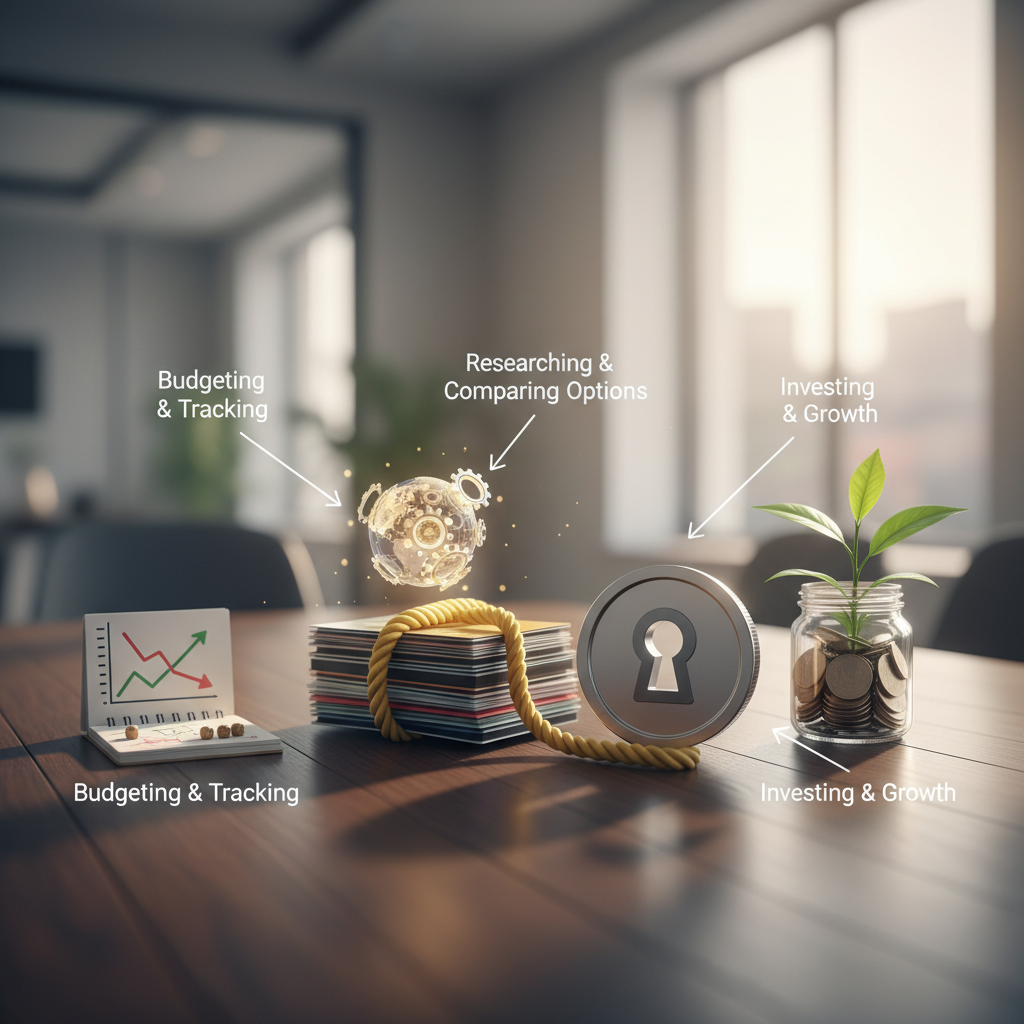
You cannot effectively pay off debt without knowing exactly where your money is going. A zero-based budget is a powerful tool where every single dollar of your income is assigned a specific task. By tracking your spending for a month, you can identify leaks in your finances and redirect that money toward your debt. Using a budget ensures that you are living below your means and that your debt repayment is a non-negotiable priority rather than an afterthought at the end of the month.
Cutting Unnecessary Expenses to Boost Repayment
To accelerate your progress, you must look for ways to trim your current lifestyle. This might involve:
- Canceling unused subscription services and gym memberships.
- Reducing the frequency of dining out or ordering takeout.
- Switching to generic brands for groceries and household items.
- Negotiating lower rates for insurance or internet services.
Every dollar saved from these cuts should be immediately applied to your debt balance to maximize the impact of your efforts.
Increasing Your Income with Side Hustles
While cutting expenses is vital, there is a limit to how much you can save. However, there is no limit to how much you can earn. Taking on a side hustle or part-time job can provide a massive boost to your debt repayment journey. Whether it is freelance writing, driving for a ride-share service, selling unused items online, or tutoring, dedicating 100% of this extra income to your debt can drastically change your financial trajectory in a very short amount of time.
The Role of Debt Consolidation Loans
Debt consolidation involves taking out a new loan with a lower interest rate to pay off multiple high-interest debts. This simplifies your finances by leaving you with just one monthly payment. Debt consolidation can be a smart move if you have a good credit score and can secure a rate significantly lower than what you are currently paying. However, it is crucial to address the spending habits that caused the debt in the first place, otherwise, you risk running up balances on your newly emptied credit cards.
Negotiating with Creditors for Lower Rates
Many people do not realize that they can simply call their creditors and ask for a lower interest rate. If you have a history of on-time payments, your credit card issuer may be willing to lower your APR to keep you as a customer. A lower interest rate means more of your monthly payment goes toward the principal balance rather than interest, allowing you to pay off the debt much faster. Even a 2% or 3% reduction can make a noticeable difference over time.
Utilizing Balance Transfer Credit Cards
For those with high-interest credit card debt, a 0% APR balance transfer card can be a lifesaver. These cards offer an introductory period, often 12 to 21 months, where no interest is charged on transferred balances. This allows you to attack the principal balance aggressively without the hindrance of interest. Be mindful of balance transfer fees, which usually range from 3% to 5%, and ensure you have a plan to pay off the entire balance before the introductory period ends and the high interest rates return.
The Importance of an Emergency Fund
It may seem counterintuitive to save money while you are in debt, but having a small starter emergency fund is essential. Without a buffer of at least $1,000 to $2,000, any unexpected expense like a car repair or medical bill will likely end up back on a credit card, sabotaging your progress. An emergency fund provides the security needed to stop using debt as a safety net and stay focused on your repayment goals.
Shifting Your Financial Mindset
Sustainable debt repayment requires a complete shift in how you view money and consumption. You must break the cycle of instant gratification and learn to value long-term financial stability over temporary possessions. This mindset shift involves distinguishing between wants and needs and being content with a simpler lifestyle while you work toward your goals. Once you stop viewing debt as a normal part of life, you will find it much easier to stay committed to the process.
Automating Your Debt Payments
Decision fatigue can often lead to missed payments or impulsive spending. By automating your debt payments, you ensure that your progress happens consistently without you having to think about it. Set up automatic transfers from your checking account to your debt accounts on the day you get paid. This ensures that the money is gone before you have a chance to spend it elsewhere, making your debt repayment plan foolproof.
Using Windfalls to Your Advantage
Throughout the year, you may receive unexpected sums of money, such as tax refunds, work bonuses, or inheritance. While it is tempting to spend this money on a luxury item or a vacation, applying these financial windfalls to your debt can provide a massive leap forward. Because this money is outside of your regular budget, it can be used to wipe out a significant portion of a balance in one go, saving you months of interest and effort.
Tracking Progress and Visualizing Success
Debt repayment is a marathon, not a sprint, and it is easy to lose motivation. Using visual aids like debt thermometers or spreadsheets can help you stay engaged. Seeing a graph trend downward or a thermometer fill up as you pay off balances provides a tangible sense of accomplishment. Celebrate small milestones along the way, such as paying off 25% of your total debt, to keep your spirits high and maintain the discipline needed for the long haul.
Conclusion: The Life-Changing Benefits of Being Debt-Free
Paying off debt faster requires sacrifice, discipline, and a clear strategy, but the rewards are immeasurable. Once you are debt-free, your income belongs entirely to you, allowing you to invest for retirement, save for a home, or travel without the guilt of monthly payments hanging over your head. By choosing a method like the snowball or avalanche, sticking to a budget, and staying focused, you can achieve financial independence and build a legacy of wealth for yourself and your family.