





Financial freedom is a state where your assets generate enough income to cover your living expenses without the necessity of active labor. It is a dream for many, yet it remains elusive for those without a structured plan. Achieving this milestone requires more than just a high salary; it demands a fundamental shift in how you perceive, manage, and grow your money. By following practical steps rooted in discipline and strategic planning, anyone can pave their way toward a future free from financial stress.
Defining Your Financial Goals
The first step toward financial independence is defining exactly what it means to you. For some, it is early retirement, while for others, it is the ability to work on passion projects without worrying about a paycheck. Setting SMART goals—Specific, Measurable, Achievable, Relevant, and Time-bound—is crucial. You must calculate your annual expenses and determine the Financial Independence Number, which is often estimated as 25 times your annual spending, to give yourself a clear target to aim for.
Creating a Realistic Budget
A budget is the roadmap for your financial journey. Without tracking where every dollar goes, it is impossible to optimize your spending. Successful budgeting involves categorizing expenses into needs, wants, and savings. Many experts recommend the 50/30/20 rule, but for those seeking rapid financial freedom, increasing the savings rate to 40% or 50% is often necessary. Utilizing tools and apps to monitor cash flow helps in identifying unnecessary leaks in your monthly spending habits.
Eliminating High-Interest Debt
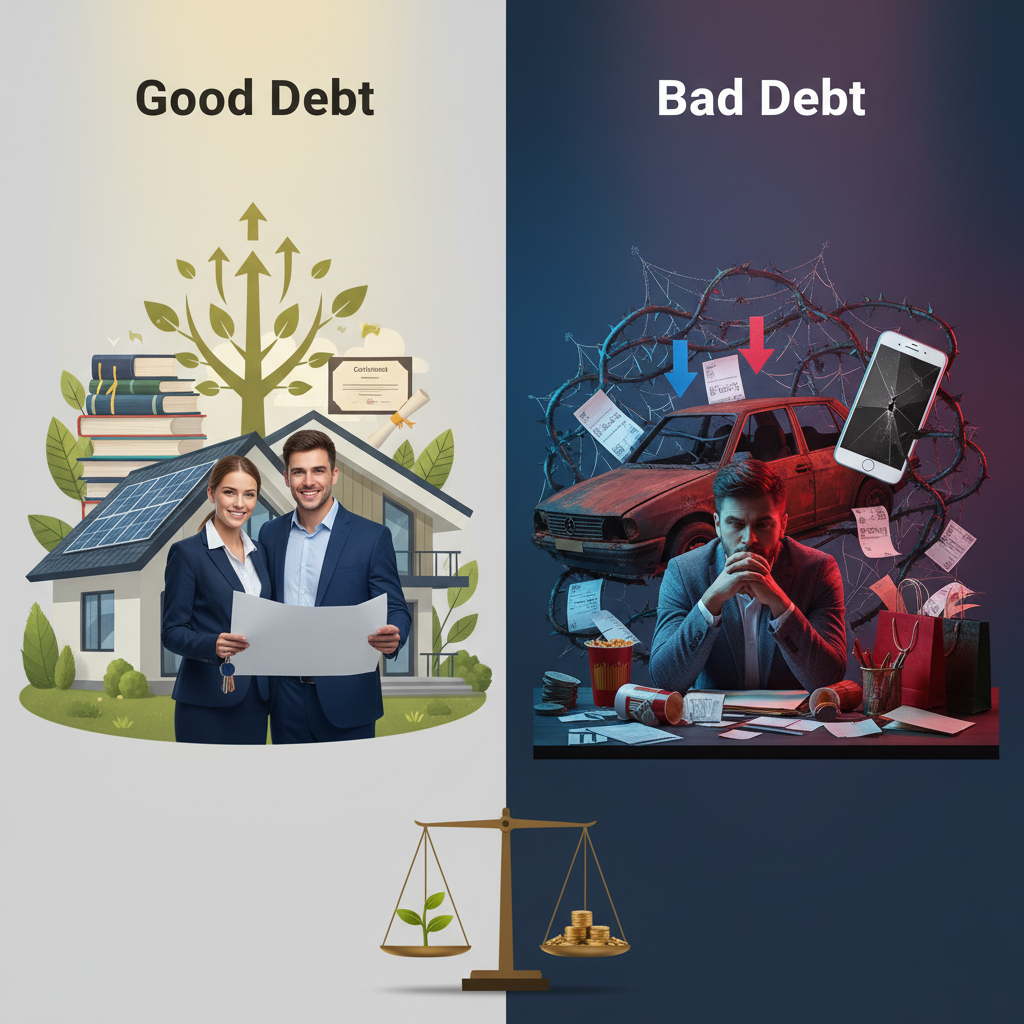
Debt is often the biggest obstacle to wealth accumulation. High-interest liabilities, such as credit card balances and payday loans, can drain your resources through compounding interest. To tackle this, you can use the debt snowball method, which involves paying off the smallest balances first for psychological wins, or the debt avalanche method, which targets the highest interest rates first to save money. Clearing these debts frees up more capital to be redirected toward income-producing assets.
Establishing an Emergency Fund
Life is unpredictable, and financial setbacks like medical emergencies or job loss can derail your progress. An emergency fund acts as a safety net, preventing you from dipping into your investments or taking on new debt during crises. Aim to save at least three to six months of essential living expenses in a high-yield savings account. This liquidity provides peace of mind and the stability needed to take calculated risks in your investment strategy.
Automating Your Savings
The pay yourself first principle is a cornerstone of wealth building. By automating your savings and investment contributions, you treat these payments like non-negotiable bills. Setting up automatic transfers from your paycheck to your brokerage or savings account ensures that you never forget to invest. This habit removes the temptation to spend surplus cash and leverages the power of consistency, which is far more effective than trying to time the market.
Investing for Long-Term Growth
Saving alone is rarely enough to achieve financial freedom due to the eroding effects of inflation. You must invest in assets that appreciate over time or generate passive income. Common vehicles include:
- Low-cost index funds and ETFs
- Individual stocks with strong fundamentals
- Real estate properties
- Dividend-paying assets
. Diversification across different asset classes reduces risk and ensures that your portfolio can weather market volatility while growing steadily over decades.
Diversifying Income Streams
Relying solely on a single source of income is a risk in today’s economy. To accelerate your path to freedom, consider creating multiple streams of income. This could involve starting a side hustle, freelancing, or creating digital products. Passive income—money earned with minimal ongoing effort—is the ultimate goal. Whether it is rental income, royalties, or affiliate marketing, having diverse revenue sources provides a buffer and speeds up the accumulation of wealth.
The Role of Insurance and Asset Protection
Building wealth is only half the battle; the other half is protecting it. Comprehensive insurance coverage, including health, life, disability, and property insurance, is vital. Without adequate protection, a single lawsuit or health crisis could wipe out years of hard-earned savings. Additionally, as your net worth grows, consider legal structures like trusts or umbrella policies to shield your assets from potential liabilities.
Continuous Financial Education
The financial world is constantly evolving, with new tax laws, investment products, and economic trends emerging regularly. Staying informed is a prerequisite for long-term success. Read books by reputable financial experts, listen to economic podcasts, and perhaps consult with a fee-only financial advisor. Knowledge is the best investment you can make, as it empowers you to make informed decisions and avoid costly scams or poor investment choices.
Adopting a Frugal Mindset
Frugality is not about deprivation; it is about value-based spending. It means being intentional with your money and avoiding lifestyle creep, which is the tendency to increase spending as income rises. By prioritizing experiences and long-term security over material status symbols, you can maintain a high savings rate. Small changes, like cooking at home or buying used items, can compound into significant savings over time without sacrificing your quality of life.
Optimizing Tax Efficiency
Taxes can be one of your largest lifetime expenses. Understanding how to use tax-advantaged accounts, such as 401ks, IRAs, or HSAs, can save you thousands of dollars. Strategic tax-loss harvesting and holding investments for more than a year to qualify for long-term capital gains rates are also effective ways to minimize your tax burden. Every dollar saved in taxes is an extra dollar that can stay invested and compound for your future.
Reviewing and Adjusting Your Plan
A financial plan is not a static document. It should be reviewed at least annually or whenever a major life event occurs, such as marriage, the birth of a child, or a career change. Regular reviews allow you to rebalance your portfolio, adjust your budget, and ensure you are still on track to meet your goals. Flexibility is key to navigating the various stages of life while maintaining your trajectory toward financial independence.
Patience and the Power of Compounding
Financial freedom is a marathon, not a sprint. The most powerful force in finance is compound interest, which Albert Einstein reportedly called the eighth wonder of the world. However, compounding takes time to show significant results. It requires the discipline to stay invested during market downturns and the patience to wait for your seeds to grow into a forest. Avoiding the get rich quick mentality is essential for sustainable wealth creation.
Conclusion: Taking the First Step Today
The journey to financial freedom begins with a single, conscious decision to take control of your finances. While the process involves complex elements like investing and tax planning, the foundation is built on simple habits: spending less than you earn, avoiding debt, and investing consistently. By implementing these practical steps, you are not just managing money; you are designing a life of choice, security, and ultimate freedom. Start today by tracking your expenses and setting your first goal.