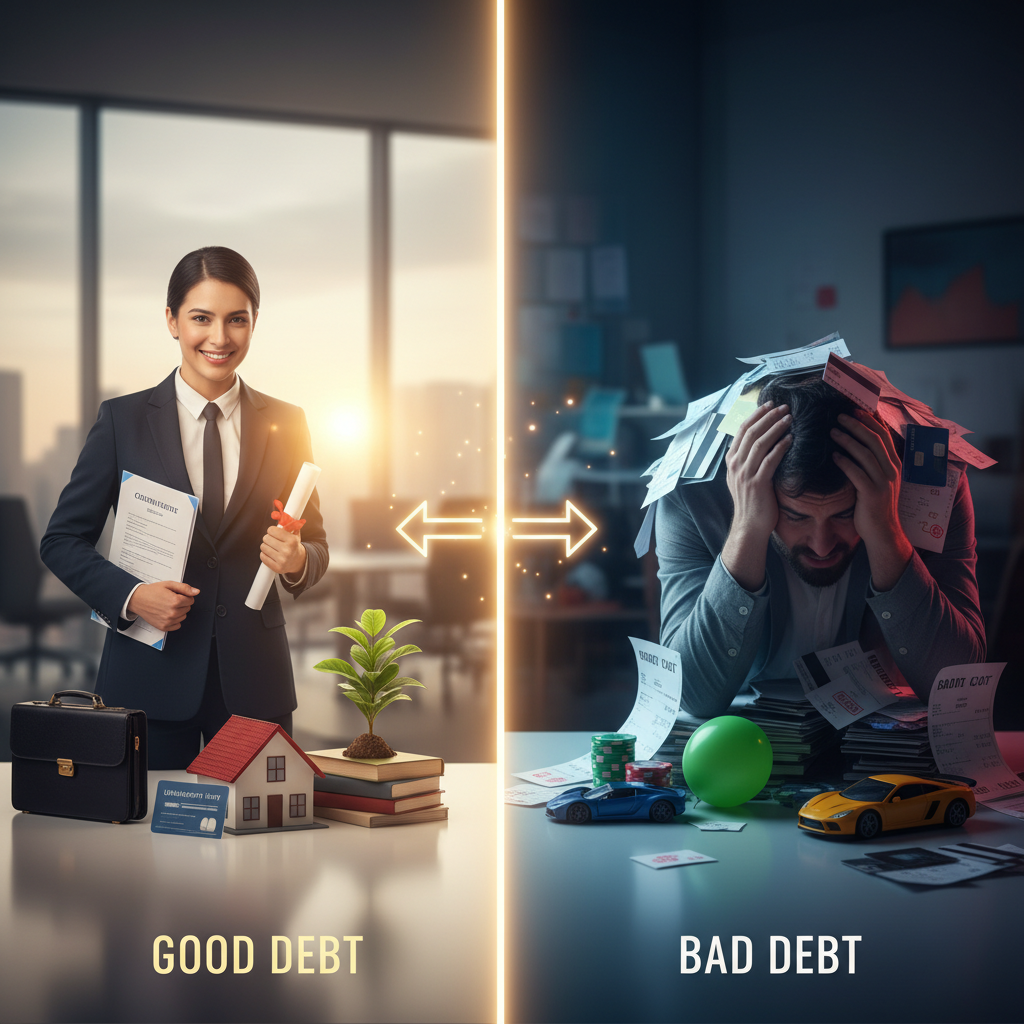






Living with debt has become a normalized part of modern society, yet it remains one of the most significant barriers to building true wealth and achieving financial independence. Whether it is student loans, credit card balances, or a hefty car payment, debt acts as an anchor that holds you back from reaching your full potential. Understanding why you should pay off debt faster is the first step toward reclaiming your financial autonomy. It is not just about the numbers; it is about the freedom to make life choices without the burden of monthly obligations weighing you down.
The True Cost of Debt: Interest Accumulation
The most mathematical argument for accelerating your debt repayment is the sheer cost of interest. When you make only the minimum payments, a significant portion of your money goes directly into the pockets of lenders rather than reducing your principal balance. Over time, compound interest works against you, turning a manageable purchase into a financial drain. By paying off debt faster, you effectively guarantee a return on investment equal to the interest rate of the debt, saving you thousands of dollars in the long run.
The Psychological Impact and Mental Health
Beyond the math, there is a profound psychological benefit to becoming debt-free. Financial stress is a leading cause of anxiety and relationship problems. The constant worry about making payments, the fear of emergencies, and the feeling of being trapped can take a severe toll on your mental health. Eliminating debt removes this chronic stressor, providing peace of mind and allowing you to focus your mental energy on positive growth, career advancement, and personal relationships.
Regaining Financial Flexibility
Debt restricts your options. When a large chunk of your income is spoken for before it even hits your bank account, you lose the agility to navigate life’s changes. Paying off debt faster restores your cash flow. This newfound liquidity means you can accept a lower-paying job that you love, start a business, travel, or handle unexpected medical expenses without spiraling into further financial distress. Financial flexibility is the ultimate safety net.
Boosting Your Credit Score
Your credit utilization ratio—the amount of credit you are using compared to your limits—is a major factor in calculating your credit score. High debt balances can drag your score down, making it difficult to qualify for mortgages or favorable insurance rates. By aggressively paying down your balances, you lower your utilization ratio, which can lead to a rapid improvement in your credit score. A higher score opens doors to better financial products and lower interest rates in the future.
Strategy 1: The Debt Snowball Method
Now that we understand the why, let us explore the how. One of the most popular strategies is the Debt Snowball method. This approach focuses on behavioral psychology rather than pure mathematics. You list your debts from the smallest balance to the largest, regardless of the interest rate. You make minimum payments on everything else but throw every extra dollar at the smallest debt. Once it is paid off, you roll that payment amount into the next smallest debt. The quick wins build momentum and motivation, which are crucial for sticking to a long-term plan.
Strategy 2: The Debt Avalanche Method
For those who are more mathematically inclined, the Debt Avalanche method is superior. In this strategy, you list your debts from the highest interest rate to the lowest. You focus your aggressive payments on the debt with the highest interest rate first. Mathematically, this method saves you the most money on interest and gets you out of debt the fastest. However, it requires discipline, as it may take longer to see the first debt completely disappear compared to the Snowball method.
The Role of Budgeting
Regardless of the method you choose, you cannot pay off debt faster without a solid budget. You need to know exactly where your money is going to identify areas where you can cut back. Adopting a zero-based budget, where every dollar is assigned a job, ensures that you are not leaking money on non-essentials. This transparency allows you to reallocate funds from dining out or entertainment directly toward your principal balances.
Increasing Your Income
There are two sides to the debt equation: spending less and earning more. While cutting expenses is essential, there is a limit to how much you can cut. There is no limit, however, to how much you can earn. Taking on a side hustle, freelancing, or selling unused items around the house can generate a significant amount of extra cash. Dedicating 100% of this supplemental income to your debt can shave years off your repayment timeline.
Debt Consolidation and Refinancing
Another tool in your arsenal is debt consolidation or refinancing. This involves taking out a new loan with a lower interest rate to pay off multiple high-interest debts. For credit card debt, a balance transfer card with a 0% introductory APR can be a game-changer, provided you pay off the balance before the promotional period ends. This strategy simplifies your payments and ensures that more of your money goes toward the principal rather than interest.
Negotiating with Creditors
Many people do not realize that terms can sometimes be negotiated. If you have a good payment history, you can call your credit card issuers and request a lower interest rate. Even a reduction of a few percentage points can save you significant money and help you pay off the balance faster. In cases of hardship, creditors may offer settlement plans, though this should be approached with caution due to potential credit score impacts.
Avoiding Lifestyle Inflation
As you begin to pay off debt and perhaps increase your income, you will face the temptation of lifestyle inflation—spending more just because you have more. To pay off debt faster, you must resist this urge. Maintain your current standard of living and channel every raise, bonus, or tax refund directly into your debt payments. Discipline is the bridge between your goals and your accomplishments.
The Importance of an Emergency Fund
It may seem counterintuitive to save money while you are in debt, but having a small emergency fund is vital. Without a cash cushion, a single unexpected event—like a car repair or medical bill—will force you to borrow again, breaking your momentum and pushing you deeper into the cycle of debt. Aim to save a beginner emergency fund of $1,000 to $2,000 before attacking your debt aggressively.
Visualizing Your Progress
Keeping motivated is often the hardest part of the journey. Visual aids can be incredibly powerful. Create a debt payoff chart or use an app to track your progress. Watching the numbers go down provides a dopamine hit that reinforces your good habits. Celebrate small milestones along the way to keep your spirits high, but ensure your rewards do not involve spending money you do not have.
Conclusion: Your Future Starts Today
Deciding to pay off debt faster is one of the most empowering choices you can make. It requires sacrifice, discipline, and a change in lifestyle, but the rewards are immeasurable. By understanding the heavy cost of debt and utilizing strategies like the Snowball or Avalanche methods, you can dismantle your financial burdens brick by brick. Start today, stay consistent, and look forward to a future defined by freedom rather than obligation.