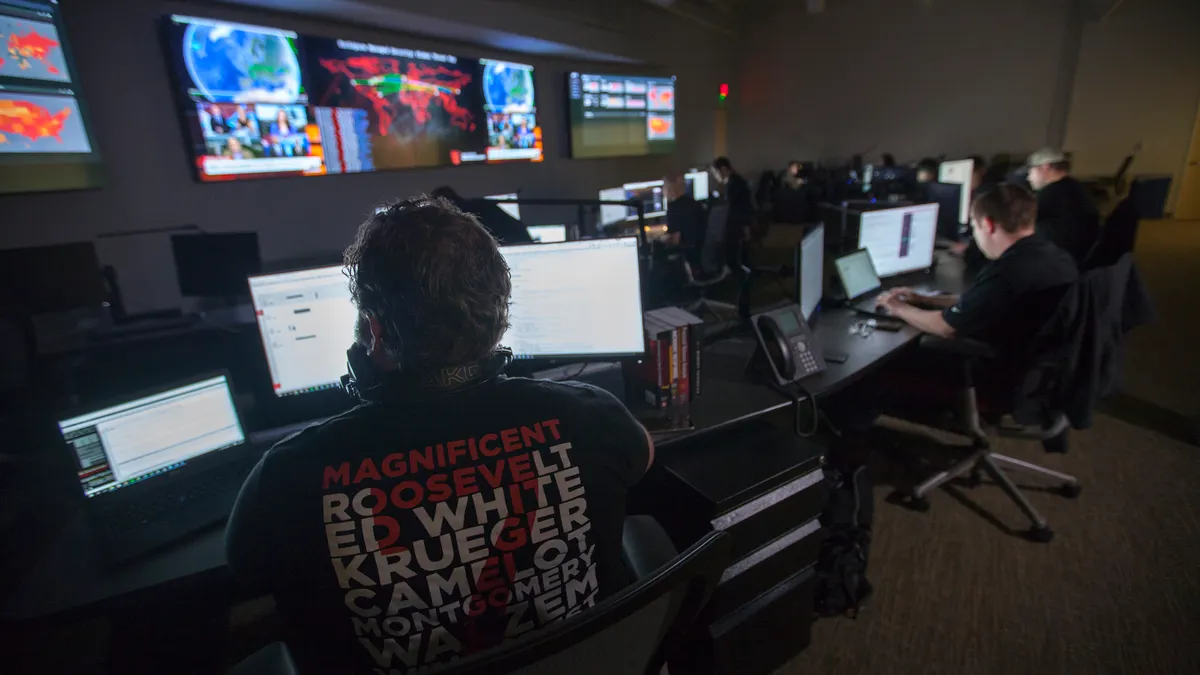
Artificial intelligence is fundamentally transforming the landscape of cybersecurity, bringing both unprecedented relief to overwhelmed security professionals and growing anxiety over the future of entry-level careers. According to a new report from automation and security firm Swimlane, the rapid integration of artificial intelligence into security operations centers (SOCs) is poised to eliminate certain foundational entry-level tasks. At the same time, however, it is carving out new pathways for professionals to cultivate higher-level, strategic skills.
The report, based on a comprehensive survey of 500 security professionals across the United States and the United Kingdom conducted between August and September, provides a nuanced look at how workforce dynamics, career advancement, and daily operational realities are shifting as organizations increasingly turn to automation to manage escalating cyber threats.
The Human Element and Career Advancement
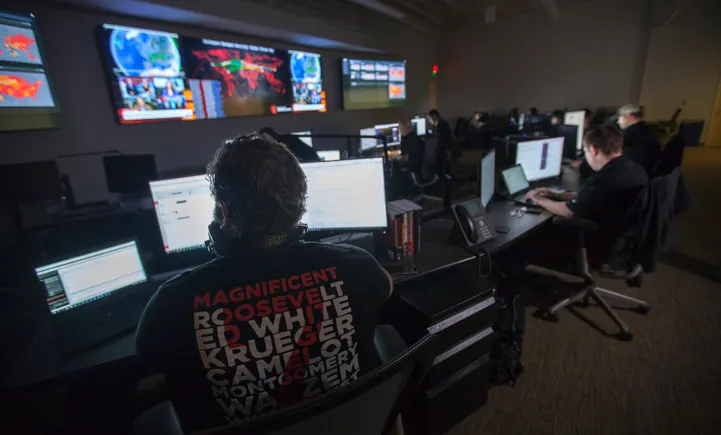
One of the most persistent and pressing questions surrounding the deployment of artificial intelligence in cybersecurity has been its potential impact on workforce development and long-term career progression. Cybersecurity teams have historically relied on entry-level SOC roles as the traditional breeding ground for talent, where junior analysts spend countless hours reviewing routine alerts, triaging incoming data, and handling repetitive foundational duties.
Swimlane’s findings indicate that this foundational pipeline is facing a significant disruption. Nearly half of the survey respondents—47%—predicted that securing an entry-level SOC analyst position will become considerably harder in the future. As machine learning models and automated workflows become more sophisticated, companies are increasingly leaning on algorithms to perform routine screening processes that can be executed more rapidly and at a lower cost by machines.
Despite these concerns over job entry barriers, the sentiment among those currently working within the field is surprisingly positive regarding daily job satisfaction. Nearly two-thirds of workers surveyed—62%—reported that AI tools were actively helping them develop and refine their cybersecurity skill sets. Among this group, an overwhelming 92% stated that their overall job satisfaction had improved since integrating AI into their daily routines.

Even among the minority who felt that AI hindered their skill enhancement—representing 24% of respondents—an astounding 91% still reported higher job satisfaction driven by AI’s incorporation into their operational workflows. Given that widespread professional burnout has historically plagued the cybersecurity industry and prompted many skilled workers to contemplate leaving the sector entirely, the capacity of AI to alleviate heavy operational workloads could prove to be a vital asset for retaining security talent.
Transforming Daily SOC Operations
The day-to-day responsibilities within a security operations center are undergoing a visible evolution. More than four out of ten respondents noted that artificial intelligence had successfully reduced the sheer volume of time they spent investigating known threat patterns. Furthermore, roughly one-third of participants indicated that AI had noticeably accelerated the process of generating remediation recommendations. A comparable proportion highlighted substantial time savings when it came to the critical tasks of reviewing and triaging alerts.
By lifting the burden of these repetitive, high-volume tasks, AI allows security personnel to redirect their focus. However, these repetitive chores represent only a fraction of what actually takes place inside a modern SOC. Complex threat hunting and nuanced decision-making still heavily rely on human expertise, and artificial intelligence frequently struggles to completely supplant human intuition and context awareness.

This tension between machine output and human judgment remains a central theme in modern security operations. Approximately half of the survey respondents indicated that they would trust their own professional instincts over an AI-generated recommendation if the system’s output conflicted with the tangible evidence available to them. Furthermore, roughly one in five respondents expressed concern that their teams might eventually become overly reliant on automated recommendations, creating vulnerabilities if the underlying AI systems misinterpret complex or novel attack vectors.
"As AI assumes more investigative work, analysts are increasingly responsible for validating evidence, handling exceptions and making higher-impact decisions," Swimlane noted in its published findings.
This shift is actively reshaping the required skill set for security professionals. Nearly six in ten workers stated that AI had opened up new opportunities for SOC analysts to hone their strategic decision-making capabilities. This highlights the dual, mixed impact of artificial intelligence: while it successfully reduces the necessity for human involvement in specific, mundane SOC activities, it simultaneously amplifies the demand for sophisticated human oversight and strategic judgment elsewhere.
Divergent Perspectives Among Leaders and Practitioners
The survey also uncovered a notable perceptual gap between executive leadership and frontline practitioners regarding the pace and extent of AI adoption. Leadership figures are visibly more enthusiastic and expansive in their embrace of AI-driven transformation within cybersecurity operations.
When asked about operational capacity, 52% of executive leaders reported being able to manage a significantly broader scope of security activities thanks to AI, compared to only 36% of daily practitioners who felt the same way. A similar disparity emerged regarding the perceived scale of current AI deployment. Roughly 74% of leaders described their organizational deployments of AI as extensive, whereas only 49% of practitioners shared that assessment of their immediate work environments.
Swimlane pointed out that these specific respondents were not necessarily paired within the identical organizations, meaning the findings do not directly expose a point-by-point disagreement within the exact same corporate environment. Nevertheless, the overarching pattern holds significant weight for the industry, particularly because executive leaders ultimately dictate investment priorities, define operational success, and communicate strategic outcomes across the enterprise. As the cybersecurity sector continues to navigate this technological transition, bridging the gap between executive expectation and practitioner reality will remain a critical challenge for organizations looking to harness the full potential of artificial intelligence without alienating their frontline defenders.