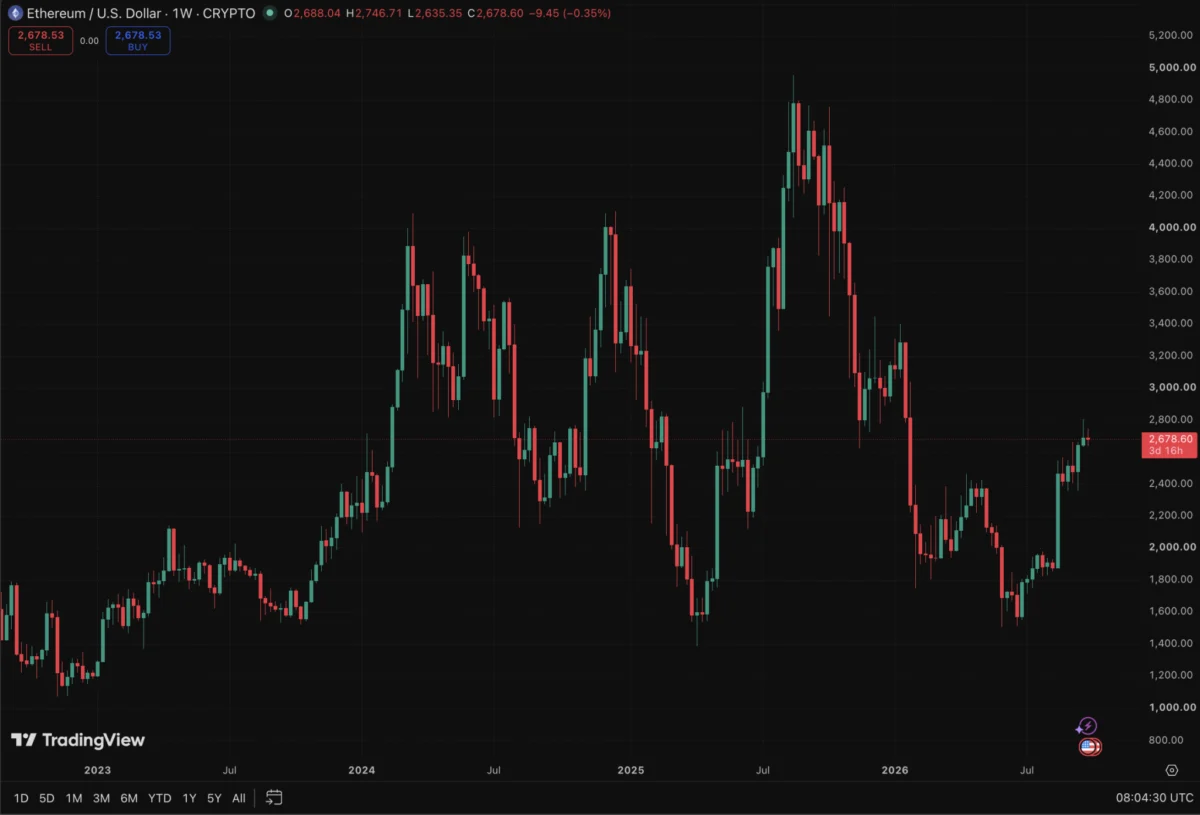
Ethereum staking is facing a renewed spotlight on validator lifecycle mechanics following a security incident at MetaMask Staking, formerly known as Consensys Staking. The platform has initiated precautionary measures to wind down its operations within Lido, prompting widespread discussion across decentralized finance communities regarding network queues, liquid staking tokens, and infrastructure risk. While the move has triggered a lengthy withdrawal and re-entry cycle estimated at up to 45 days, liquid staking protocol Lido has moved quickly to reassure markets that the projection applies to underlying validator machinery rather than user-facing token liquidity.
The development underscores the delicate balance underpinning modern proof-of-stake networks, where user convenience is decoupled from backend infrastructure. As on-chain data and official statements map out the contours of the incident, market participants are weighing the resilience of Lido’s decentralized node operator framework against the operational realities of Ethereum’s consensus layer.
MetaMask Staking Exits Validators Amid Security Investigation
MetaMask Staking announced precautionary steps to protect client assets linked to the Ethereum validators it operates in collaboration with Lido, following an investigation into an infrastructure compromise. The decision sets in motion a structured exit process designed to safeguard funds by taking specific validators offline. According to protocol timelines, the operational wind-down is expected to see final validators exit the active set, though the underlying Ether will require additional processing time to clear withdrawal queues.
The precautionary action brings potential operational consequences, including foregone staking rewards and minor downtime penalties for validators transitioned out of the active set to mitigate network risk. MetaMask has maintained that its user wallets face no immediate threat from the underlying compromise. However, the exact vectors of the incident remain part of an ongoing investigation. Lido has not yet publicly disclosed the full extent of the exposure, the specific systems affected, or the precise financial metrics of the compromised infrastructure.
On-chain explorers and registry tracking tools highlight the scale of the transition. Data from the Lido registry and network blockscout records indicate that the affected footprint encompasses thousands of validators representing a significant volume of staked Ether, estimated at roughly 230,000 ETH. Because the exits are being handled as a proactive security measure rather than a forced liquidation or slash event, the actions reflect a cautious containment strategy by the operator rather than a confirmed loss of capital.

The 45-Day Estimate Describes Validator Re-Entry, Not stETH Access
Much of the initial market discussion centered around a reported 45-day timeframe disclosed by Lido regarding the affected assets. Protocol representatives clarified that the timeline covers the comprehensive validator lifecycle—incorporating the initial exit queue, the withdrawal processing phase, and the subsequent re-entry cycle required to redeploy capital through alternative channels.
Crucially, Lido emphasized that the 45-day estimate does not represent a blanket lockup or redemption freeze for holders of stETH, the protocol’s liquid staking token. stETH holders are not required to take any manual action, and normal protocol mechanisms governing liquidity and token utility remain operational. The distinction highlights a fundamental structural feature of liquid staking: the token-facing experience is designed to remain liquid and decoupled from the operational friction experienced by individual node operators on the backend.
The mechanics of the Ethereum consensus layer dictate this timeline. Ethereum protocol rules enforce strict processing limits on how many validators can enter and exit the active set per epoch, preventing network congestion and maintaining economic stability. When a large cohort of validators initiates an exit simultaneously, they must clear a departure queue before their staked principal and accumulated rewards are released to withdrawal addresses. If an operator wishes to redeploy that capital with alternative infrastructure, the newly provisioned validators must similarly clear the network’s entry queue. This multi-step process accounts for the extended multi-week window cited by the protocol.
Lido’s non-custodial design philosophy plays a vital role in isolating these events. Because operators like MetaMask Staking do not control the withdrawal credentials for the staked positions, their capacity to alter or restrict user funds is strictly limited. Nevertheless, the physical operation of validator nodes remains paramount for generating staking yields and ensuring orderly transitions, meaning infrastructure reliability continues to be a core pillar of system performance.
Diversification and Reserves Contain Disruption, Not Eliminate It
The incident has reignited broader industry conversations about the structural resilience of decentralized staking pools and the limits of operator diversification. Lido relies on a distributed set of independent node operators to dilute single-point-of-failure risks, ensuring that no single entity controls a dominant share of the protocol’s total validator set. When an individual operator encounters infrastructure vulnerabilities, this distributed architecture is intended to absorb the shock without destabilizing the broader protocol.

To further buffer against unexpected disruptions, Lido maintains protocol-level reserves, including an ad hoc reserve pool comprising over 6,750 stETH. While such reserves provide a financial cushion for unforeseen protocol events, protocol representatives have not explicitly detailed whether these reserves were actively tapped to offset reward variances resulting from the MetaMask Staking exit, nor have they quantified any potential net loss.
Market analysts note that while network-level diversification successfully prevents systemic collapse during isolated operator incidents, it cannot entirely erase local friction. An infrastructure failure or security scare at a major node operator inevitably impacts reward generation schedules and introduces temporary operational drag as capital is shifted between providers. The episode serves as a practical stress test for the liquid staking sector, demonstrating how governance frameworks, automated reserves, and transparent communication interact when underlying node operations encounter stress.
As investigations continue, market participants await further disclosures from both MetaMask and Lido regarding the final tally of affected validators and the conclusive financial impact on reward yields. For the broader decentralized finance ecosystem, the event reinforces the reality that while liquid tokens shield end-users from day-to-day operational complexities, the underlying infrastructure of proof-of-stake networks remains subject to technical risks, queue limitations, and the rigorous demands of infrastructure security management.