A California-based cannabis vape pen company that claims to reward customers with cryptocurrency for consuming its products is drawing sharp criticism and raising alarms among public health experts, addiction researchers, and anti-drug campaigners.
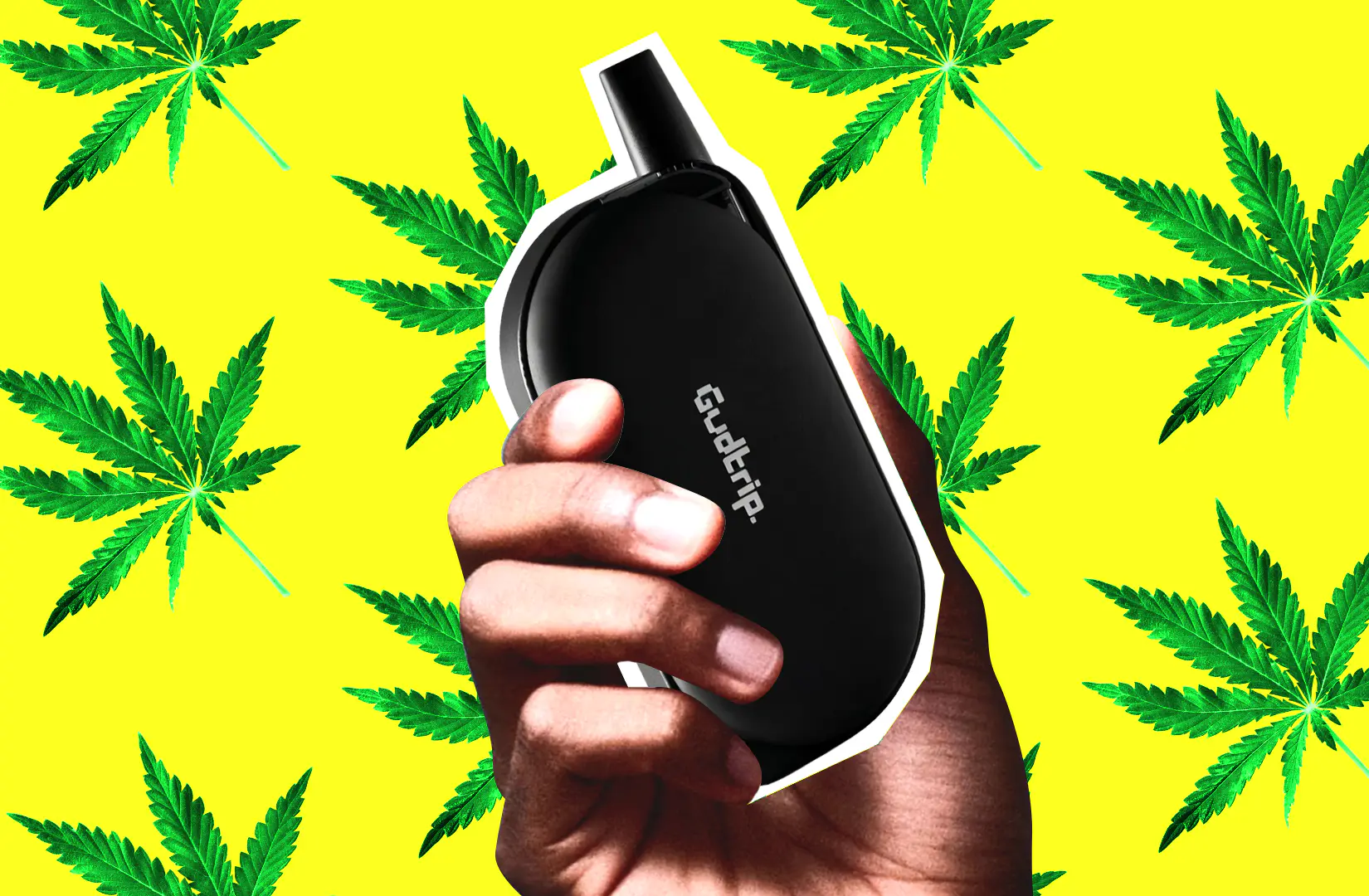
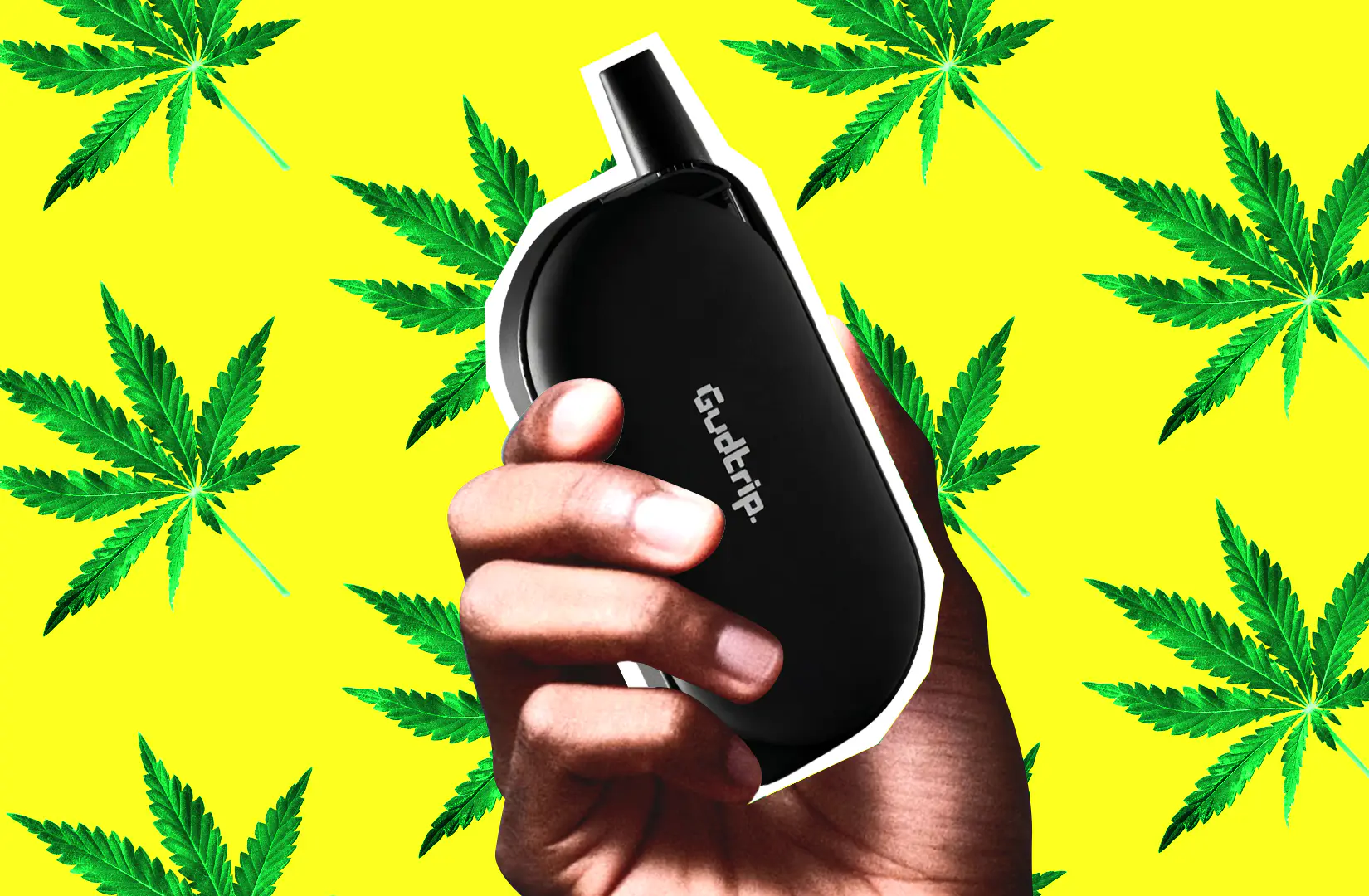
The enterprise, operating under the brand name Gudtrip, markets itself as a pioneering user-powered network that merges cannabis culture, Bitcoin, and artificial intelligence. Emblazoned across the company’s official web presence is a striking and provocative tagline: “Every hit earns crypto.”
According to the company’s promotional material, customers who purchase one of Gudtrip’s cannabis vape pens can synchronize the device with a dedicated mobile application. Once connected, the app purportedly rewards users with Bitcoin and system points every time they use the device. Furthermore, the platform introduces a gamified engagement loop known as daily check-ins, which builds consecutive streaks and increases point accumulation by up to 200%.
While the intersection of blockchain technology and consumer goods is hardly new, the application of financial incentives directly tied to the consumption of an addictive psychoactive substance has triggered profound ethical concerns within the scientific community. Several prominent researchers specializing in cannabis consumption and neuroscience who spoke with reporters warned that encouraging daily, gamified use is inherently dangerous and establishes a fertile ground for habit-formation.
“Gamifying cannabis use? It certainly sounds like habit-formation is the goal,” said Joshua Gowin, an associate professor who studies the effects of frequent cannabis use at the University of Colorado Anschutz.
Janna Cousijn, head of the Neuroscience of Addiction Lab at Erasmus University Rotterdam, echoed these apprehensions with even starker language. She noted that tying tangible rewards directly to a smoking or puffing session psychologically reinforces the behavior, thereby elevating the likelihood of escalating consumption and accelerating the development of a substance use disorder.
“It is potentially a very dangerous and unethical device that could stimulate the development of addiction,” Cousijn said.
In response to these criticisms, a representative for Gudtrip told reporters that the enterprise is “deeply mindful” of the inherent risks associated with cannabis products and maintained that its hardware is not engineered to stimulate greater consumption.
Pushing Boundaries in the Crypto and Cannabis Sectors
The strategy deployed by Gudtrip aligns seamlessly with a broader, increasingly prevalent trend within the cryptocurrency industry over recent years. The sector has evolved into a prominent incubator for products that gamify financial activity, systematically blur the distinct lines separating traditional investing from speculative gambling, and aggressively push the boundaries of what is legally permissible under current regulatory frameworks.
A prime example of this phenomenon is the explosive growth of blockchain-based prediction markets. These decentralized platforms allow internet users to place financial wagers on the outcomes of virtually any real-world event—ranging from major political elections and global sports tournaments to speculative inquiries such as whether the United States government will formally confirm the existence of extraterrestrial alien life. Over the past several years, these platforms have ballooned into a staggering $21 billion industry.
This rapid expansion has not gone unnoticed. Numerous state-level financial regulators, gaming authorities, and lawmakers argue passionately that prediction markets are functionally indistinguishable from traditional gambling, an industry subject to stringent oversight and licensing requirements. Conversely, the operators of these blockchain platforms maintain that they are functioning strictly as legitimate financial trading platforms rather than gambling houses.
Gudtrip fits squarely into this ethos of regulatory boundary-pushing. Beyond its primary vape hardware, the brand actively advertises that its customers can reinvest their earned digital rewards by deploying open-source artificial intelligence agent tools within complex blockchain-based financial strategies.
The parent company steering Gudtrip, known as Puffpaw, is currently experiencing rapid commercial expansion. Following a successful $6 million venture capital funding round secured in 2024, the enterprise reports that it has collectively sold more than 140,000 products, though that total volume encompasses both its cannabis-focused lines and its more widely distributed nicotine-based offerings.
Growing Ethical Concerns Over Heavy Consumption
The alarm raised by researchers is grounded in an extensive body of scientific literature connecting heavy cannabis consumption—defined as using the drug daily or on a near-daily basis—with a wide spectrum of adverse physical and mental health consequences.
Extensive public health research links frequent cannabis use to an elevated risk of developing serious mental health conditions, including anxiety disorders, clinical depression, and psychosis. Additionally, heavy use has been associated with persistent impairments in cognitive functions such as memory, attention, and learning capacity, alongside chronic respiratory issues and an increased statistical risk of cardiovascular events like heart attacks and strokes.
“From a public health perspective, I would be concerned about any product designed to incentivise frequent cannabis use,” said Francesca Filbey, a researcher who investigates the long-term neurological and behavioral effects of cannabis use at the University of Texas at Dallas. “This certainly raises ethical concerns.”
To be sure, medical literature acknowledges that many of the acute and chronic health hazards associated with cannabis are significantly mitigated for individuals who consume the substance only occasionally. Several peer-reviewed drug risk assessment studies published in prominent medical journals, including The Lancet, have historically positioned cannabis as statistically less harmful than a number of popular legal and social substances, such as tobacco and alcohol.
Nevertheless, experts emphasize that the dose-response curve remains a critical factor. Tom Freeman, director of the Addiction and Mental Health Group—who specializes in both the mental health impacts of cannabis and its potential therapeutic applications—pointed out that the probability of experiencing adverse consequences scales directly with the frequency and volume of use.
According to Freeman, the most effective way for consumers to manage personal risk is through careful, highly informed choices guided by transparent THC potency information and adherence to established safer-use guidelines.
“Providing incentives for people who consume more will impair their ability to make choices in the best interests of their health, escalating their use and risk of harms,” Freeman warned.
Clarifying the Nature of Points and Tokens
Addressing the public outcry, the Gudtrip spokesperson asserted that the sole financial reward distributed by the ecosystem is Bitcoin. They characterized this distribution as part of a conventional consumer loyalty program that is completely decoupled from the level, frequency, or duration of actual cannabis consumption.
The spokesperson further clarified that the points users accumulate within the app function exclusively for internal record-keeping. They stated unequivocally that these points cannot be redeemed for cash, cryptocurrency, physical merchandise, or any other asset carrying monetary value.
“We believe that an adult in a legal market who has visibility into their own consumption is better positioned to avoid problematic use than one who does not,” the spokesperson added.
This official characterization appears to stand in direct contradiction to marketing language plastered across Gudtrip’s public website. Promotional copy on the platform explicitly tells prospective buyers that “every hit earns crypto” and prominently features visual mockups showing an application user successfully unlocking a 200% reward boost after maintaining a four-day consecutive check-in streak.
Furthermore, the website’s marketing materials pitch a fundamental shift in consumer dynamics. “In the old consumer model, users bought products and brands kept the upside. In the Gudtrip model, users help build the network and deserve to share in the value they create,” the text reads.
When asked to address these stark inconsistencies between its public-facing marketing copy and the statements provided to journalists, Gudtrip did not immediately respond.
Adding to the skepticism is the broader context of the cryptocurrency sector, where the issuance of points is widely understood by market participants as the preliminary phase preceding the launch of a tradeable digital token. Over the past several years, dozens of decentralized finance projects have initialized points systems, later converting accumulated user points into valuable crypto tokens via airdrops. Consumers and speculators frequently place such high monetary value on these points that they routinely buy and trade them on secondary grey markets.
While Puffpaw, Gudtrip’s parent company, has previously communicated plans on social media to launch a native cryptographic token in the future, the Gudtrip spokesperson maintained that the company has no current plans to issue a token directly connected to its vaping product line.
Legal Status and Regulatory Oversight
In more heavily regulated industries involving controlled substances or adult-use products, market participants frequently adhere to stringent voluntary self-regulatory codes. Within the commercial alcohol sector, for example, the Distilled Spirits Council maintains a Code of Responsible Practice that explicitly mandates that marketing and promotional activities must discourage excessive or abusive consumption. It also prohibits portraying intoxication as socially acceptable and bans the depiction of drinking games or other promotional mechanisms that incentivize heavy drinking.
Because cannabis remains strictly illegal at the federal level in the United States, achieving a unified national industry standard or enforcing uniform best practices across state lines remains exceptionally difficult. The National Cannabis Industry Association, the largest nonprofit trade organization representing legal cannabis businesses nationwide, declined to comment on the matter.
Consequently, individual states that have chosen to legalize cannabis regulate the market independently under their own distinct legal frameworks. Gudtrip vape pens are presently available for purchase exclusively in California, one of 25 U.S. states to fully legalize cannabis for recreational adult use. Unlike several other jurisdictions, California does not maintain explicit statutory prohibitions against advertising campaigns or promotional structures that might encourage heavier consumption of the drug.
By contrast, other states have historically implemented strict preventative measures. Massachusetts, for instance, previously prohibited customer loyalty programs entirely within the cannabis sector specifically to prevent companies from incentivizing overconsumption, though those specific regulatory prohibitions were ultimately lifted on April 20.
The emergence of crypto-incentivized vaping has drawn condemnation from prominent anti-legalization advocates.
“Paying people to use this stuff — literally paying them — is unacceptable,” said Kevin Sabet, CEO of Smart Approaches to Marijuana, a national nonprofit organization dedicated to opposing the commercialization and legalization of cannabis. “California’s financial and health authorities need to act against this insanity.”
In California, commercial cannabis activity is overseen and licensed by the Department of Cannabis Control, commonly known as the DCC.
“The Department of Cannabis Control does not promote increased consumption of cannabis and encourages those who use cannabis to do so responsibly,” said Jordan Traverso, deputy director of public affairs at the agency.
Traverso acknowledged that regulatory authorities were not previously aware of the Gudtrip product, noting that the agency has officially reached out to the manufacturer to investigate its features and operational mechanics more closely.