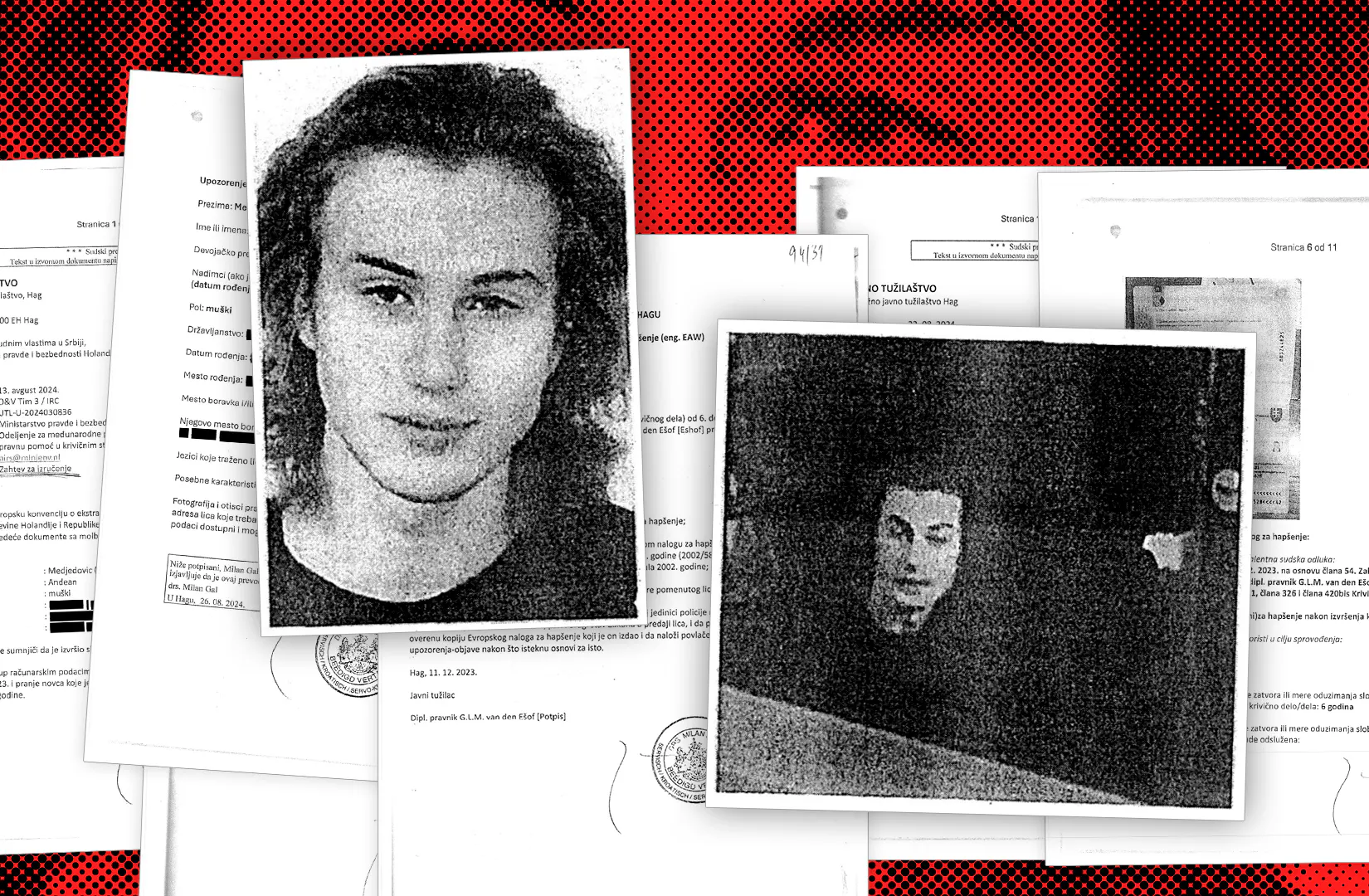
A cryptocurrency wallet linked to Andean Medjedovic, the math prodigy turned alleged hacker behind the multi-million-dollar exploits of Indexed Finance and Kyberswap, has sprung back to life after a year-long hiatus. Onchain records show that the wallet recently transferred approximately $13.5 million worth of Ether tokens into Tornado Cash, a widely used and controversial protocol designed to obscure the trail of digital assets.
The abrupt awakening of the dormant wallet has sent ripples through the decentralized finance community, once again casting a spotlight on the challenges of tracking illicit funds and holding cross-border cybercriminals accountable. Security analysts and blockchain investigators monitoring the wallet’s movements have expressed dismay at the brazenness of the transfer, particularly given the high-profile nature of the charges previously leveled against Medjedovic by international law enforcement agencies.
Whether Medjedovic himself initiated the recent transactions remains unverified by independent sources. Investigators note that the accused hacker has previously been accused of collaborating or conspiring with other actors to shift stolen capital across various blockchain networks. Nevertheless, the latest injection of funds into Tornado Cash brings the total estimated volume of money laundered from Medjedovic’s alleged exploits to nearly $25 million.
The development underscores a persistent thorn in the side of DeFi protocols: the relative ease with which sophisticated actors can cycle stolen capital through privacy-enhancing tools. Between 2021 and 2023, Medjedovic allegedly siphoned approximately $65 million by weaponizing subtle code vulnerabilities within two prominent decentralized finance projects, Indexed Finance and Kyberswap.
The severity of the breaches prompted a decisive response from US authorities. In February of last year, the US Department of Justice formally charged Medjedovic with multiple counts of wire fraud, computer hacking, and attempted extortion. Despite the mounting legal pressure and federal indictments, Medjedovic has consistently maintained his innocence. While he does not dispute his physical involvement in the underlying transactions, he staunchly argues that his actions constituted legitimate, albeit aggressive, trading strategies that simply capitalized on flaws in how the protocols’ smart contracts were written. This defense relies on an ideological philosophy common in certain fringe tech circles known as "code is law," which posits that any outcome permitted by a system’s programmed rules is inherently permissible.
The reactivation of the wallet has provoked sharp reactions from the onchain forensics community. Specter, a pseudonymous blockchain investigator who has closely tracked Medjedovic’s digital footprint over the years, voiced deep concern over the ongoing vulnerability of the ecosystem.
"It’s concerning to see a threat actor act with such confidence after exploiting multiple victims," Specter said in comments shared on social media. "Hopefully, he is apprehended and held accountable."
Who is Andean Medjedovic?
The saga of Andean Medjedovic is as unusual as it is troubling, rooted in an extraordinary intellectual background that eventually collided with the darker corners of the digital asset economy. A Canadian national, Medjedovic was widely regarded as a mathematical prodigy in his youth, completing his high school education at the tender age of 14.
He subsequently enrolled at the University of Waterloo—the prestigious Canadian institution famously attended by Ethereum co-founder Vitalik Buterin. Demonstrating exceptional aptitude, Medjedovic completed an undergraduate degree in pure mathematics in just three years, a full year faster than the standard curriculum. He followed this achievement by securing a master’s degree in mathematics in a single year.
However, the transition from academic brilliance to notoriety happened swiftly. Shortly after completing his higher education, Medjedovic was unmasked in connection with the October 2021 hack of Indexed Finance, which resulted in the theft of approximately $16 million. The breakthrough in identifying him came not from sophisticated state surveillance, but from a seemingly trivial digital breadcrumb left behind in a moment of vanity.
Under a username previously associated with his real-world identity, Medjedovic edited the Wikipedia page for a Canadian television show he had once appeared on as a child. He added himself to the program’s list of notable alumni, describing his adult persona as a "notable mathematician." Investigators quickly realized that the exact same username had been used to register for a competitive programming event. Crucially, the registration and associated accounts were tied directly to the digital wallets that had executed the Indexed Finance heist.
While this digital paper trail was sufficient to connect Medjedovic’s legal identity to the multimillion-dollar theft, it was not immediately enough to secure his detention. In December 2021, after an Ontario judge issued an arrest warrant following his failure to appear for a scheduled court date, Medjedovic went on the run.
On the Run
For years, Medjedovic navigated the life of an international fugitive. In early 2023, he spoke with reporters, confirming that he remained in hiding while residing on an undisclosed island. During those conversations, he frequently steered discussions away from his legal troubles to air controversial social viewpoints, disparaging women and making various racist remarks.
During his time as a fugitive, Medjedovic attempted to rebrand his public persona, claiming that he had transitioned into a "whitehat"—an ethical security researcher who breaches systems with prior authorization to uncover vulnerabilities and bolster network defenses. Yet this narrative collapsed as blockchain forensics revealed a continuity of malicious intent. Months after his claims, wallets linked to the original Indexed Finance exploit began receiving substantial funds originating from the $48 million Kyberswap hack, tying Medjedovic directly to the second major protocol breach.
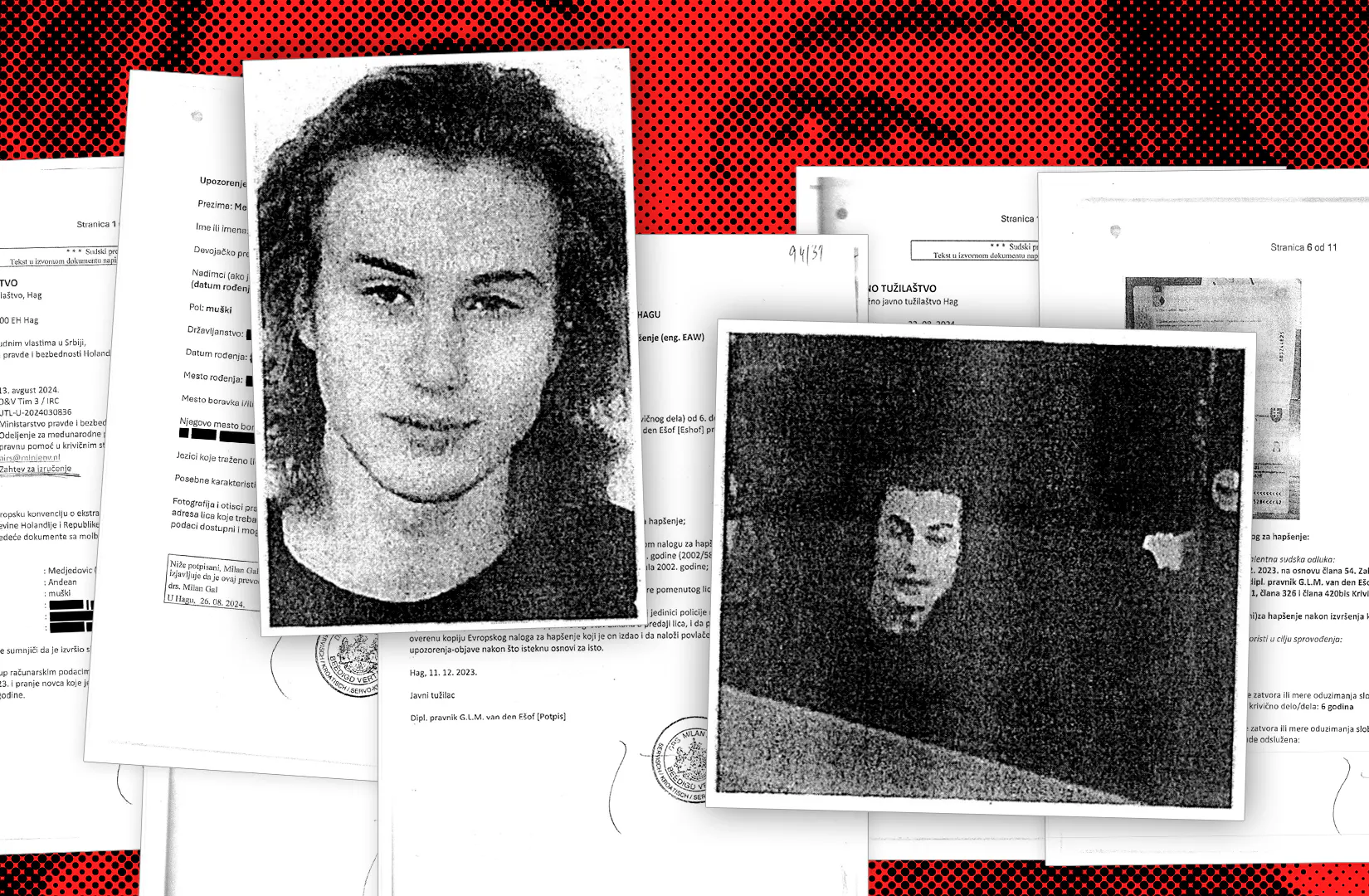
His elusive lifestyle faced a temporary disruption in 2024 when he was apprehended in Serbia pursuant to an international arrest warrant issued by the Netherlands, which sought his extradition over the two high-profile crypto exploits. Medjedovic vehemently denied the allegations before the judiciary. Ultimately, the Belgrade Higher Court ordered his release in November of that year, ruling that the evidence presented by Dutch prosecutors fell short of conclusively proving his role as the perpetrator. Furthermore, the court noted that even if culpability were established, the specific offenses carried penalties too light under domestic legislation to justify formal extradition.
Presidential Pardon?
The legal landscape surrounding Medjedovic took another dramatic turn when legal filings revealed that the fugitive had retained the services of JM Burkman & Associates, a Washington, D.C.-based lobbying and government relations firm. Filed under the Foreign Agents Registration Act, the documents show that Medjedovic paid a $300,000 upfront retainer for a six-month lobbying campaign aimed at securing a presidential pardon for his federal charges in the United States.
The strategy outlined by the lobbying firm intends to challenge the foundational basis of the Department of Justice’s prosecution. Representatives plan to argue that the conduct attributed to Medjedovic falls under regulatory purview rather than criminal enterprise, pointing to a broader shift in federal enforcement trends. Furthermore, the defense intends to highlight that similar crypto-related enforcement actions have been dismissed or favorably resolved in recent months, and that the underlying incidents bear little to no direct connection to the United States.
Legal observers have noted that the political and regulatory climate surrounding cryptocurrency enforcement has shifted noticeably. In recent months, federal agencies have dropped or settled several high-profile crypto cases. Last year, the Securities and Exchange Commission dismissed charges against BitClout founder Nader Al-Naji, who had previously faced joint DoJ and SEC indictments for alleged fraud and the sale of unregistered securities involving millions in investor funds. Similarly, entrepreneur and prominent Bitcoin investor Roger Ver entered into a deferred prosecution agreement with the Justice Department after paying nearly $50 million in back taxes, interest, and penalties, resulting in the dismissal of his indictment.
With federal prosecutors recalibrating their approach to digital asset litigation and Medjedovic’s newly mobilized legal team pressing for clemency, the return of the hacker’s wallet to active laundering channels highlights the ongoing friction between decentralized finance innovation, international law enforcement, and accountability in the blockchain era.