The United States Senate voted unanimously on Thursday to ban prediction market trading among senators and their congressional staffers, marking a significant escalation in efforts to curb potential conflicts of interest in Washington.
The upper chamber of Congress joined a growing list of public and private organizations that have recently implemented strict bans preventing employees from trading on decentralized and centralized prediction platforms. The momentum behind these restrictions has accelerated sharply following high-profile concerns regarding the potential exploitation of nonpublic information.
Just last week, Illinois Governor JB Pritzker issued an executive order banning state employees from using insider information to place bets on prediction market applications like Kalshi. A day prior to that action, National Public Radio issued a similar internal directive prohibiting its editorial employees from engaging with such platforms.
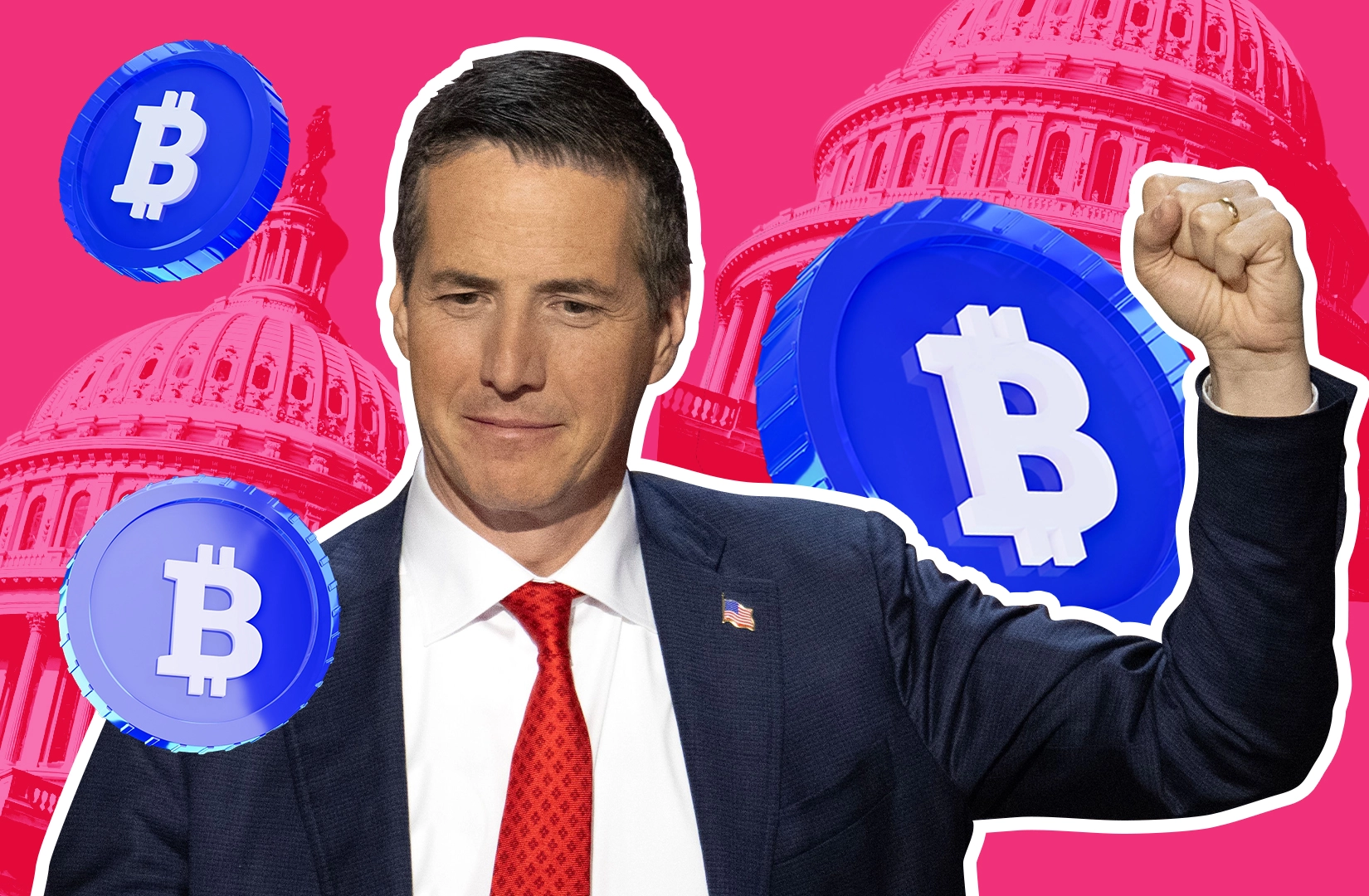
The Senate’s internal action was spearheaded by Ohio Republican Senator Bernie Moreno, who sponsored the resolution. Highlighting the ethical expectations of lawmakers, Moreno took to social media to emphasize the core premise of public service.
"Serving in Congress is an honor, not a side hustle," Senator Moreno wrote in a statement published on X. "Americans deserve to know that their leaders are here for the right reason!"
The resolution approved by the Senate alters the internal rules governing the chamber. Under the current framework, violations of these rules are policed directly by its members. Because the measure modifies internal operating procedures rather than establishing a statutory federal crime, it does not carry the formal force of law, nor does it require approval from the House of Representatives or the signature of the president to take effect.
The unanimous Senate vote arrives at a time when Capitol Hill is being flooded with an array of legislative proposals aimed at regulating the burgeoning prediction market industry. Lawmakers from both sides of the aisle have grown increasingly vocal about the regulatory gaps that allow individuals with access to sensitive government data to leverage confidential insights for financial gain.
In January, New York Representative Ritchie Torres introduced the Public Integrity in Financial Prediction Markets Act of 2026. The legislation was designed specifically to block federal officials from trading on prediction markets in response to what lawmakers identified as suspicious market activity. The scrutiny intensified further in March, when Democratic Senators Jeff Merkley and Amy Klobuchar filed a separate bill seeking to formally prohibit senior members of the executive branch from profiting through prediction market platforms.
Bipartisan initiatives are also gaining traction in the House. A cooperative bill introduced by Representatives Blake Moore of Utah and Salud Carbajal of California aims to systematically rein in insider trading risks that involve sensitive military secrets, classified operational details, and core democratic processes.
Other pending legislative measures go even further, attempting to restrict prediction markets from offering derivative contracts tied to sports betting or sensitive topics. These include proposed prohibitions on contracts that reference acts of terrorism, political assassinations, warfare, or the death of individuals.
Lawmakers first began to scrutinize prediction markets intensively after anonymous users executed remarkably accurate and lucrative trades moments before major geopolitical and governmental announcements. These well-timed financial transactions raised immediate suspicions among regulators and investigators that market participants were exploiting nonpublic, classified information to guarantee profits.
The validity of these concerns was underscored last week when the United States Department of Justice formally announced criminal charges against an individual accused of engaging in precisely this type of illicit activity.
Federal prosecutors alleged that US Army Special Forces Master Sergeant Gannon Ken Van Dyke utilized privileged knowledge regarding the clandestine ouster of Venezuelan President Nicolás Maduro to profit from several financial contracts on Polymarket. According to a separate civil complaint filed by the Commodity Futures Trading Commission, the 38-year-old soldier was directly involved in planning and executing the removal operation, known officially as Operation Absolute Resolve. Authorities state that Van Dyke amassed more than $404,000 in illicit profits through his prediction market trades.
The fallout from the Maduro operation has placed major prediction platforms under intense legislative fire. Earlier this month, US Senator Richard Blumenthal publicly accused Polymarket of enabling users to profit directly from national security secrets. Blumenthal specifically criticized the platform for listing a market that allowed users to bet on the rescue of a US soldier stranded in Iran, calling the contract an unacceptable breach of ethical and security norms.
In response to the mounting public criticism and political pressure, Polymarket officials defended the platform’s operational model and compliance framework.
"Polymarket operates in full compliance with applicable law, and our insider trading rules are the exact lines that the CFTC and courts draw for derivatives markets," Olivia Chalos, Polymarket’s deputy chief legal officer, wrote in a statement posted to X.
Chalos added that the prediction platform shares Senator Blumenthal’s fundamental "commitment to national security and market integrity."