President Donald Trump’s high-profile economic announcements are facing renewed skepticism and rigorous scrutiny following revelations that a heavily promoted $15 billion Iowa steel plant is far from a finalized deal. Unveiled with great fanfare at the White House on September 28, the ambitious project was pitched as a massive economic win for America’s industrial heartland just weeks ahead of the upcoming midterm elections. However, a closer examination of the initiative reveals that, at the time of writing, the proposed Iowa steel plant lacks a confirmed building site, necessary environmental and local permits, and any binding legal contracts between the involved parties.
The discrepancies surrounding the project have raised broader doubts regarding the tangible reality of White House economic announcements made during the critical window leading up to the midterms. While administration officials have defended the timeline and viability of the industrial undertaking, local authorities, regional media outlets, and skeptical lawmakers have pointed to a glaring absence of foundational groundwork. As analysts, investors, and voters attempt to separate campaign-trail rhetoric from enforceable commercial agreements, the Iowa venture has quickly transformed from a celebrated industrial milestone into a lightning rod for political and economic debate.
Trump’s Economic Announcements Put Iowa Steel Plant Under Scrutiny
The latest wave of high-stakes economic declarations kicked off inside the Oval Office on a Monday morning, setting the tone for a week defined by ambitious infrastructure promises. According to the administration, the driving force behind the multi-billion-dollar mill is Mesabi Metallics, a subsidiary operating under India-based conglomerate Essar Group. The corporate entity reportedly intends to establish a state-of-the-art steel manufacturing facility in Lee County, Iowa, with an optimistic target of producing and shipping finished steel products by the year 2030.
During the White House unveiling, Commerce Secretary Howard Lutnick forcefully vouched for the certainty of the agreement when pressed by reporters and observers. Expressing absolute confidence in the proceedings, Lutnick stated during the briefing, "I think this deal is done. This deal is done. They’ve already worked it out. That’s why we’re all together with the president. The president doesn’t bring people together unless it’s a done deal. You guys know that already."
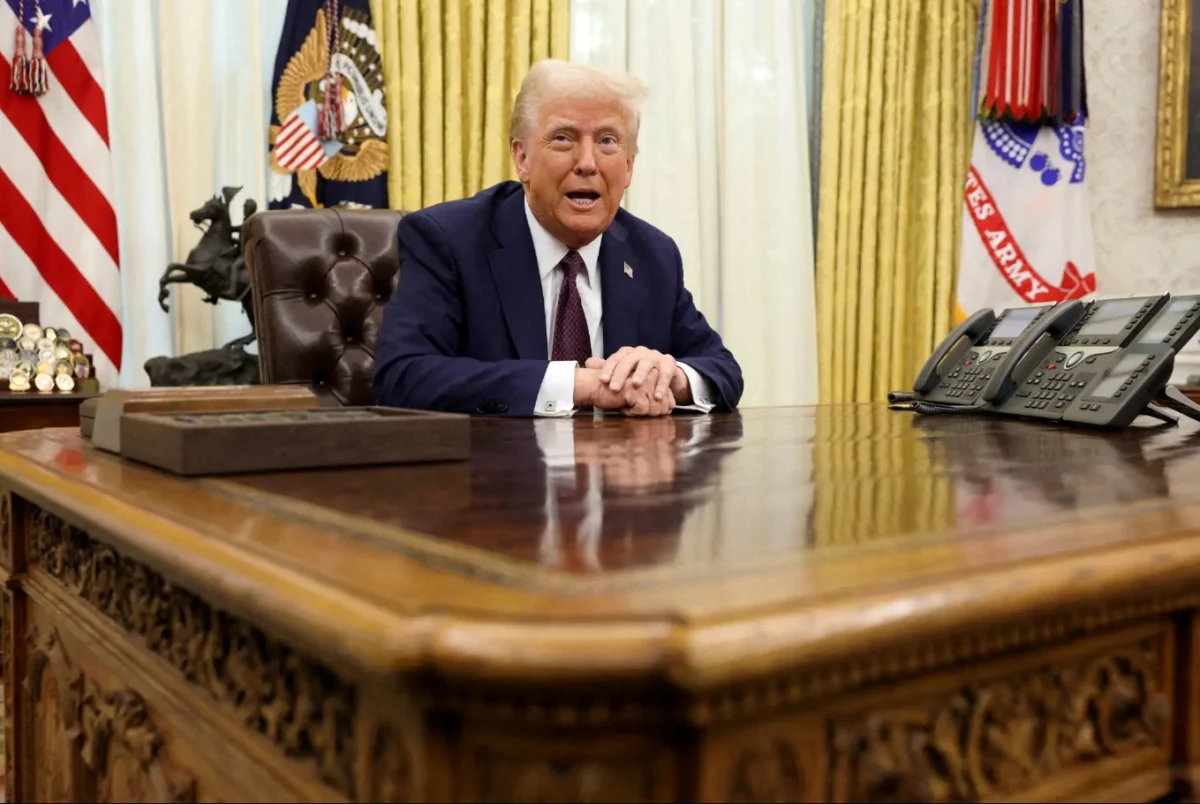
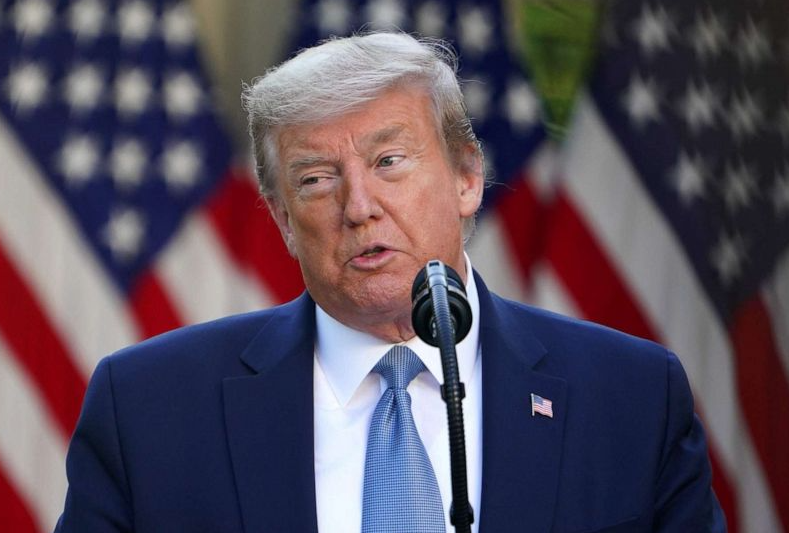
Adding to the administration’s definitive stance on the matter, the president himself interjected during the press conference to emphasize that physical progress was already underway, asserting firmly, "They’ve already started building."
The Iowa Steel Plant Still Has No Site
Despite the administration’s assertions that physical construction was already materializing, the reality on the ground in Lee County paints a starkly different picture. Investigative reporting by local news outlet KWQC revealed that the project has neither acquired the necessary land parcels nor submitted applications for essential operational permits. Furthermore, local Lee County officials confirmed that they had received no concrete details, formal blueprints, or scheduling metrics regarding the massive industrial footprint the White House described.
The political fallout from the announcement triggered rapid legislative maneuvers at the state level. Just a day after the high-profile Iowa announcement, state leadership convened a special legislative session focused squarely on economic tax incentives. On October 2, a sweeping tax incentive package totaling $1.36 billion was officially signed into law. The rapid pace of the legislative action, however, did not secure unanimous support, with several conservative Republicans breaking ranks to vote against the bill due to fiscal concerns over transferable tax credits.
Voicing sharp opposition to the structure of the state-level financial backing, Republican Senator Dan Dawson of Council Bluffs explained the mechanics and risks of the legislation to constituents and colleagues. Dawson stated, "For those that don’t understand what a transferable tax credit is, it simply takes your money and your money and your money and giving it to a company and then letting that company sell the tax credit or put it up as collateral."
Foxconn Comparisons And An Alaska Pushback
The uncertainty surrounding the Lee County project has inevitably drawn sharp comparisons to past industrial announcements that failed to materialize in the manner originally advertised. Many observers and regional critics have pointed to the infamous Foxconn agreement, a $10 billion manufacturing plant in Wisconsin that President Trump heavily promoted during a White House event in 2017. That venture ultimately fell far short of its initial projections, with the promised manufacturing complex largely unbuilt in the scale originally promised. For many skeptical Iowans, the parallels serve as a cautionary reminder that presidential economic announcements do not automatically translate into permanent, operational factories or sustainable local economies.
The skepticism surrounding the administration’s economic diplomacy was not confined to the Midwest. A parallel initiative intended to showcase international investment in American energy hit a similar roadblock in Alaska. During another White House economic presentation earlier in the week, the president asserted that South Korea was prepared to commit more than $50 billion toward the development of a major natural gas pipeline project.
However, that claim met swift and public pushback from foreign officials. According to reports from South Korea’s Yonhap news agency, South Korean Trade Minister Kim Jung-kwan publicly distanced his government from the definitive figures cited at the White House. Clarifying the status of the discussions, Minister Kim stated, "Putting figures or using definitive language goes far beyond what was agreed."
What It Means For Trump’s Iowa Steel Plant
Both the Iowa steel initiative and the Alaska energy proposal share a common geopolitical and domestic backdrop, as they are situated in states featuring fiercely contested Senate races approximately one month before the 2026 midterms. For financial market participants, stock traders, and cryptocurrency investors—who frequently navigate rapid market swings driven by policy headlines and political declarations—the developments offer a sobering lesson. The episode underscores the reality that headline-grabbing White House economic announcements often carry a wide gap between political aspiration and legally binding commercial execution.
This is not the first instance in which administration economic announcements have encountered logistical or diplomatic friction. The proposed Iowa steel plant still faces significant regulatory hurdles, requiring a secure physical site, comprehensive environmental and municipal permits, and a finalized, binding contract. While regional officials have suggested that final agreements could potentially be reached by November, the timeline means that voters evaluating the project’s validity will likely only discover the outcome after the midterms have concluded. For the time being, the much-toutated Iowa steel plant remains a conceptual development plan rather than an active construction site.