US Senators Elizabeth Warren and Ron Wyden are demanding formal answers from Commerce Secretary Howard Lutnick following investigative reports raising serious questions about his ongoing financial relationship with Tether, the world’s largest stablecoin issuer.
The parliamentary and political pressure centers on a financial transaction that took place in October, when a trust established for the benefit of Lutnick’s four children secured a loan from Tether. This borrowing occurred precisely as Lutnick was finalizing the sale of his multibillion-dollar stake in Cantor Fitzgerald, the major Wall Street financial services firm where he formerly served as chairman and chief executive officer.
According to previous investigative reporting by Bloomberg, Lutnick’s massive equity stake in Cantor Fitzgerald was distributed across multiple family trusts benefiting his children. However, the specific trust that took out the loan from Tether holds more than half of the total equity in Cantor Fitzgerald. Furthermore, reports indicate that the loan was secured by "all assets" contained within that trust, binding the high-value financial assets directly to the offshore stablecoin giant.
In a sharply worded oversight letter dated April 29, Senators Warren and Wyden made it clear that the transaction demands immediate federal scrutiny.
“Pokud reports of this loan are accurate, it would raise serious questions about your relationship with Tether and the company’s influence on your policy decisions,” Warren and Wyden wrote in their correspondence to the Cabinet official. “We want to ensure that Tether has not sought to bribe or otherwise exert control or influence over you.”
Neither Tether nor the United States Department of Commerce immediately responded to requests for comment regarding the senators’ inquiries.
The congressional inquiry serves as the latest flashpoint in an ongoing political battle in Washington, where Democratic lawmakers increasingly utilize the cryptocurrency industry as a political cudgel against President Donald Trump and his administration. With numerous members of the Trump administration and presidential allies maintaining deep ties to digital asset firms, Democrats have repeatedly argued that these overlapping financial interests create severe, unmanageable conflicts of interest. The subject has become a fixture of virtually every congressional hearing concerning digital asset legislation since President Trump assumed office for his second term.
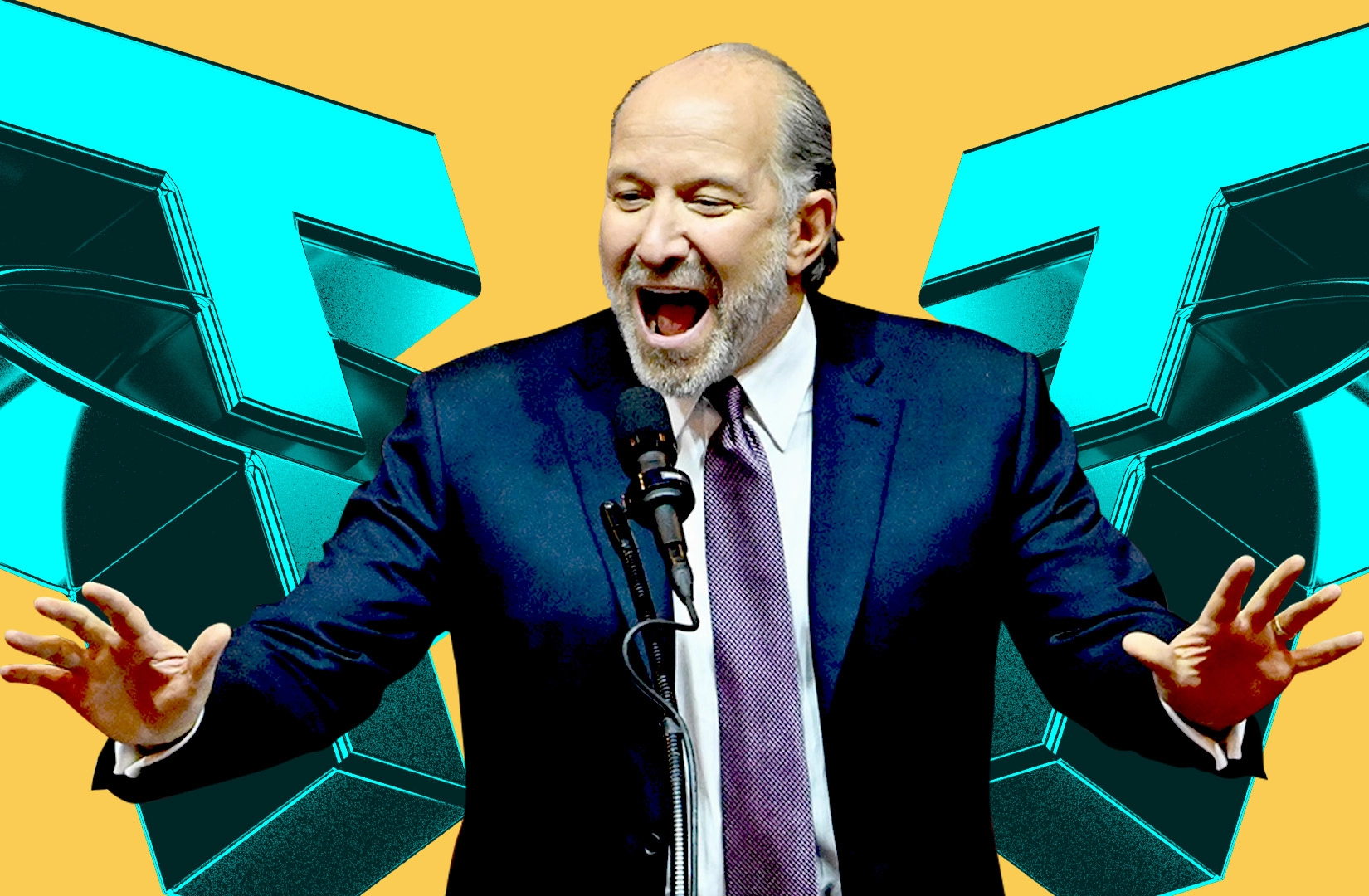
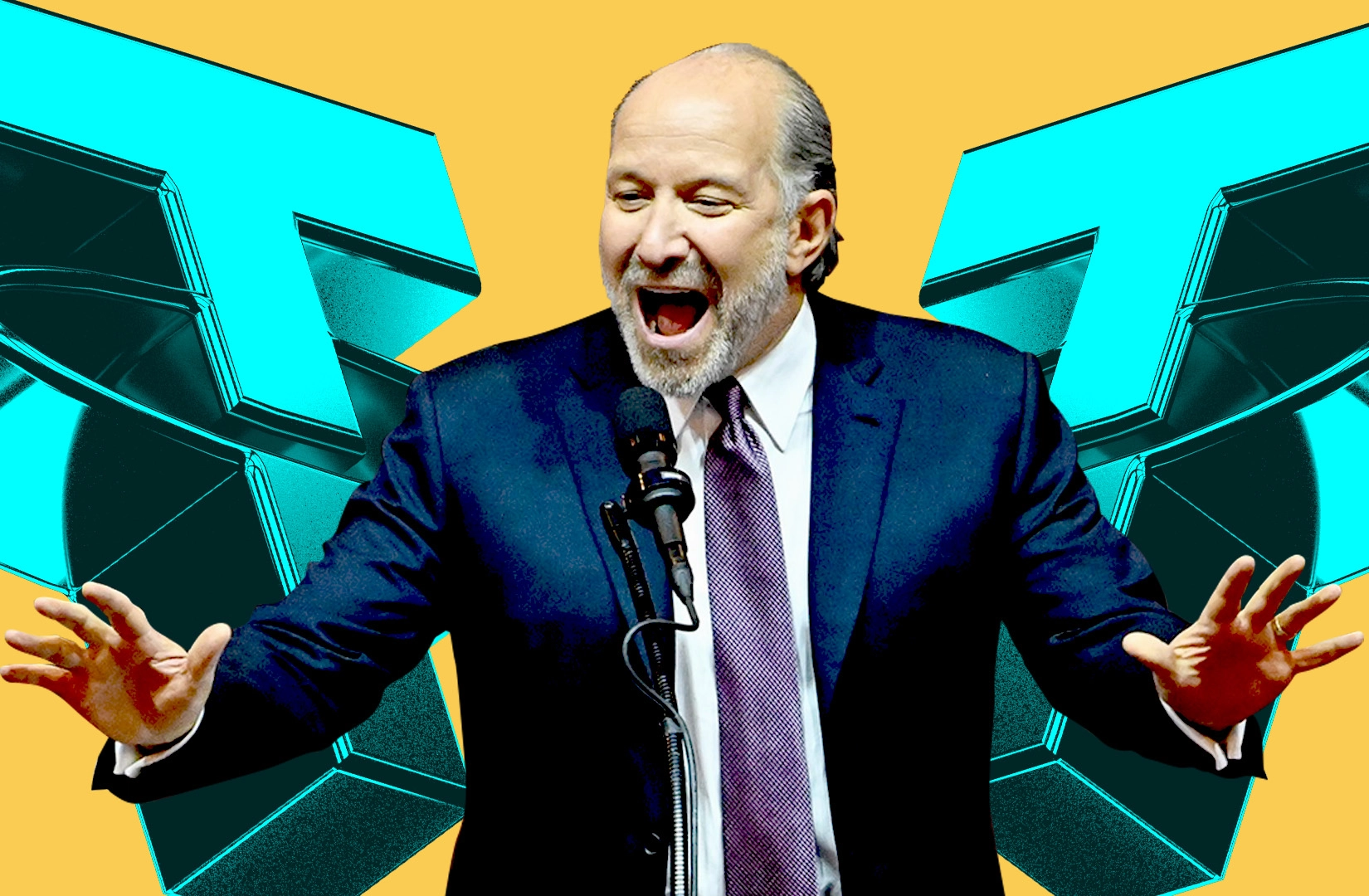
Howard Lutnick’s ties to Tether are deep, long-standing, and well-documented within financial and political circles. Before joining the Trump administration as Commerce Secretary in February 2025, Lutnick spent decades at the helm of Cantor Fitzgerald. Under his leadership, the New York-based financial institution became the primary custodian and manager for the billions of dollars in US Treasury bonds that back USDT, the massively popular digital stablecoin issued by Tether.
Lutnick’s involvement with the stablecoin issuer extended far beyond standard business transactions. Amid persistent public skepticism, market rumors, and regulatory scrutiny regarding whether USDT was genuinely backed by high-quality, liquid reserve assets, Lutnick emerged as one of the cryptocurrency’s most prominent institutional defenders.
Speaking publicly at a televised panel during the World Economic Forum in Davos, Switzerland, in 2024, Lutnick openly vouched for the firm’s financial integrity. “There’s a company that I like called Tether,” Lutnick told the audience at the time. “From what we’ve seen, and we did a lot of work, they have the money they say they have.”
Upon his confirmation as Commerce Secretary in February 2025, federal ethics guidelines and conflict-of-interest rules required Lutnick to divest from his extensive commercial holdings, including his multi-billion-dollar stake in Cantor Fitzgerald. He officially completed that complex divestiture process in October 2025, utilizing the family trusts that subsequently became entangled with the Tether loan.
The timing and mechanics of the transaction have now drawn intense suspicion from Capitol Hill.
“This document raises questions about whether Tether may have helped provide your children with the capital needed to purchase your stake in Cantor Fitzgerald, and in return, secured an interest in your children’s assets,” Warren and Wyden wrote in their letter.
In their formal request for transparency, the two senators pressed Lutnick for specific clarifications regarding the nature of the transaction. They asked whether the loan provided by Tether directly or indirectly financed the divestiture of his stake in Cantor Fitzgerald. Additionally, they demanded to know whether Lutnick played any direct or indirect role in procuring, soliciting, or negotiating the loan on behalf of the family trust.
The lawmakers also requested precise details regarding the total size, financial terms, and collateral structure of the borrowing arrangement, alongside a comprehensive accounting of any communications Lutnick or his representatives have had with Tether executives or affiliates since he took the oath of office as Commerce Secretary.