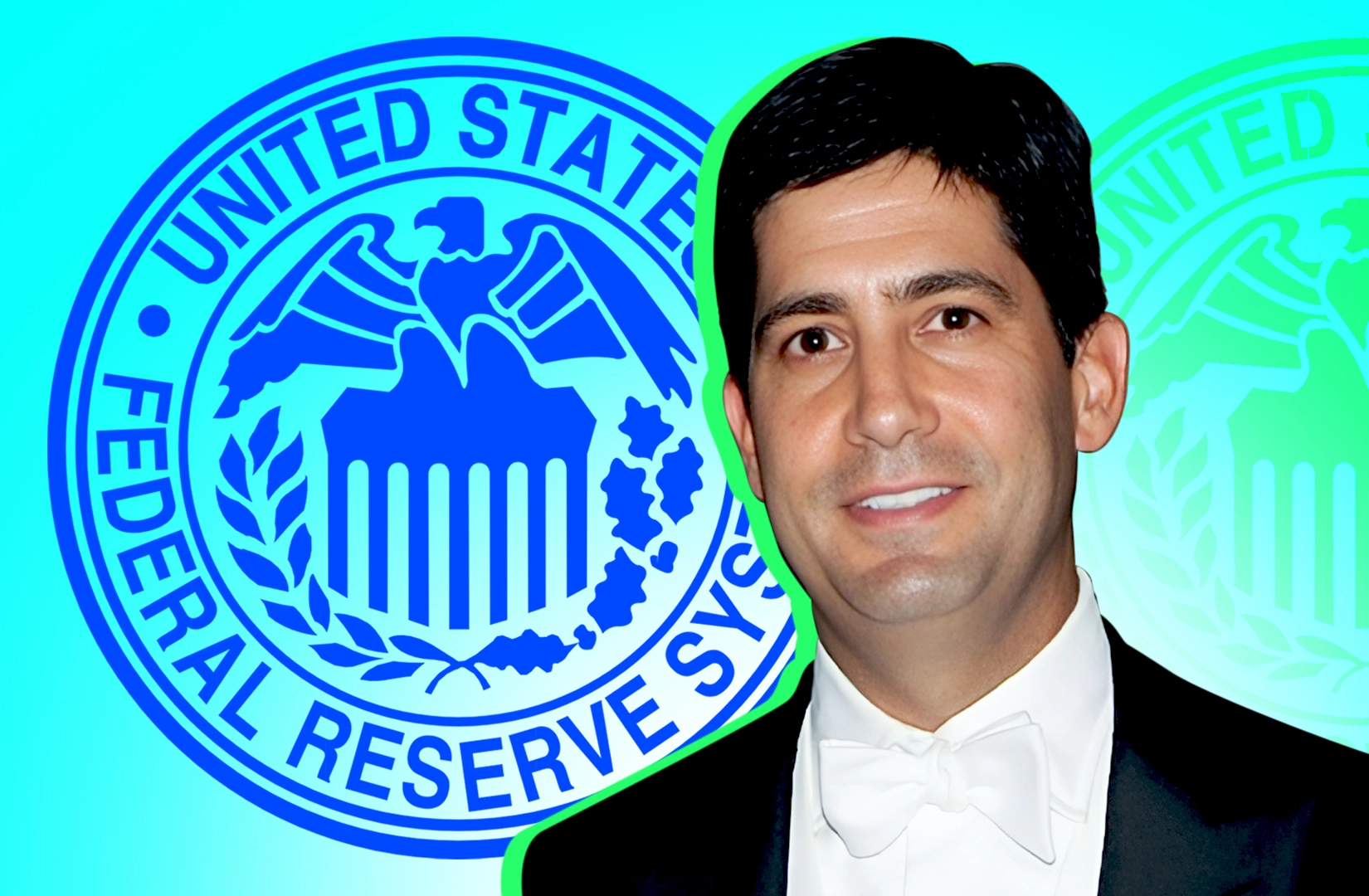
WASHINGTON — US Senators voted strictly along party lines on Wednesday to advance the nomination of Kevin Warsh, President Donald Trump’s pick to lead the Federal Reserve, setting the stage for a final confirmation vote by the full chamber in the coming weeks.
The vote within the Senate Banking Committee clears a major procedural hurdle and places Warsh on a clear, unobstructed path toward securing the central bank’s top post. Warsh was initially nominated by the president in January, but his confirmation process ground to a protracted halt due to fierce opposition from Senator Thom Tillis, a Republican from North Carolina, whose pivotal vote served as the deciding swing on the committee.
Tillis had steadfastly refused to support Warsh as long as federal prosecutors maintained an active investigation into outgoing Fed Chair Jerome Powell. Powell, Tillis, and a significant bloc of congressional Democrats characterized the federal inquiry as a heavy-handed and brazen attempt by the president’s political allies to pressure a member of the Federal Reserve’s Board of Governors into voting for lower interest rates.
During a high-stakes confirmation hearing last week, Tillis addressed Warsh directly regarding the controversy. Acknowledging Warsh’s professional background, Tillis told the nominee that his credentials were extraordinary and impeccable. However, the North Carolina senator drew a firm line, urging that the investigation be dropped so that he could proceed with supporting the nomination.
The political dynamic shifted late last week when US Attorney Jeanine Pirro announced that her office would drop the ongoing investigation into Powell. Following that announcement, Tillis promptly declared that he would clear the way for Warsh by voting in favor of his nomination.
Despite the formal closure of the case, Pirro added a caveat in her announcement, stating that she "wouldn’t hesitate" to reopen the legal proceedings if circumstances warranted. That caveat immediately became a focal point of criticism during Wednesday’s committee proceedings, highlighted sharply by Senator Elizabeth Warren, the top Democrat on the banking panel.
Warren argued that the closure of the probe was a superficial maneuver designed solely to secure the confirmation without removing the underlying pressure on the central bank. No one is fooled, Warren remarked during the session, asserting that the administration is still actively pursuing control over the Federal Reserve and is keeping the potential threat of bogus charges alive until it achieves its desired policy outcomes.
Questions concerning Warsh’s institutional independence, or the perceived lack thereof, formed the core of the opposition’s line of attack during last week’s committee hearings. During one particularly heated exchange, Warsh reportedly declined to name any specific political or economic issue on which he disagreed with the president, prompting intense scrutiny from progressive lawmakers.
Expounding on that exchange during Wednesday’s committee meeting, Warren did not mince words regarding the nominee’s perceived alignment with the executive branch. Mr. Warsh is a Trump sock puppet who is so cowed by the president he could not even say that Donald Trump lost the 2020 election, Warren said.
In response to Warren’s remarks, Tillis mounted a vigorous defense of the nominee and dismissed the criticism as standard political posturing. He argued that the progressive senator was simply attempting to score some political points rather than engage in a fair evaluation of the nominee’s qualifications. Tillis expressed total confidence that the legal inquiry involving the outgoing Fed chair is definitively over, adding that Warren was flatly wrong on every point she attempted to make during the debate.
Beyond the controversy surrounding the federal investigation and executive branch influence, Warren also launched attacks against Warsh over his extensive personal investment empire and his past tenure as a Fed governor during the George W. Bush and Barack Obama administrations, which she characterized as catastrophic.
Financial disclosures submitted as part of the confirmation process show that Warsh possesses a sprawling investment portfolio valued at more than $130 million. Notably, that private portfolio features over two dozen distinct investments in various cryptocurrency ventures, including decentralized finance lender Compound, derivatives trading platforms dYdX and Lighter, and direct holdings across four prominent blockchain networks: Solana, Optimism, Blast, and Zero Gravity.
During his testimony last week, Warsh sought to project an image of steadfast independence while outlining his broader vision for the nation’s monetary policy. He told lawmakers of his desire to initiate a significant policy regime change that would place a much stronger focus on interest rates rather than relying heavily on the quantitative easing measures that have defined the central bank’s approach for over a decade.
In the wake of the Great Recession, the Federal Reserve implemented quantitative easing by purchasing trillions of dollars of US Treasury bills, a strategy that flooded the broader economy with cheap cash. While that unconventional policy successfully stimulated economic activity in the immediate aftermath of the financial crisis, critics have long argued that it has also fueled persistent inflation over the long term.
Warsh brings a diverse background to the nomination, currently serving as a lecturer at the Stanford Graduate School of Business. He previously served as a member of the Federal Reserve Board of Governors from 2006 to 2011, navigating the turbulent waters of the 2008 financial crisis from inside the central bank.
His historical ties to traditional monetary policy combined with his modern venture capital investments have generated considerable interest and optimism within the digital asset sector. His nomination has been viewed warmly by many prominent figures in the cryptocurrency industry who anticipate a more accommodating regulatory environment under his leadership.
Prominent businessman and outspoken Bitcoin advocate Michael Saylor voiced strong support for the nominee, predicting in public commentary that Warsh would ultimately become the first pro-Bitcoin chairman of the Federal Reserve if he successfully clears the final confirmation hurdles in the Senate.
Prediction markets have responded rapidly to the shifting political winds surrounding the confirmation process. Punters on Polymarket currently assign Warsh a 95% probability of being successfully confirmed as the next chair of the Federal Reserve by May 15, marking a dramatic surge from a mere 27% chance recorded just weeks prior on April 23.
With the Banking Committee having advanced his nomination along party lines, the full Senate is expected to take up the vote on Kevin Warsh in the coming weeks, where he is widely anticipated to secure the final approval needed to lead the nation’s central bank.