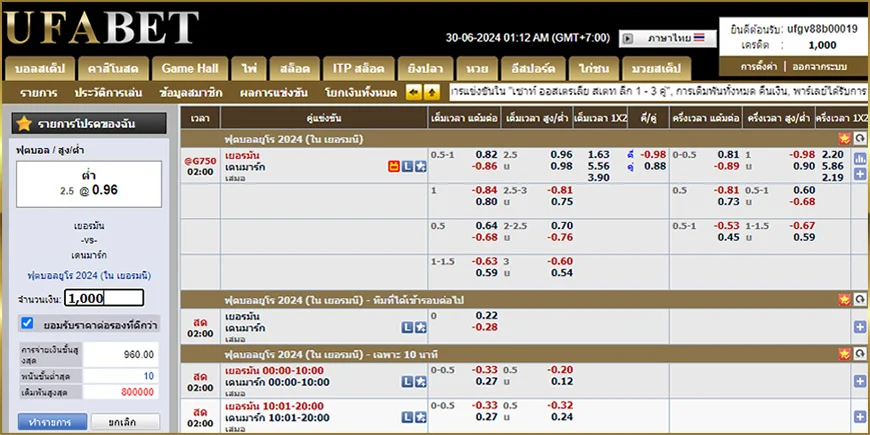







The digital landscape continues to evolve at a rapid pace, bringing significant changes to how platforms manage online engagement, user experiences, and data analytics. In recent developments surrounding digital entertainment ecosystems—specifically touching upon major platforms like Ufabet—analysts and industry observers are closely monitoring shifting trends in web traffic, service accessibility, and user interaction metrics. As digital platforms expand their reach, understanding the fundamental infrastructure, technological updates, and market positioning becomes essential for stakeholders navigating this dynamic environment.
Recent industry reports highlight a continuous transformation in how digital services optimize their offerings. With technological advancements enabling faster data processing and more secure connections, platforms are constantly updating their interfaces to meet user demands. These adjustments often involve comprehensive reviews of backend performance, security protocols, and interface design to ensure a seamless experience for visitors across various devices.
Analyzing Market Shifts and Performance Metrics 2.5
A focal point in recent digital evaluations involves performance benchmarks often referenced around version 2.5 updates. These technological iterations typically represent significant milestones in platform optimization, security enhancement, and structural refinement. Industry analysts note that updates of this scale are designed to address previous bottlenecks, improve load times, and streamline user navigation.
The integration of advanced analytical tools within modern digital frameworks allows operators to monitor system performance in real time. This capability ensures that any fluctuations in traffic or potential technical interruptions can be addressed swiftly, minimizing downtime and maintaining service continuity. Furthermore, enhancements in data encryption and privacy protocols remain a top priority, reflecting broader industry standards aimed at protecting user information and ensuring secure digital transactions.
Strategic Innovations and Platform Evolution
As the digital ecosystem grows increasingly competitive, platforms are placing greater emphasis on structural innovation and user-centric design. This involves a comprehensive re-evaluation of how content is delivered, organized, and accessed. Operators are increasingly utilizing sophisticated database management systems and cloud infrastructure to support higher volumes of concurrent users without compromising performance quality.
Moreover, the emphasis on responsive design ensures that platforms remain accessible across a wide array of hardware, from desktop computers to mobile devices. This cross-platform compatibility is no longer merely an added benefit but a fundamental requirement for modern digital services seeking to maintain engagement and broaden their audience reach. By continuously refining these core elements, platforms can adapt more effectively to changing technological standards and user expectations.
Industry Outlook and Future Considerations
Looking ahead, the trajectory of digital platforms will likely be shaped by continuous technological integration, regulatory compliance, and user feedback. As data privacy regulations become more stringent globally, platforms operating within the digital entertainment and sports analytics sectors must continually update their compliance frameworks to meet legal standards across different jurisdictions.
Industry experts suggest that the future of digital engagement will rely heavily on proactive technological maintenance, transparent communication with users, and sustainable platform growth. By focusing on these core areas, operators can build long-term trust while navigating the complexities of the modern digital marketplace. As these trends continue to unfold, stakeholders across the industry will remain attentive to how platforms adapt to emerging technological innovations and shifting market demands.